Hormuz closure forces Gulf exporters to reroute energy flows
Iran said it shut the strait after February attacks, pushing Gulf oil and gas exporters toward alternative routes.
Mateo Fernandez ·
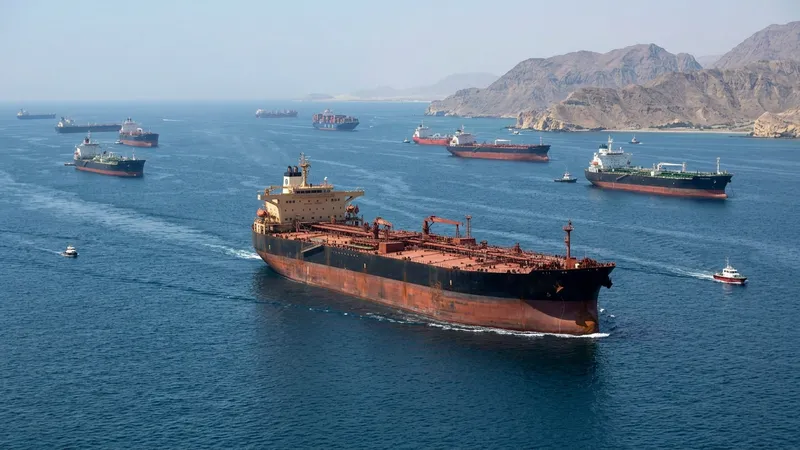
Iran said it unilaterally closed the Strait of Hormuz after attacks by the US and Israel on February 28, forcing Gulf energy exporters to reassess oil and gas routes. Reaction pending. The strait is the main maritime chokepoint for Gulf crude and liquefied natural gas shipments, so any sustained disruption would matter first for physical supply, then for freight, insurance and benchmark pricing.
Hormuz rerouting tests Gulf exports
Officials said Gulf countries are looking for alternatives to move petroleum and natural gas exports after Tehran framed the closure as retaliation. The immediate commercial question is how much supply can be redirected through pipelines, storage hubs and ports outside the strait, and how quickly shipping contracts can adjust.
For global commodities markets, the mechanism is direct: longer routes and higher insurance costs can raise delivered energy prices even before physical shortages emerge.
If the closure holds, refiners and LNG buyers would have to compete for cargoes with fewer routing options; if traffic resumes, the main cost may shift to risk premiums embedded in freight and insurance.
The company-level impact will fall first on producers, shippers and utilities with cargoes scheduled through Gulf ports. Exporters with access to non-Hormuz routes would have more flexibility, while companies dependent on spot shipping through the strait would face greater exposure to delays and contract penalties.
By October 1, 2026, traders will be watching early-month loading schedules, official maritime notices and any sign that Gulf exporters can keep cargo volumes moving without the strait.