Markets Look Past Iran, Follow Tech and Yields Higher
While headlines pointed to stalled Iran talks, traders focused on cooling inflation prints, a falling 10-year Treasury yield, and strong tech sector earnings…
Jurgen Goldmeier ·
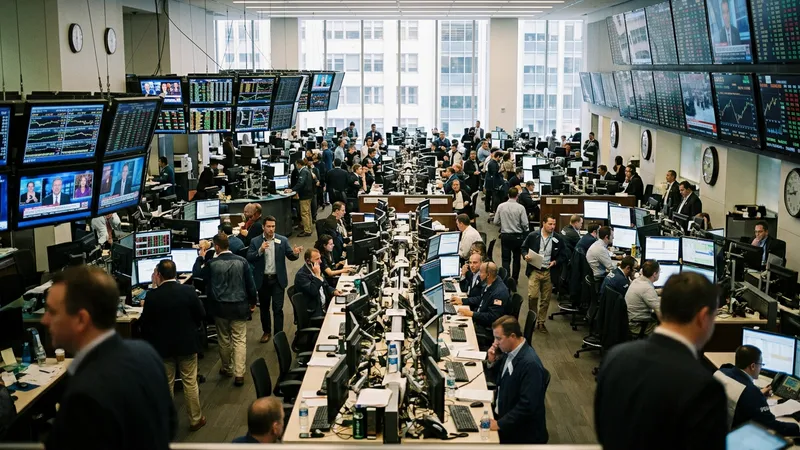
Markets Look Past Iran, Follow Tech and Yields Higher The S&P 500 closed at a record 5,433.74 as the 10-year Treasury yield fell toward 4.25%, with markets shrugging off geopolitical headlines from the Middle East. Traders instead priced in cooling inflation data and another strong earnings report from a key technology company, this time software giant Adobe, which saw its stock jump 14% after hours. ## Background The tape shows a market hitting new highs on the back of narrow leadership. Before this week's inflation prints, indices had been consolidating as traders weighed resilient economic data against a Federal Reserve holding rates steady. Market breadth, or the number of stocks participating in a rally, has been a persistent concern, with the S&P 500's performance driven by a handful of mega-cap names trading at high valuation multiples. The index's forward price-to-earnings (P/E) ratio, a measure of its cost relative to expected profits, stands above 21, well above its historical average. This week's softer Consumer Price Index and Producer Price Index reports broke the holding pattern, sending Treasury yields lower and providing support for growth stock valuations. This fundamental backdrop overshadowed geopolitical news. While the Trump administration reaffirmed that no sanctions relief for Iran is forthcoming, crude oil prices barely stirred, suggesting energy traders do not see an imminent threat to supply. The market is focused on domestic inputs, not foreign policy pronouncements. ## Why it matters The price action confirms the market's primary drivers: the path of inflation and the artificial intelligence theme. The subdued reaction in oil markets indicates that traders are on the wrong side of the tape if they are positioned for a major geopolitical risk repricing. The pain trade is a continued, narrow melt-up driven by falling yields and earnings beats from the technology sector. Companies like Broadcom, which surged over 12% on its results and a stock split announcement, and Adobe, which raised its guidance on AI product demand, are pulling the indices higher. This leaves portfolio managers who are underweight mega-cap tech struggling to keep pace. The concentrated nature of the rally means that capital is flowing into a smaller and smaller group of stocks. Anyone betting on a broad market rotation into value or cyclical sectors has been fighting the tape as the disinflation and AI narratives dominate positioning. ## What to watch The durability of this rally faces its next test with the release of the May Personal Consumption Expenditures (PCE) price index, the Federal Reserve's preferred inflation gauge. A print on June 28 that confirms the cooling trend seen in other recent data would reinforce the market's disinflation narrative, likely driving yields lower and fueling further gains in tech. A hotter-than-expected number would challenge that view, potentially reversing the recent drop in yields and putting immediate pressure on high-multiple growth stocks.