Iran Shuns Direct Negotiations With U.S. as Regional Tensions Escalate
Tehran has formally dismissed reports of direct negotiations with the United States, reiterating its stance on a ceasefire and sanctions relief.
Amira Hassan ·
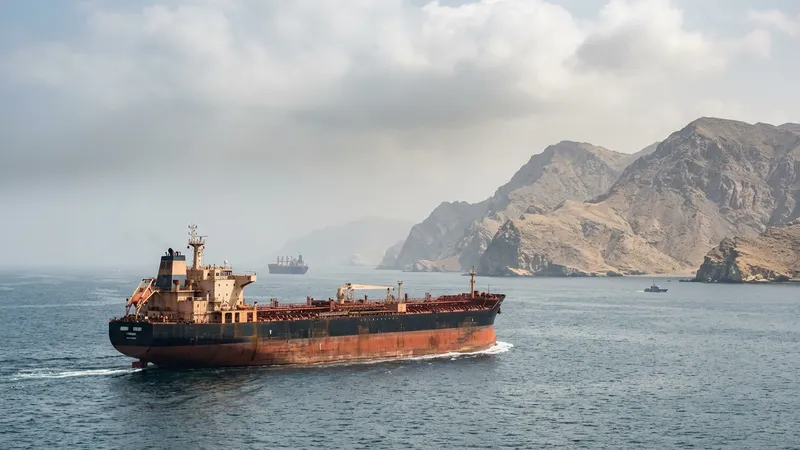
Iranian officials have explicitly denied any intentions for direct negotiations with the United States. This rejection counters recent claims from the U.S. administration concerning a potential resumption of talks between the two nations.
Tehran asserts that its diplomatic position, which includes seven specific conditions for both a ceasefire and the reopening of the vital Strait of Hormuz, has been conveyed solely through Qatari intermediaries. This approach underscores a persistent diplomatic impasse.
Tehran's Conditions and Regional Context
The core of Iran’s demands revolves around several key points: a comprehensive regional ceasefire, the complete lifting of existing oil sanctions, and the unfreezing of its foreign assets. These conditions are presented against the backdrop of an ongoing naval blockade and military strikes that commenced in February.
These actions continue to pose a significant threat to the stability of global energy transit routes, particularly through the Strait of Hormuz, a critical chokepoint for international shipping.
U.S. Domestic Policy Actions
Separately, the U.S. administration is proceeding with efforts to ease fuel economy standards for domestic car manufacturers. This policy adjustment is reportedly aimed at delivering potential cost savings for consumers.
In another domestic development, the U.S. administration has limited access to the White House for certain media organizations, citing executive privilege as the basis for these restrictions. These internal policy shifts occur concurrently with ongoing trade discussions with China and internal political disagreements within the Republican Party regarding primary endorsements.