Irish Fuel Tax Cuts Exceed €500M Amid Protests
Ireland fuel tax cuts exceed €500m after protests; new 10c-per-liter excise cuts start April 12 and carbon tax rise shifts to November.
Cuneyd Erdogan ·
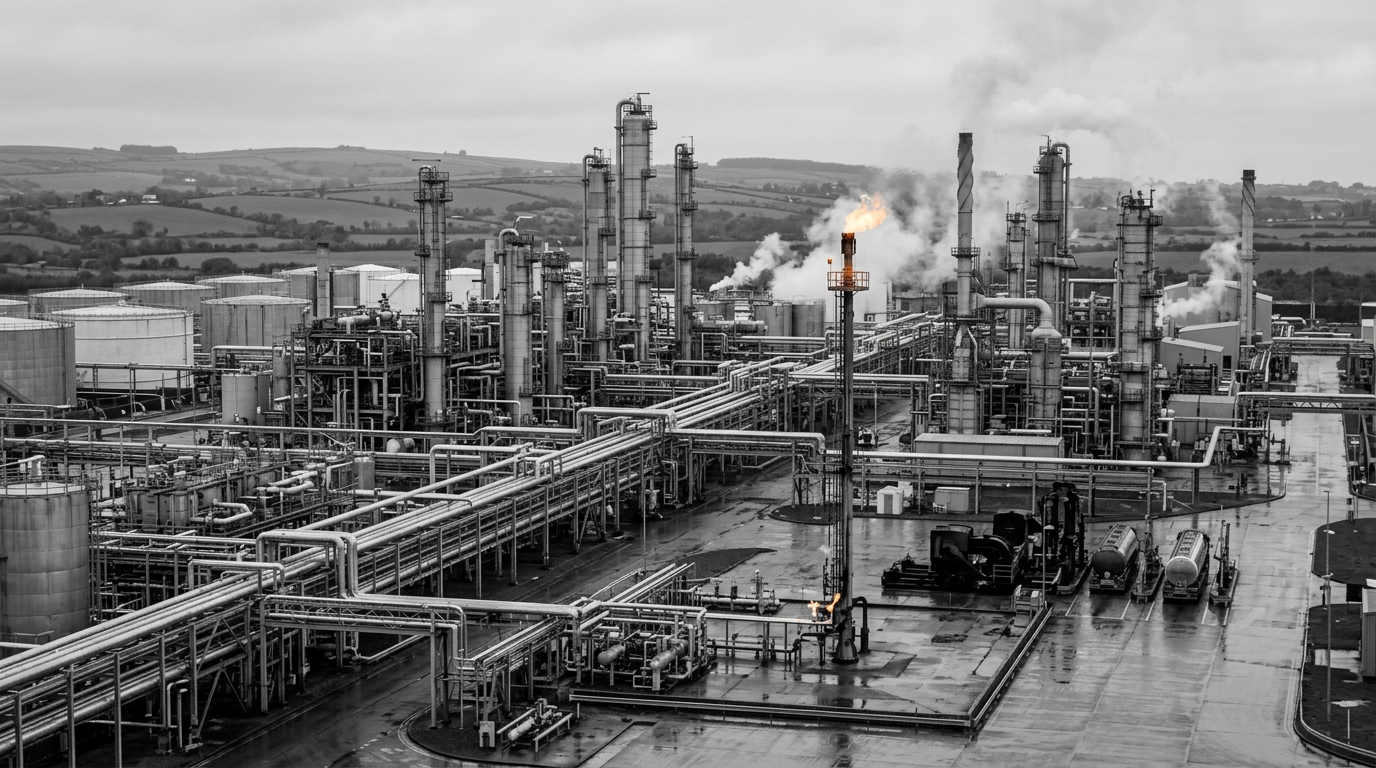
Ireland’s government announced more than 500 million euros in motor fuel tax reductions on Sunday, April 10, as it sought to ease nationwide protests that had interrupted major ports and roads. Prime Minister Micheál Martin confirmed the package after police removed protest blockades in Galway, Foynes, and Dublin that had been in place since Tuesday.
The measures add a further excise reduction of 10 cents per liter on both gasoline and diesel, with the change set to take effect at midnight on Tuesday, April 12. Officials said these new cuts build on earlier reductions introduced last month: 15 cents per liter on gasoline and 20 cents per liter on diesel. The government also extended all of the reductions through the end of July.
Alongside the excise changes, the government postponed a planned carbon tax increase that had been scheduled for May 1, moving it to November. The announcement came as authorities assessed the broader impact of the protests and the risk of continued disruption to daily life and economic activity.
The National Emergency Coordination Group, which advises the government, warned that significant disruption to the economy and public services could continue this week, including effects on healthcare. The advisory note underscored that the situation remained fluid even after police action to clear key blockades.
Implementing the tax package requires emergency legislation, which is due to be taken up on Tuesday. That timing coincides with a no-confidence motion tabled by the opposition Sinn Féin party, focused on the government’s handling of fuel taxes and the protests. The legislative and political calendar places the fuel-tax response at the center of a high-stakes parliamentary week.
For markets and businesses, the immediate focus is on how quickly the excise changes are applied and whether transport and logistics operations normalize after the blockades. The government’s own advisory group has indicated that disruption may persist in the near term, leaving uncertainty around the pace of recovery in affected routes and services.
Internationally, the episode highlights how fuel costs and climate-related tax policy can become flashpoints with direct consequences for trade flows and public services. The next key milestones are Tuesday’s emergency legislation and the no-confidence motion, as well as the revised timeline for the carbon tax increase now set for November.