

Strait of Hormuz seizure escalates Mideast tensions
Middle East tensions rose April 19–20, 2026 after a U.S. Navy seizure in Hormuz and renewed accusations of ceasefire violations.
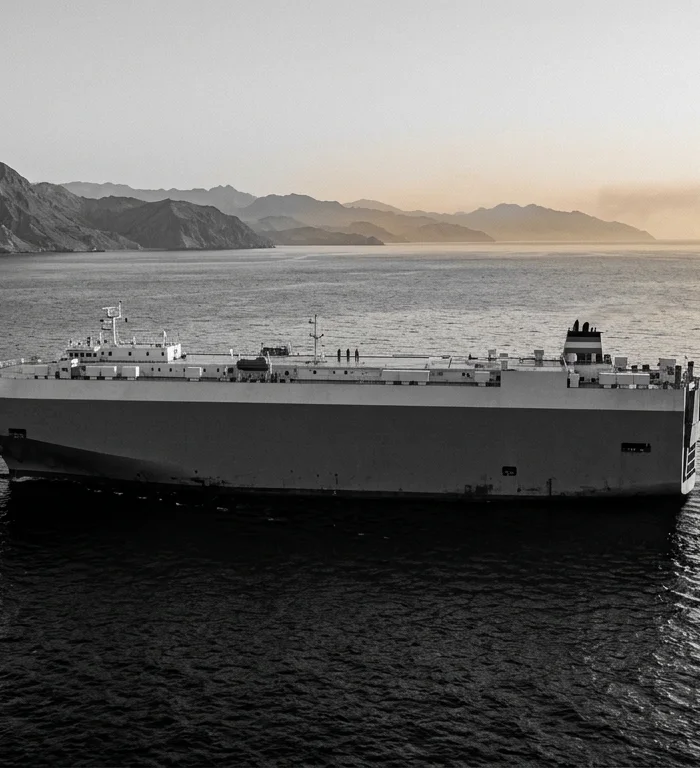
Middle East tensions intensified on April 19-20, 2026, after a U.S. Navy operation in the Strait of Hormuz and renewed claims that a ceasefire is being breached by multiple parties. Officials described a fast-moving security situation that combined maritime confrontation, expanded military signaling, and fresh incidents tied to the Israel-Lebanon front.
Iran accused the United States of violating the ceasefire after the U.S. Navy intercepted and seized an Iranian vessel, TOUSKA, as it reportedly tried to transit the Strait of Hormuz. Iranian officials said the seizure amounted to a breach and stated Iran would retaliate. The Strait of Hormuz is a critical maritime corridor for global energy flows, and developments there are closely watched by governments and markets.
At the same time, the USS Gerald R. Ford aircraft carrier returned to the Middle East after a short deployment in the Mediterranean, indicating a strengthened U.S. military posture in the region. Officials framed the movement as part of a reinforced presence as tensions rose. The carrier’s return came amid the competing accusations over compliance with the ceasefire that began on April 8.
On the Israel-Lebanon front, the Israel Defense Forces confirmed an incident in which a soldier was recorded smashing a Jesus statue in southern Lebanon. The IDF said the act did not align with its values. The confirmation came as the IDF established a new position in Ait a Shaab, described as a former Hezbollah stronghold in southern Lebanon.
Separately, the IDF said Hezbollah attacked UNIFIL soldiers during the ceasefire. French President Emmanuel Macron held Hezbollah responsible for that incident, stating that one French UNIFIL soldier was killed and three others were injured. The episode added pressure on the ceasefire framework and raised the stakes for international stakeholders with personnel on the ground.
S. aimed at regime change in Iran. Officials said the conflict included the death of Ayatollah Ali Khamenei in an Israeli strike, followed by Iranian retaliation across the Middle East. S. soldiers killed, with over 7,693 injuries reported in ballistic missile attacks across Israel.
More stories
- Bardella denies antisemitism claims over teenage messages
- Washington targets China in new tariff push on trade ties
- Eisenkot secures first coalition deal but lacks majority
- Germans oppose Ukraine aid as poll shows support slipping
- Kim Jong-un receives 10 envoys after constitutional shift
- Ukraine claims Libya strike sinks Russian naval corvette
- While the World Watches Iran, North Korea Quietly Speeds Up Its Nuclear Build
- Starmer Faces Critical Week as Mandelson Vetting Row Intensifies
Latest news
- Retailers rethink Black Friday as discount fatigue grows
- Japan data centers face lawsuits over residential sites
- S&P puts Nvidia credit rating on watch over board concerns
- Musk pledges two SpaceX shares per child in new US giveaway
- Morocco targets 2030 World Cup final with new stadium bid
- Barclays puts AI bust risk at center of US growth debate
- US inflation reaches 3.8% before December Fed rate meeting
- Türkiye Desk: GTA 6 drains UK mobile spend as Turkish studios feel pressure