

Lebanon digital reforms face scrutiny at 2-day Beirut forum
SMEX reports that Oct. 6–7 discussions highlighted weak data-protection enforcement, cybersecurity gaps, and oversight issues in state digital plans.
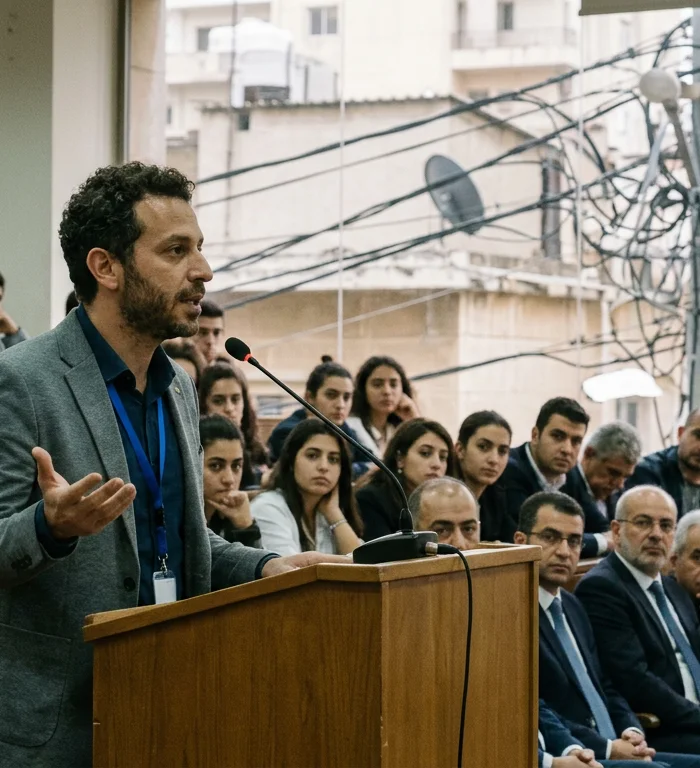
Lebanon’s Internet Governance Forum examined digital recovery over two days in Beirut on Oct. 6-7, with SMEX’s Oct. 30 news article saying weak legal enforcement and infrastructure gaps dominated the agenda.
Lebanon is discussing artificial-intelligence governance, meaning rules for AI use and oversight, eight years after Law No. 81/2018 on Electronic Transactions and Personal Data; lawyer Jean Akel said weak enforcement and public-sector exemptions have blunted it.
The forum, hosted at Lebanese University’s central administration headquarters in Beirut, included a series of sessions and three workshops, according to SMEX. Participants included members of parliament, academics, journalists, technology professionals, civil society representatives and students.
Digital recovery refers to rebuilding connectivity, online public services and trust in digital systems. The agenda was broader than a single technical debate: SMEX listed sessions on digital access, infrastructure resilience, data and AI governance, cybersecurity, hate speech and disinformation during crises, alongside the three workshops.
Brigadier General Jamal Qashmar, representing the Director General of General Security, tied digital recovery to security and trust. “There can be no digital transformation without security, and no sustainable digital security without resilience,” he said, according to the SMEX article.
Civil society speakers pressed for broader participation in policymaking. Abed Kataya, SMEX’s media program manager, called for mandatory public consultations with civil society and other stakeholders before digital laws or policies are adopted, the article said.
Other participants pointed to practical barriers. Marianne Bitar of Bridge Outsource Transform cited the high cost of equipment and reduced training opportunities, while Dr. Ursula El Hage of Saint Joseph University said joint laboratories between universities and the private sector were needed.
The forum also raised unresolved cybersecurity questions. SMEX said Lieutenant Colonel Mahmoud Othman, representing the National Cybersecurity Team, presented plans and proposals for a cybersecurity agency, while questions remained over digital sovereignty, service-related breaches and repeated government data leaks.
Source: news article, Social Media Exchange, Oct. 30, 2026
More stories
- Germans oppose Ukraine aid as poll shows support slipping
- Kim Jong-un receives 10 envoys after constitutional shift
- Ukraine claims Libya strike sinks Russian naval corvette
- COP31 climate talks collapse over fossil fuels and funds
- Russian military faces 1,087 recorded suicides in Ukraine war
- US faces China, Russia in Africa minerals contest
- Singapore caps private-hire car loans at 60% to 70%
- Japan faces ASEAN doctrine test after Fukuda dies at 90
- China sanctions two ministers over Taiwan ties
- Robert Pether returns after 5-year Iraq detention
Latest news
- Trump prepares tariffs on China and other major exporters
- New-car buyers pay record average $50,087 in October
- Banks face ECB reserve debate over liquidity and profits
- Investors see Anthropic debut gains fade below $83 a share
- Iraq orders federal control over Kurdish-area oilfields
- Nvidia shares retreat as AI rally cools before PCE data
- Macy’s parade faces balloon limits as storm winds approach