Labour recasts Israel policy after Gaza election losses
Britain's Israel policy came under fresh scrutiny after Wes Streeting said Israel fell short of international standards on Gaza and the West Bank.
Atlas Newsdesk ·
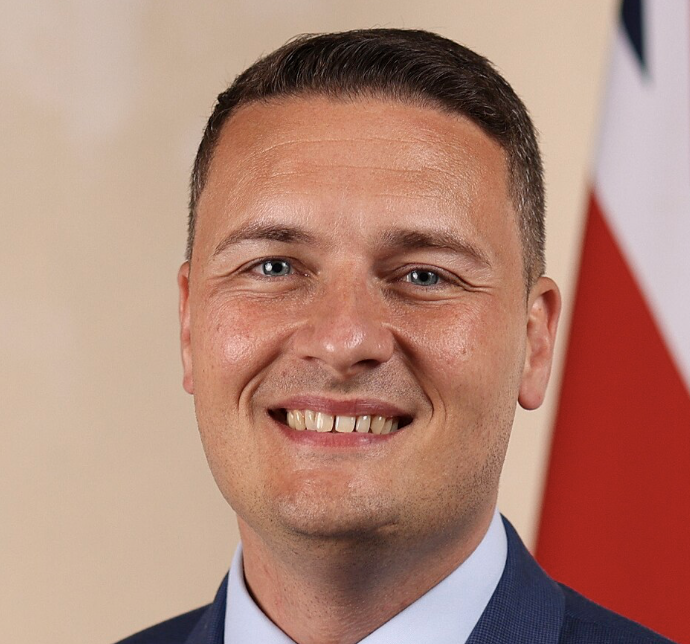
Britain's Israel policy came under fresh scrutiny after Wes Streeting criticized Israel's conduct in Gaza and the West Bank.
The new Defense Secretary spoke at the Farnborough Airshow on Wednesday, saying Israel had "fallen short" of international standards. His comments put an early foreign policy test before Prime Minister Andy Burnham, who took office this week and is trying to reset Labour's position on the conflict.
Streeting limits his remit
Streeting did not announce a change to arms, trade or diplomatic policy. He told reporters that weapons procurement, commercial ties and relations with Israel are handled through formal government processes, not by one minister acting alone.
He also repeated his objections to Israel's actions beyond Gaza. "I've expressed very clearly my concerns about Israel's actions in Gaza and the West Bank," Streeting said, according to the remarks provided.
Burnham apologizes for Labour
Burnham has moved quickly to distance his leadership from Labour's earlier handling of the war. In a social media video earlier this month, he said the party had failed to meet public expectations at the start of Israel's military campaign.
"We must be clear in our criticism of what has happened in Gaza: I know many people feel that at the start of Israel's military action in Gaza, my party didn't get it right and I am sorry about that," Burnham said. He added that "The response has too often not been good enough, we need to do better."
The shift follows political pressure on Labour from voters angered by the humanitarian crisis in British-recognized Palestine. The issue damaged former Prime Minister Keir Starmer on the left, where the Green Party and independent pro-Gaza candidates gained support in the 2024 general election and May's local elections.
Election losses shape policy room
For Burnham, the political problem is clear: sharper language may reassure disaffected voters, but policy changes require legal and diplomatic machinery. Streeting's remarks suggest the new government wants to show a tougher tone while avoiding a rushed decision on arms or trade.
The most direct sector exposure sits with defense procurement and trade compliance. No specific company is identified in the source material, so the immediate effect is on licensing, ministerial review and supplier risk rather than on a named contractor.
Burnham pointed to possible additional sanctions linked to Gaza and trade with illegal settlements. If those measures are pursued, they would likely affect the rules governing certain transactions before they alter the broader UK economy.
The global channel is diplomatic rather than macroeconomic. A stricter UK stance could add pressure on Israel and signal a wider European hardening, while a limited procedural review would keep the economic effect muted and concentrate the impact inside government approval systems.
If Burnham follows criticism with sanctions or settlement trade restrictions, Labour may reduce pressure from pro-Gaza voters; defense and export-facing firms would face tighter compliance checks. If the process produces little policy change, Streeting keeps procurement flexibility, but the party risks reopening the same electoral weakness that hurt Starmer.
The main uncertainty is whether the new tone becomes enforceable policy. The next signals are cabinet decisions on sanctions, any review of weapons-related approvals and whether Burnham can hold together voters who want tougher action without creating a wider diplomatic rupture.