US-Iran conflict tests Gulf oil routes at Bab el-Mandeb
US-Iran conflict is straining Gulf states as Red Sea threats, Kuwait strikes and oil-market risks deepen regional pressure.
Lauren Collins ·
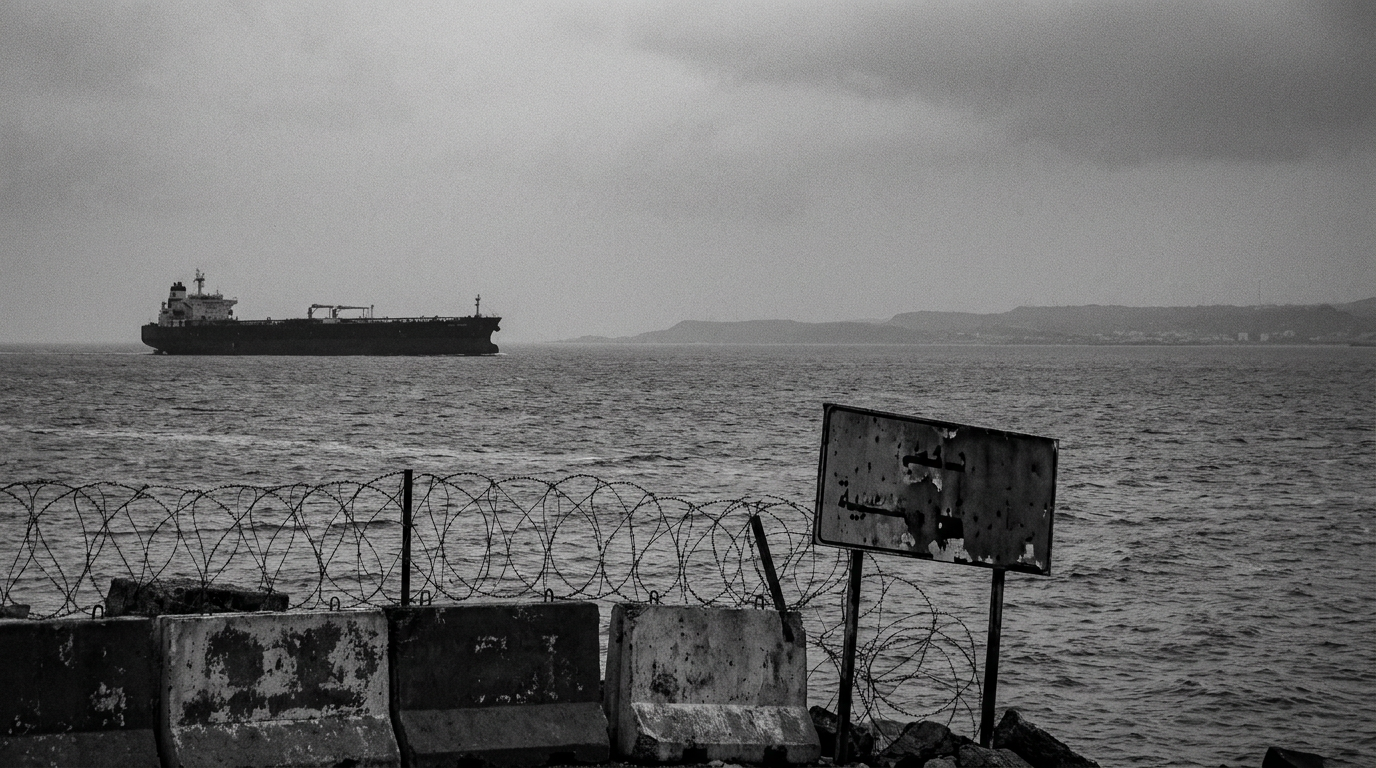
US-Iran conflict is straining Gulf states as Red Sea threats and reported strikes on Kuwaiti infrastructure sharpen energy-market risks.
Gulf governments are caught between two military pressures they cannot easily control: Iranian attacks across the region and a new maritime threat from Yemen’s Houthi fighters. Ali Vaez, director of the Iran Project at the International Crisis Group, said Gulf nations “are frustrated, but powerless in stopping either of the belligerents,” capturing the central weakness facing US partners in the region.
Bab el-Mandeb pressure builds
The immediate concern is the Bab el-Mandeb waterway, where Houthi fighters have begun a maritime blockade of the strait, according to the source account. At least six ships turned back on Tuesday after the threats, a concrete sign that warnings are already changing commercial behavior.
For Saudi Arabia, the pressure point is its west coast and the Red Sea route used for oil exports. A conflict that began around the US and Iran now risks pulling in another channel for Gulf energy flows, adding to the vulnerability of producers that depend on open sea lanes.
Kuwait strikes widen exposure
Reported Iranian attacks this week have already hit Kuwait’s power and water infrastructure, according to the account. Those targets matter because they sit outside the oil market itself but still support the basic functioning of Gulf economies.
The frustration among Gulf states is sharpened by uncertainty over Washington’s next step. US President Donald Trump has suggested the war could last for some time, while reported options under review range from heavier air attacks to a ground operation against Iranian islands near the Strait of Hormuz.
That possibility creates a two-front risk for Gulf capitals. The Red Sea is under threat from Houthi action, while Hormuz remains tied to any escalation involving Iran and nearby islands.
$120 oil risk returns
Goldman Sachs said continued fighting could push oil prices to $120 a barrel by year-end, particularly if attacks expand to shipping in the Red Sea. The figure gives markets a benchmark for the kind of price shock that could follow a wider maritime disruption.
The inflation channel is direct. If ships reroute or cargoes are delayed, energy and commodity transport becomes more expensive, and economists cited in the source have warned that severe disruption to the trade route could feed into broader price pressures.
The sector impact would not stop with crude producers. Tanker operators, insurers, commodity traders and refiners would all face higher uncertainty if the Red Sea becomes a sustained security problem rather than a temporary warning zone.
If the Houthi blockade remains limited to threats and short-term diversions, the global macro effect would likely center on risk premiums rather than physical shortages. Saudi Arabia would still face pressure on its Red Sea export route, and the shipping sector would keep adjusting routes and insurance assumptions until vessels move freely again.
If attacks spread to commercial shipping, the mechanism changes from fear to disruption. Oil prices could move closer to the Goldman Sachs stress case, Saudi export flexibility would be tested, and the energy-shipping complex would face higher costs across freight, cover and delivery schedules.
If Washington expands the campaign against Iran, Gulf states could face a broader regional conflict that links the Red Sea with the Strait of Hormuz. The open questions are whether ships keep avoiding Bab el-Mandeb, whether Kuwait’s infrastructure faces further strikes, and whether US decisions turn a contained war into a wider energy-market shock.