Jordanian Air Defenses Engage Iranian Missile Threat
Jordanian forces intercepted five Iranian missiles, while the U.S. military conducted retaliatory strikes against nearly 20 Iranian targets following escal…
Omar Farouk ·
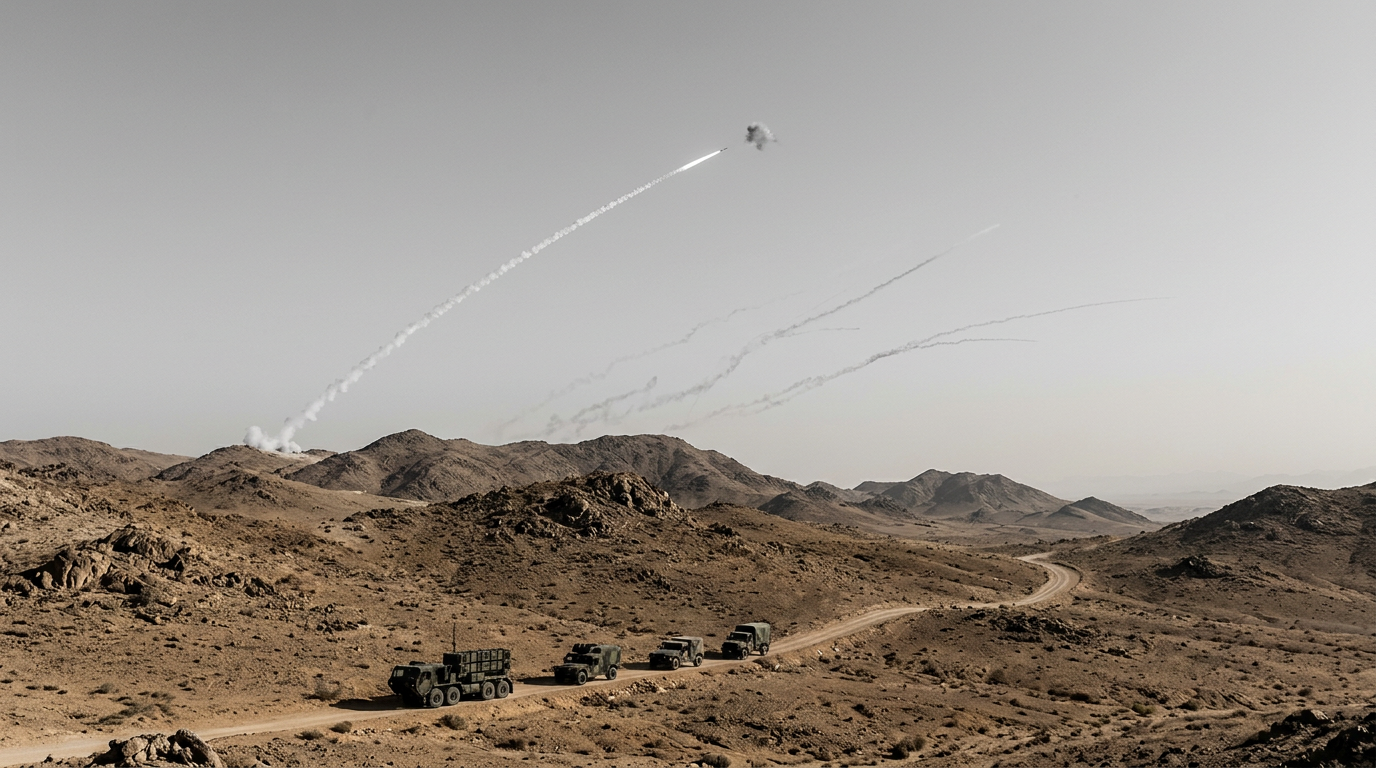
Jordanian air defenses successfully intercepted five ballistic missiles launched by Iran, according to official statements from Amman. The missiles were reportedly targeting the Muwaffaq Salti Air Base, a facility known to host American F-35 fighter jets and other critical aircraft. Initial assessments indicate no injuries resulted from the incident, with explosives experts examining the recovered debris.
This interception occurred amidst broader regional instability, coinciding with drone attacks initiated by Iran earlier the same day against U.S. military installations in Bahrain and Kuwait. Both Gulf nations activated air defense systems and issued alerts in response to these aerial threats. The simultaneous nature of these events signals a significant escalation in ongoing tensions across the Middle East.
US Retaliatory Strikes
The United States military launched retaliatory strikes against nearly 20 Iranian targets following the downing of an American helicopter and these recent provocations. U.S. Central Command confirmed that these operations targeted Iranian air defenses, radar sites, and ground control stations. The precision strikes aim to degrade Iran's military capabilities and deter further aggression in the region.
This military action by the U.S. underscores its commitment to protecting its assets and personnel in the Middle East. The strikes represent a direct response to what U.S. officials describe as escalating Iranian-backed threats to regional stability. The immediate aftermath of these strikes saw varied reactions from international observers, with calls for de-escalation dominating diplomatic discourse.
Regional Security Implications
The recent exchange of hostilities between Iran, its proxies, and U.S.-allied forces has heightened concerns over a potential wider conflict. Jordan's successful interception highlights the advanced capabilities required to defend against modern missile threats. The involvement of facilities hosting U.S. personnel and equipment further complicates the geopolitical landscape.
The international community is closely monitoring the situation as nations assess the long-term implications for regional security. These incidents could affect oil prices, shipping lanes, and diplomatic efforts to address stability in the Middle East. Ensuring maritime security and freedom of navigation remains a primary concern for global powers invested in the region.