Jerusalem book revisits how names shape holiness across faiths
Explore how the words used for Jerusalem across Jewish, Christian, and Islamic traditions shape the city’s sacred identity beyond politics.
Omar Farouk ·
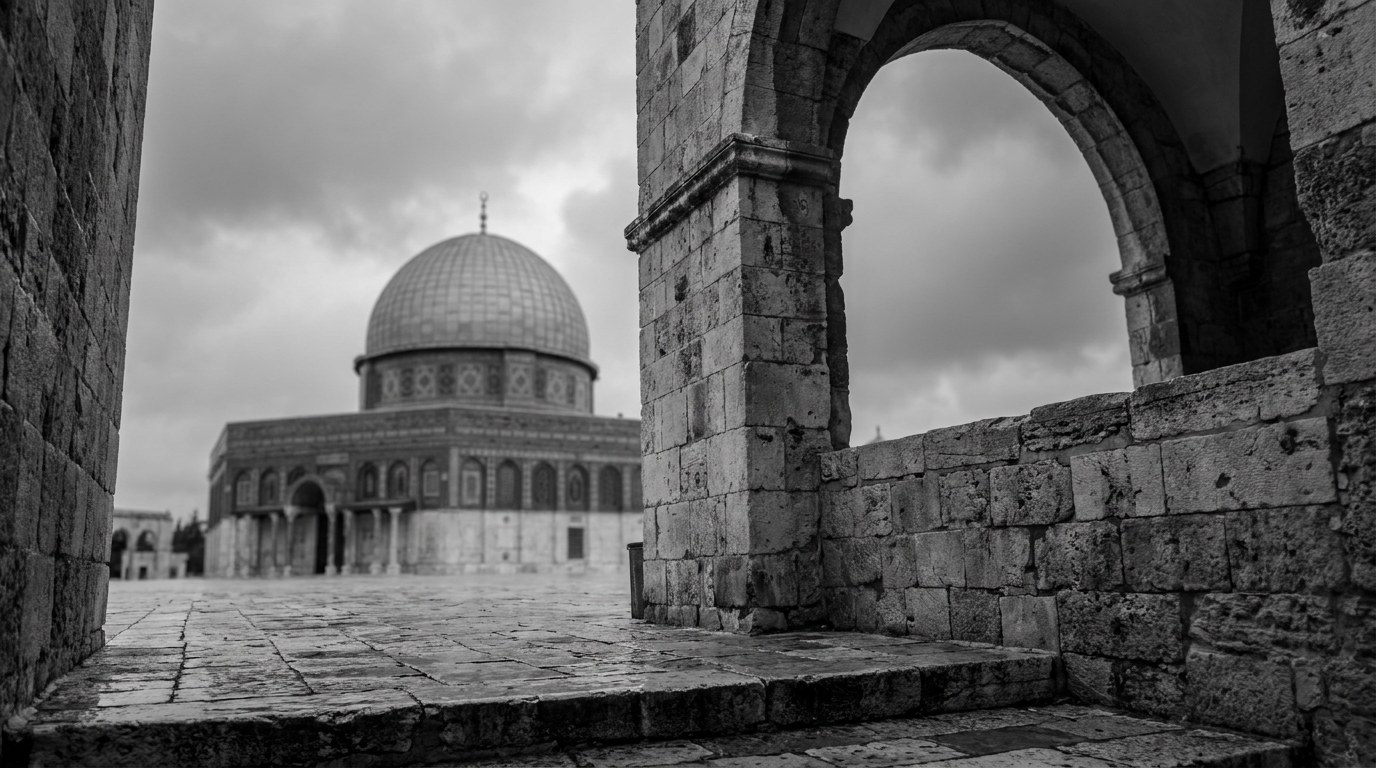
# Jerusalem book revisits how names shape holiness across faiths
A newly published review of a book on Jerusalem frames the city’s contested meaning through a different battleground: language. The review highlights how Jewish, Christian, and Islamic traditions have used names for Jerusalem to define holiness, belonging, and memory, even when communities shared geography but not narratives.
For Judaism
Jerusalem sits at the intersection of religion, empire, and modern nationalism, which is why even seemingly academic debates about terminology can carry political weight. For Judaism, Christianity, and Islam, the city is not only a location but also an idea built up through scripture, liturgy, and communal storytelling.
In regional discourse, names for places and holy sites frequently function as identity markers, especially in protracted conflicts where sovereignty and legitimacy are disputed. The review’s core contention is that the vocabulary attached to Jerusalem has helped shape how communities imagine the city’s past and stake claims to its meaning in the present.
The review’s focus on nomenclature underscores a recurring Middle East reality: symbolic language often travels faster than diplomacy. In Jerusalem, terminology can influence how communities interpret access, custodianship, and historic connection, which in turn can harden public attitudes even when no policy changes are underway.
For outside actors
For outside actors, this also has spillover effects. Jerusalem-related narratives can quickly reverberate across the region, shaping public opinion and amplifying tensions that touch alliances and cross-border politics, even when the immediate trigger is cultural rather than military.
There is no specific, falsifiable political or security development tied to the book review itself. The most observable next step is whether the book’s argument is picked up by major religious institutions, educational curricula, or public diplomacy channels, and whether it enters mainstream debate around sacred-site language.