

Diplomatic Stagnation Persists Following Japan-China APEC Friction
Japan and China failed to hold bilateral talks at the APEC summit, reflecting a deepening diplomatic freeze driven by conflicting stances on Taiwan and…
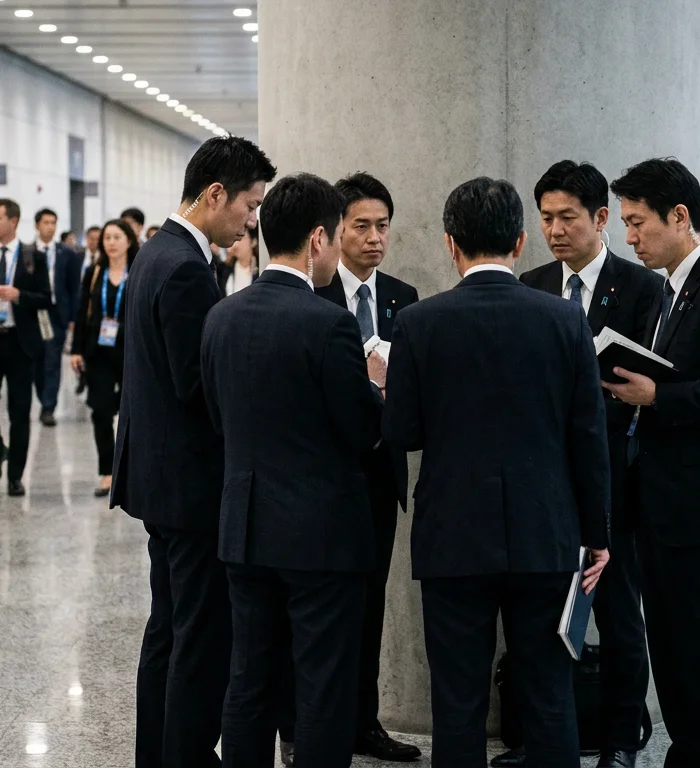
The recent APEC summit in Shenzhen concluded without a formal bilateral meeting between Japanese Prime Minister Takaichi Sanae and Chinese President Xi Jinping, signaling a continued deterioration in diplomatic relations. Despite two brief handshakes, the lack of substantive engagement underscores the deep-seated friction between the two nations. Observers noted that the reception afforded to the Japanese delegation was markedly lower in protocol than that provided to other visiting heads of state, suggesting a deliberate effort by Beijing to signal political dissatisfaction.
This diplomatic cooling is primarily driven by Japan’s evolving stance on regional security, specifically regarding Taiwan. Prime Minister Takaichi has previously characterized a potential Chinese military intervention in Taiwan as a "survival-threatening situation" for Japan, a legal designation that could authorize the use of Japanese military force. Beijing views these remarks as a direct challenge to its sovereignty and a violation of the established bilateral framework, leading to a sustained freeze in high-level communications.
Prime Minister Takaichi’s conservative base
Domestic political constraints further complicate a potential thaw. Prime Minister Takaichi’s conservative base, which includes support for visits to the Yasukuni Shrine and a firm stance on historical wartime issues, limits her capacity to offer concessions that might appease Beijing. Conversely, the Chinese leadership faces pressure to maintain a hardline stance on Taiwan to avoid appearing weak to domestic nationalist audiences.
Historical precedents suggest that maintaining open channels during periods of intense disagreement is essential for regional stability. However, the current absence of back-channel diplomacy or intermediary efforts—contrasting with previous administrations—suggests that both Tokyo and Beijing are currently prioritizing domestic political optics over bilateral reconciliation. The lack of progress in Shenzhen indicates that the relationship will likely remain in a state of managed hostility, with both sides waiting for a strategic turning point that currently appears distant.
More stories
- Germans oppose Ukraine aid as poll shows support slipping
- Kim Jong-un receives 10 envoys after constitutional shift
- Ukraine claims Libya strike sinks Russian naval corvette
- COP31 climate talks collapse over fossil fuels and funds
- Russian military faces 1,087 recorded suicides in Ukraine war
- US faces China, Russia in Africa minerals contest
- Japan pursues Quad talks alongside outreach to Xi Jinping
- UN Talks on AI-Powered Autonomous Weapons Face Opposition from Major Military Powers
Latest news
- Trump prepares tariffs on China and other major exporters
- New-car buyers pay record average $50,087 in October
- Banks face ECB reserve debate over liquidity and profits
- Investors see Anthropic debut gains fade below $83 a share
- Iraq orders federal control over Kurdish-area oilfields
- Nvidia shares retreat as AI rally cools before PCE data
- Macy’s parade faces balloon limits as storm winds approach