

UN Talks on AI-Powered Autonomous Weapons Face Opposition from Major Military Powers
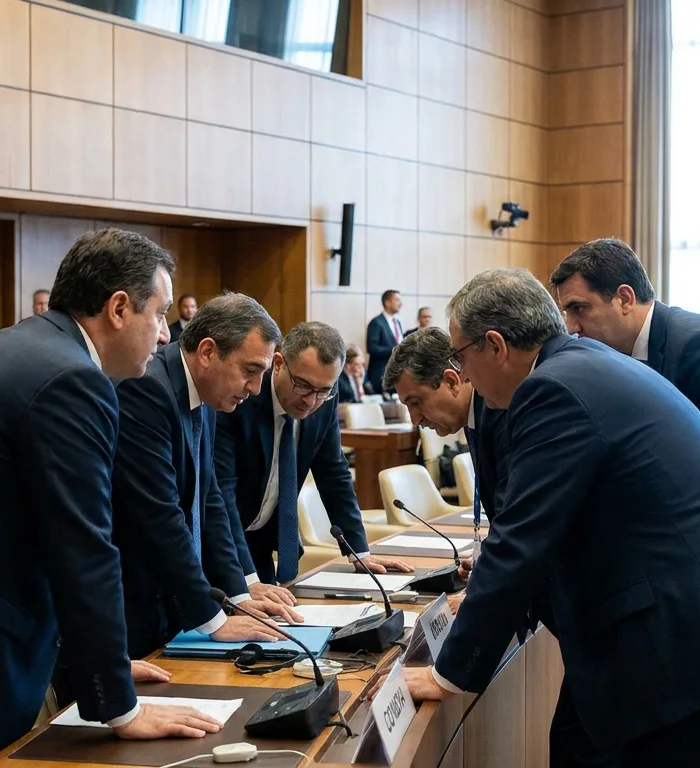
The US and Russia are expected to resist autonomous weapons treaty talks in Geneva, according to diplomats and rights groups.
The immediate decision is whether to open negotiations, not approve a finished treaty. Delegates at the UN-convened meeting are considering whether restrictions on weapons that operate without human intervention should become enforceable international commitments.
Geneva confronts a divided treaty membership
The meeting opened Monday under the Convention on Certain Conventional Weapons, which has 128 member states. Most support beginning negotiations on binding restrictions, but the US, Russia and Israel maintain that humanitarian law already covers these weapons.
UN Secretary-General Antonio Guterres used a recorded address to press governments to begin negotiating an enforceable agreement with explicit limits and bans. His intervention placed the UN leadership behind a treaty approach rather than voluntary guidance alone.
A procedural dispute complicated the opening session. Russia objected to a provision permitting observers, among them the EU and nongovernmental organizations, to speak; most delegations opposed its objection.
Two diplomats described the negotiations as difficult while leaving open the possibility of agreement before the week ends. One said the possibilities included a binding instrument, voluntary commitments or a combination; neither diplomat was identified, and no reason for anonymity was supplied.
Human control drives the weapons dispute
The debate concerns Lethal Autonomous Weapons Systems, known as LAWS, and the limits governments should place on military machinery capable of using lethal force without human involvement. It spans drones and ground vehicles as well as underwater systems, rather than a single weapon category.
Weapons using AI assistance and partial autonomy have already appeared in conflicts in Ukraine, Sudan and the Middle East. That does not establish that every such system independently selects and attacks targets: AI assistance and full autonomy are distinct capabilities.
Anna Hehir, who leads military AI governance at the US nonprofit Future of Life Institute, cited media accounts of initial deployments of fully autonomous weapons in Ukraine. Those accounts remain separate from independently established evidence about how particular weapons operated.
Campaigners warn that unpredictable behavior could produce lethal mistakes. Human Rights Watch representative Verity Coyle urged the conference to act against delegating battlefield life-and-death decisions to machines; the International Committee of the Red Cross and the pope have also expressed warnings.
Washington proposes a voluntary negotiating track
The US favors guidance rather than a new binding instrument and has proposed negotiations over five years toward a voluntary agreement. Its stated position is that existing international law supplies the framework needed to regulate warfare.
If delegates choose binding negotiations, the next task would be to define the prohibited capabilities and the restrictions governing permitted systems. That would move the dispute from whether new obligations are needed to what those obligations should require of governments and weapons developers.
If voluntary guidance prevails, the process would instead pursue standards without creating the new treaty commitments sought by supporters of binding rules. A mixed agreement remains another possibility, according to one diplomat; the unresolved issue is whether governments can agree this week on the legal form and scope of further talks.
More stories
- Russian airspace incident adds pressure to Japan relations
- Iran targets Bahrain radar as US strikes back near Hormuz
- Indian authorities search for 1 sailor after Oman tanker attack
- Atiku aide backs crude-contract review for petrol subsidy
- Sudan drone strikes killed more than 1,630 civilians, UN says
- Turkey Silences Its Last Opposition Voices on TV: Sozcu Seized in a Dawn Raid
- Bundeswehr faces misconduct gap as few as one-sixth reported
- Megaspeed’s 2024 affiliate filings widen Nvidia chip scrutiny