Israel-Lebanon ceasefire draws backlash in Beirut, Israel
The Israel-Lebanon ceasefire faces immediate political resistance in both nations, complicating plans to expand army control and disarm militias.
Lauren Collins ·
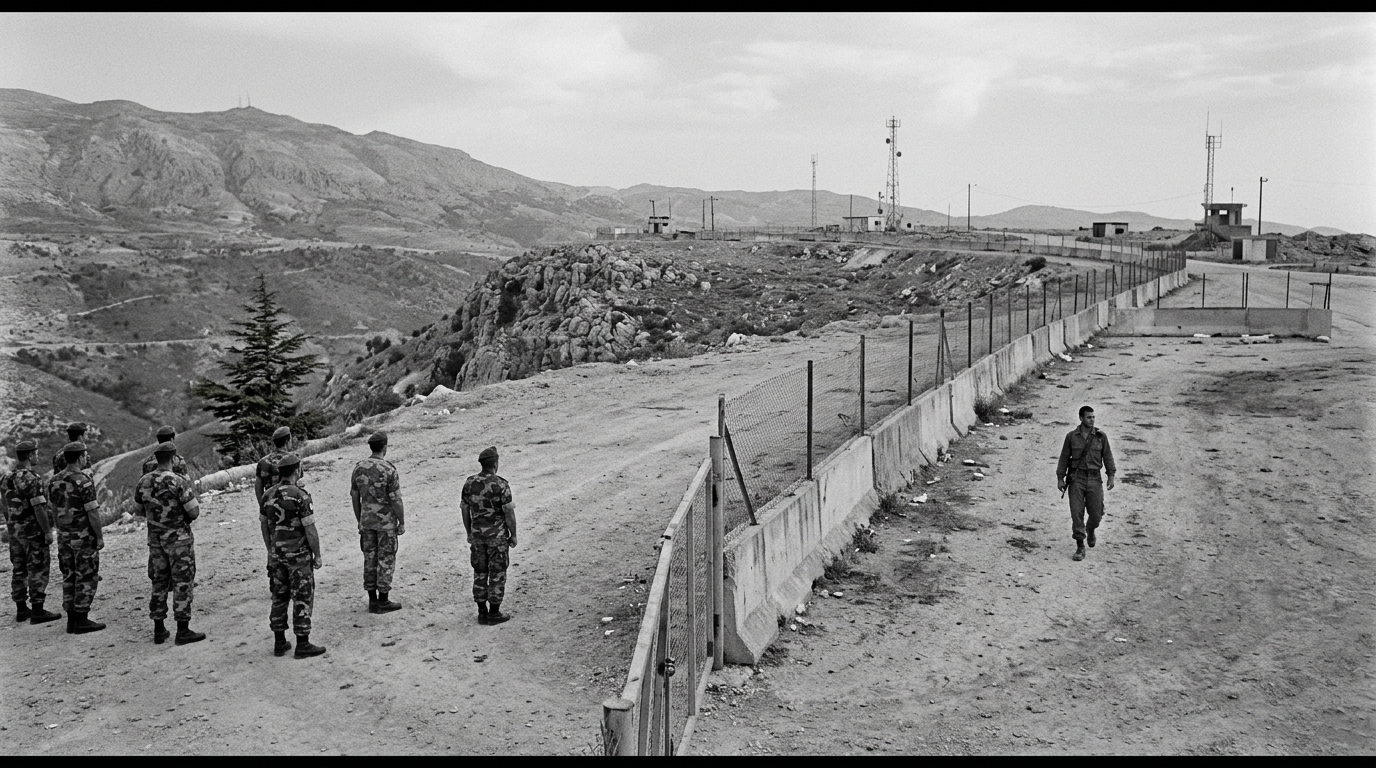
The Israel-Lebanon ceasefire signed Friday is facing early resistance from political leaders and street protesters, raising doubts about how quickly it can be implemented.
The agreement envisions the Lebanese army progressively extending control across Lebanese territory while non-state armed groups, including Hezbollah, are dismantled. But criticism from both sides has emerged within days, suggesting the truce could remain fragile even if fighting subsides.
Opposition surfaces on both sides of the border
In Lebanon, Parliament Speaker Nabih Berri, a key Hezbollah ally, rejected the deal publicly and indicated it would not gain legislative approval. He described the arrangement as an imposed framework rather than a negotiated settlement.
Public dissent also appeared in Beirut, where demonstrators gathered in the capital carrying Hezbollah flags and denouncing the government. The protests signaled that disarmament provisions may provoke domestic backlash beyond parliamentary maneuvers.
In Israel, criticism came from the hard right, with one minister labeling the ceasefire a major error. That reaction highlights internal divisions over whether de-escalation and any accompanying security arrangements serve Israel’s interests.
Disarmament and state control are the key flashpoints
The core of the agreement is not simply a halt to hostilities, but a shift in security authority inside Lebanon. By calling for the Lebanese army to expand its reach and for armed factions to be dismantled, the deal touches a long-running debate about sovereignty and the role of Hezbollah.
Hezbollah has maintained significant military capability alongside Lebanon’s state institutions for decades, presenting itself as a resistance force while opponents argue it weakens national decision-making. Any attempt to reduce its arsenal has historically been politically explosive, and the current ceasefire places that issue at the center of implementation.
The parliamentary hurdle matters because Lebanon’s sectarian power-sharing system often requires elite buy-in for security and governance changes to stick. With the speaker of parliament signaling rejection, translating the ceasefire’s security provisions into enforceable steps may prove difficult.
Regional ripples threaten a broader US-Iran truce
The Israel-Lebanon fighting also risks destabilizing a wider de-escalation track involving the United States and Iran. Even if the ceasefire holds on paper, renewed border violence could quickly spill into broader regional friction.
That wider truce is already under strain inside Iran, according to Radio Free Europe, which reported that hard-line clerics—typically aligned with the Iranian government—have led demonstrations opposing the deal. Such protests suggest pushback from factions that may view compromise as costly or strategically unwise.
Together, the cross-border criticism and the Iranian backlash complicate the political environment needed to sustain calm. Ceasefires tend to require not only military restraint but also domestic coalitions willing to defend implementation when spoilers mobilize.
Next steps will hinge on whether Lebanon’s leadership can reconcile parliamentary opposition with requirements to expand army authority, and whether Israel’s government can maintain a unified position long enough for the truce to take hold. Observers will also watch whether protests in Beirut and Iran grow, as public pressure could narrow leaders’ room to maneuver.