White House floats Syria role vs Hezbollah, raising alarms
Trump Hezbollah plan proposals for Syria to confront Hezbollah are unsettling Lebanon and Israel as Damascus rejects the idea and regional tensions rise.
Lauren Collins ·
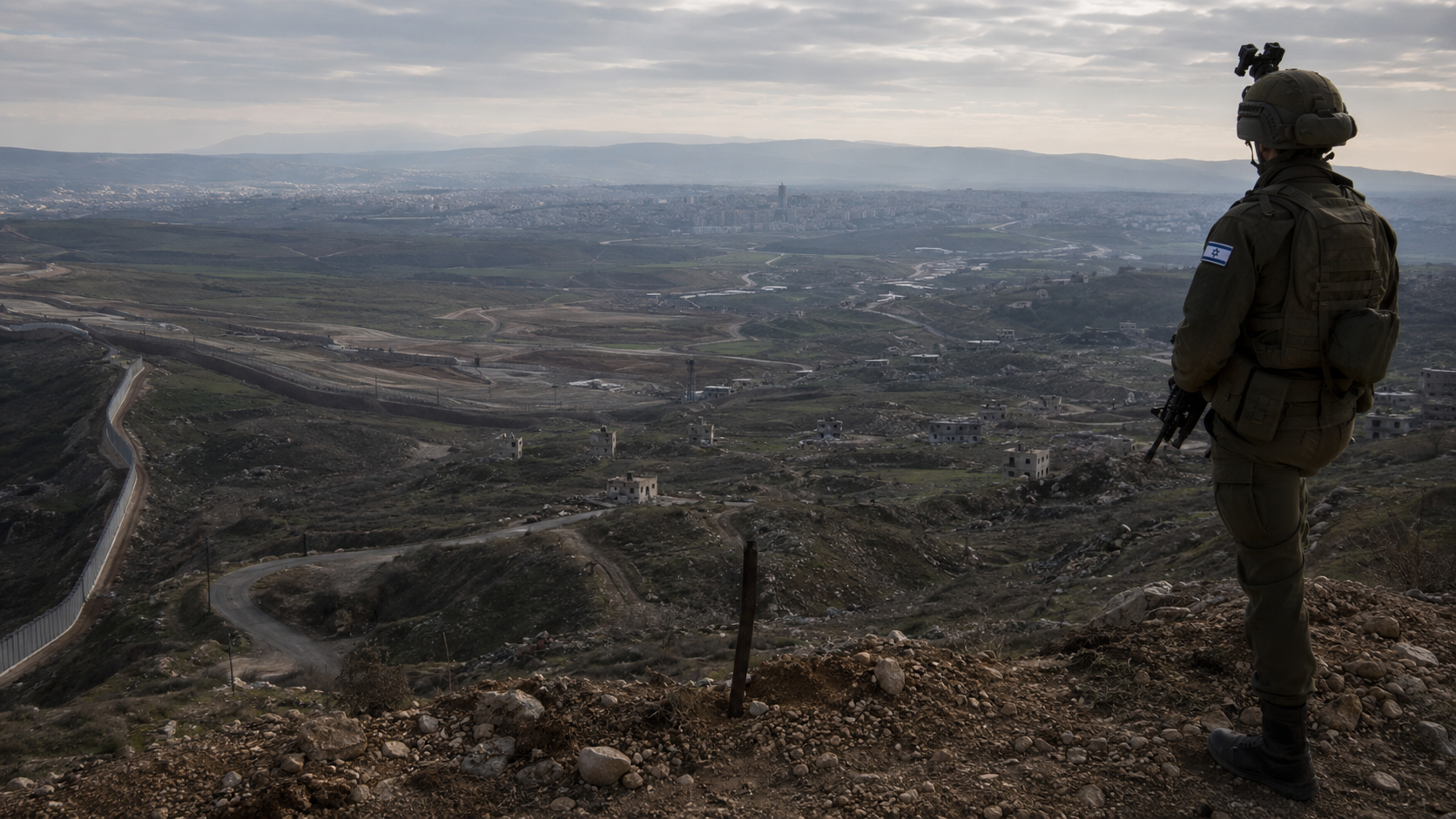
Trump Hezbollah plan proposals that Syria confront Hezbollah are triggering concern in Lebanon and Israel, even as Damascus says it wants no such fight.
U.S. President Donald Trump has promoted the idea as an alternative to Israel’s war with Hezbollah in Lebanon, a conflict the White House has increasingly viewed unfavorably, according to the report.
Trump’s comments have surprised many across the region because they would shift responsibility for pressuring the Iran-backed group onto Syria’s new leadership, rather than relying primarily on Israel’s military campaign.
Syria’s new government rebuffs the suggestion
Trump has argued that Syria’s current rulers—insurgents described as battle-hardened and led by Islamist factions—would be more effective at uprooting Hezbollah than the Israeli army.
Those insurgents overthrew longtime Syrian leader Bashar Assad about a year and a half ago and have since formed a new government. Syria is now led by President Ahmad al-Sharaa.
Al-Sharaa has publicly said he is not interested in fighting Hezbollah. He has also maintained that Trump’s remarks were misunderstood, though Trump has reiterated the concept.
It remains unclear how far the White House is prepared to take the proposal, but the discussion alone has introduced new anxiety into a region already strained by cross-border violence and shifting alliances.
Lebanon and Israel react amid growing uncertainty
In Lebanon, the idea of Syrian forces entering the country—or even preparing for such a move—has heightened alarm. Hezbollah is a powerful armed group and political actor, and Lebanon has repeatedly been a battleground for rival regional agendas.
Israeli officials have also viewed the prospect warily, in part because Israel has been suspicious of al-Sharaa’s Islamist-led government since it took power. That distrust has been reinforced by Israel’s control of a strip of southern Syria seized after al-Sharaa’s rise, according to the report.
Even without a Syrian deployment, the proposal adds another variable to Israel’s military calculations: whether new actors could enter the conflict zone, and whether that would constrain or complicate Israel’s own operations.
Israeli security leaders convened a meeting on Wednesday to discuss the issue, an official said on condition of anonymity because they were not authorized to speak publicly.
Syria becomes a pressure point between Israel and Turkey
The debate over Hezbollah is unfolding as Syria itself becomes a center of competition between Israel and Turkey. Turkey is described as a key backer of al-Sharaa’s government, while Israel has sought to limit hostile influence near its borders.
Rising friction between Israel and Turkey over Syria adds another layer to Trump’s proposal, because any expanded Syrian military role could alter regional influence and security arrangements.
For Israel, the question is not only Hezbollah’s posture in Lebanon but also who shapes the balance of power in post-Assad Syria. For Turkey, preserving leverage in Damascus is central to its regional strategy and border security interests.
Next steps are likely to hinge on whether the White House continues pressing the idea publicly or converts it into private diplomacy, and on whether Damascus maintains its refusal. Observers will also watch for additional Israeli security consultations and any changes on the ground in southern Syria and along the Lebanon border.