

Israel digitizes B/2 visa process to spur regional tourism
Israel is modernizing visa entry protocols in an attempt to foster integrated tourism corridors across the Middle East despite ongoing regional geopolitical…
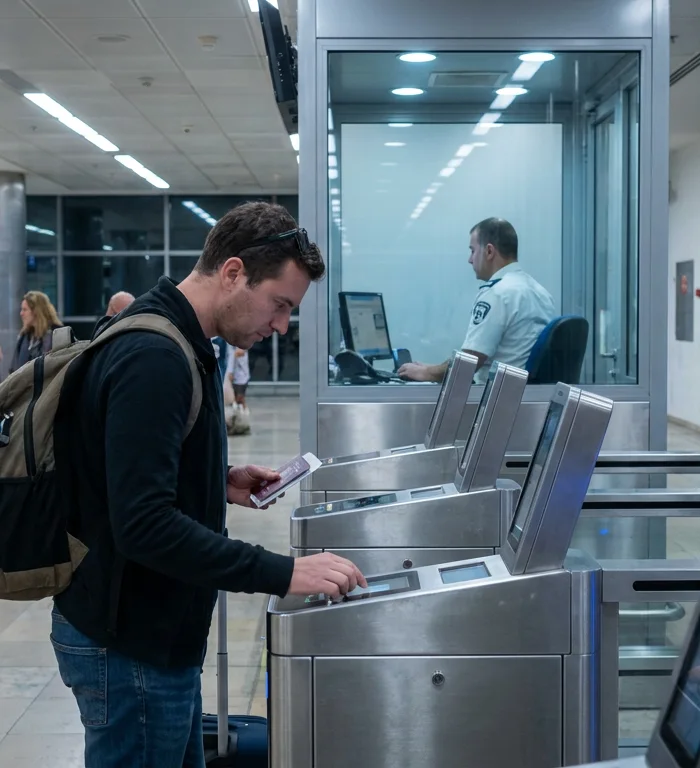
Visa automation enters testing phase Israel is transitioning its B/2 visitor visa process to a fully digital system, a move officials state is intended to streamline entry for international travelers. By replacing traditional paper-based documentation with an automated electronic platform, the Interior Ministry aims to reduce processing times for short-term stays, including tourism and business visits. The policy change coincides with broader efforts to align Israeli travel infrastructure with international standards prevalent in the Gulf Cooperation Council (GCC). These states, including the United Arab Emirates and Bahrain, have already implemented advanced digital visa systems to facilitate rapid tourist transit. Diplomatic shifts and regional integration The digitization initiative arrives at a complex juncture for the Abraham Accords, the set of 2020 normalization agreements between Israel, the UAE, and Bahrain. While public diplomacy has largely stalled since the escalation of conflict in Gaza and Lebanon, economic and technical cooperation continues through quiet, back-channel institutional ties. Integrating Israeli entry systems with regional tourism networks remains a delicate exercise in policy balancing. Analysts suggest that the digitization move signals a long-term commitment to a shared tourism infrastructure, even as formal diplomatic progress with Riyadh remains in a pre-normalization state. Economic impact of tourism corridors
Interior Ministry
The potential for a unified Middle Eastern tourism corridor is a central pillar of regional economic development programs, specifically Saudi Arabia’s Vision 2030. By reducing bureaucratic friction at the border, Israel seeks to capture a larger share of the transit traffic moving between European hubs and emerging tourist destinations in the Gulf.
The primary uncertainty remains whether this infrastructure can bypass current political bottlenecks. If transit corridors between Tel Aviv, Dubai, and Riyadh prove robust, it could set a precedent for standardized regional travel protocols. Conversely, if host nations impose new restrictions on Israeli travel as a response to regional security volatility, the project would face immediate operational constraints.
More stories
- Germans oppose Ukraine aid as poll shows support slipping
- Kim Jong-un receives 10 envoys after constitutional shift
- Ukraine claims Libya strike sinks Russian naval corvette
- COP31 climate talks collapse over fossil fuels and funds
- Russian military faces 1,087 recorded suicides in Ukraine war
- US faces China, Russia in Africa minerals contest
- Dimaampao seeks 7-year Philippine chief justice term
- Singapore issues notices to 10 Indonesia-based firms over possible haze links
- US-China talks lift tone before Trump-Xi summit this week
- Greenland security deal opens Arctic door to US capital
Latest news
- Trump prepares tariffs on China and other major exporters
- New-car buyers pay record average $50,087 in October
- Banks face ECB reserve debate over liquidity and profits
- Investors see Anthropic debut gains fade below $83 a share
- Iraq orders federal control over Kurdish-area oilfields
- Nvidia shares retreat as AI rally cools before PCE data
- Macy’s parade faces balloon limits as storm winds approach