Greenland security deal opens Arctic door to US capital
President Trump’s Greenland security deal is expected to calm a two-year dispute and reopen space for U.S. investment on the Arctic island.
Omar Farouk ·
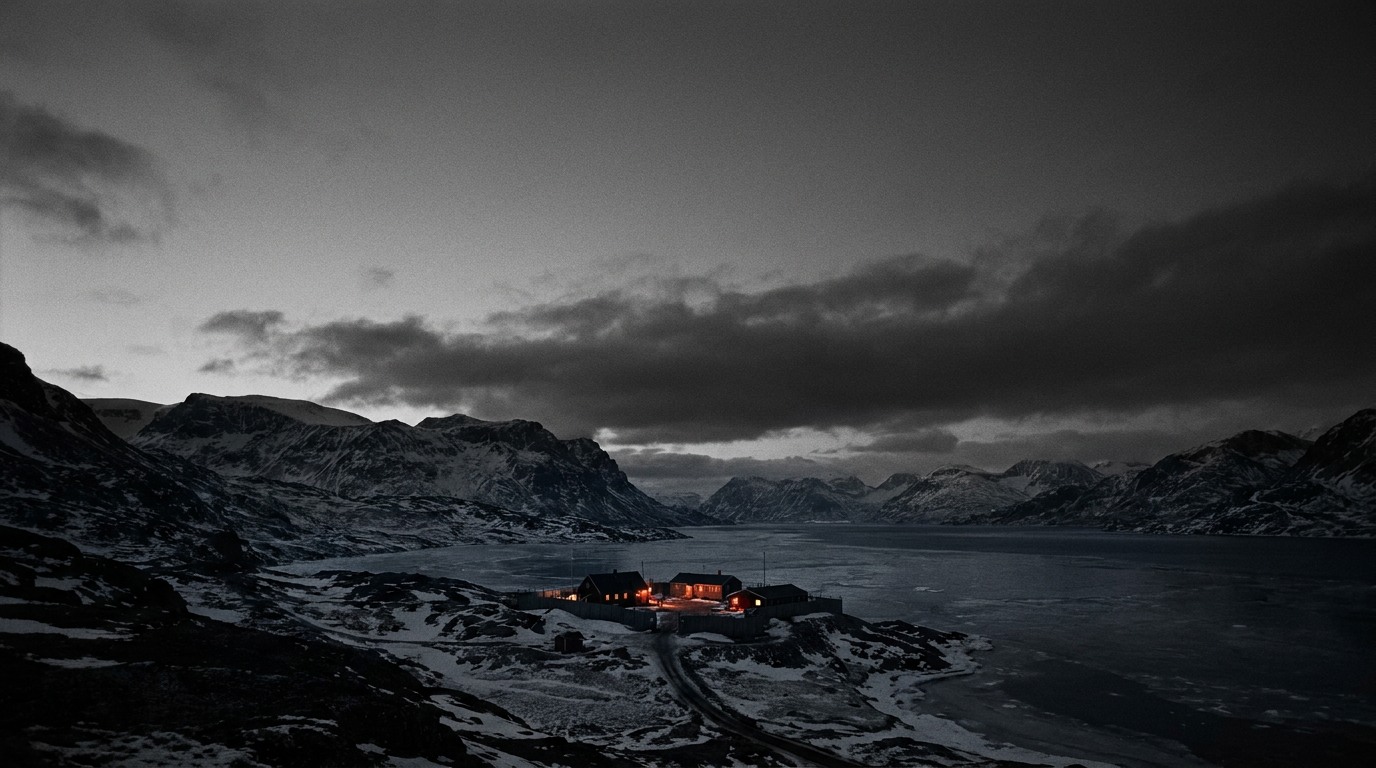
The Greenland security deal is expected to be signed this week, easing a two-year freeze around U.S. investment on the Arctic island.
President Trump announced the arrangement Friday after months of U.S. pressure over the semiautonomous Danish territory. The text has not been released, and officials have described the deal as a security framework rather than a transfer of sovereignty.
Trump deal narrows a crisis
The agreement would mark a retreat from Trump’s stated ambition to control Greenland, an idea he first advanced during his first term. His later warnings that force could be used unsettled Greenlanders, alarmed Denmark and drew objections from European NATO allies.
Greenlandic business figures said the pact could reduce the political cost of working with American partners. Naaja Nathanielsen, a lawmaker and former Greenlandic minister for business and mineral resources, said: "If the deal gets over the line, it will benefit all parties."
1951 treaty remains the base
Officials from the U.S., Denmark and Greenland have indicated that the new document will build on a 1951 defense treaty, amended in 2004. That framework already permits the U.S. to station troops and construct military facilities on the island.
The reported addition is durability: U.S. and Danish officials said the arrangement would continue if Greenland became independent from Denmark or if NATO collapsed. That clause would preserve Washington’s Arctic security position under scenarios that are now remote but politically visible.
Investors look beyond mining
The commercial effect is expected to be uneven if the agreement is completed. Mining and oil projects remain constrained by Arctic weather, distance, infrastructure gaps and other structural barriers that are not removed by a security pact.
Other sectors may move sooner if political tension recedes. Greenlandic businesspeople cited proximity to the U.S. as a reason American partners are a natural fit for services, logistics and infrastructure tied to the island’s wider opening.
The stigma around U.S. cooperation has been part of the obstacle. Demonstrations in Nuuk earlier this year reflected public anger at Trump’s territorial language, while long-abandoned U.S. military sites remain a visible reminder of an older American presence.
Independence clause extends reach
If the deal is signed in the form officials have described, the global macro effect would probably be limited at first to lower political risk around Arctic routes, energy prospects and defense planning. The mechanism is confidence, not immediate production, since the agreement does not itself approve mines, wells or ports.
For Greenland, the near-term test is whether local businesses see more U.S. capital without a renewed backlash over sovereignty. For American companies, the gain would be a clearer security backdrop; for the wider Arctic sector, the pact could set a template for separating investment from territorial claims.
If the signing slips or the final text revives concerns over control, the same mechanisms would work in reverse. Denmark would remain under diplomatic pressure, Greenlandic partners could keep U.S. approaches at arm’s length, and investors in Arctic resources would face another layer of political risk on top of cost and climate constraints.