Israel Cabinet advances Armenian genocide recognition bill
Israel’s Cabinet backed a proposal to recognize the Armenian genocide, sending the issue toward the Knesset as relations with Turkey continue to worsen.
Lauren Collins ·
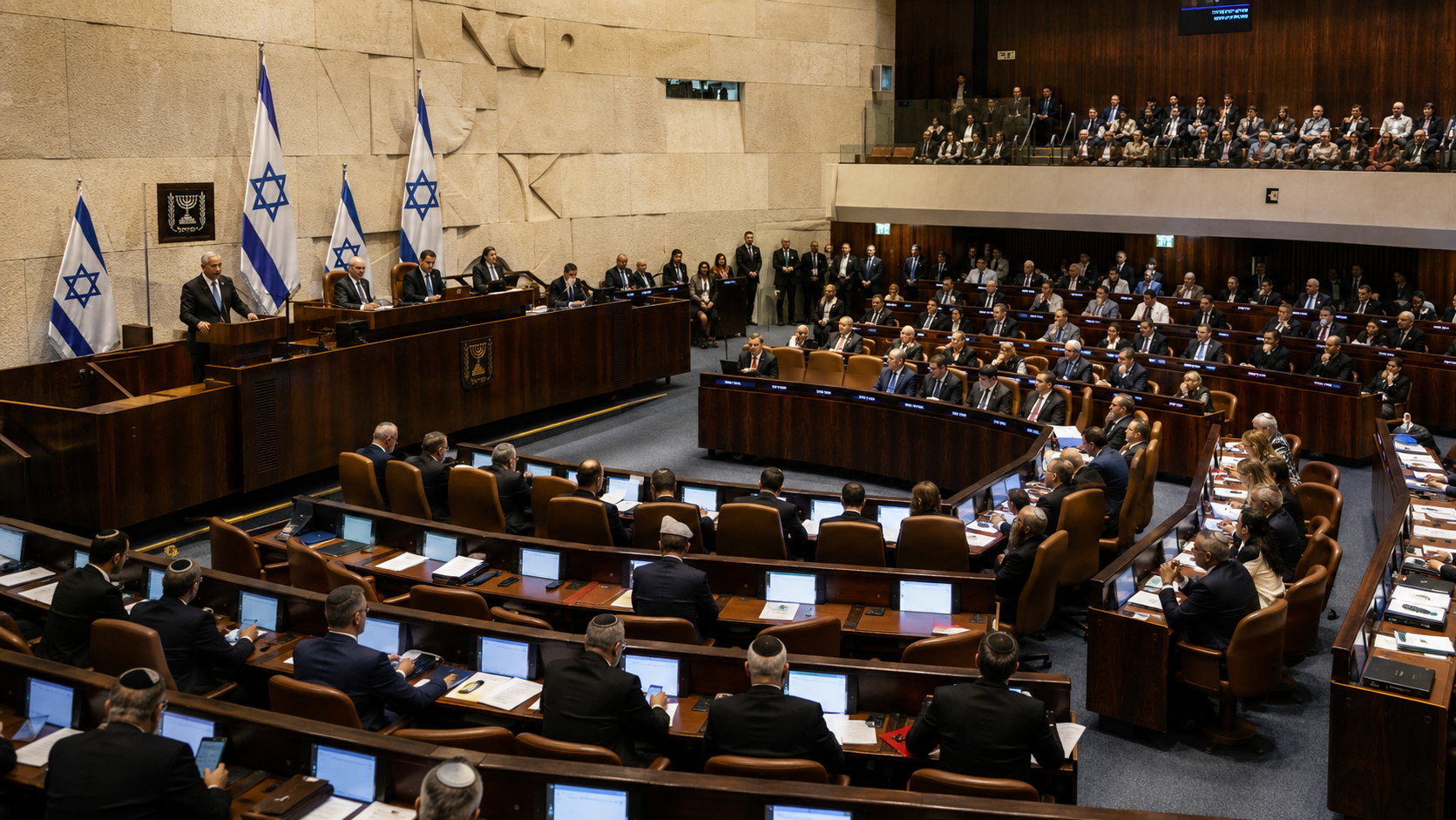
Israel’s Cabinet has endorsed a proposal to recognize the Armenian genocide, setting up a future parliamentary vote that could further strain relations with Turkey.
The government’s decision on Sunday was unanimous, according to the proposal’s sponsor, Foreign Minister Gideon Saar. The measure is not yet law and still requires approval by Israel’s Knesset.
If passed, Israel would formally apply the term “genocide” to the mass killing of Armenians in the Ottoman Empire during World War I. The move would place Israel alongside a growing number of countries and institutions that have adopted similar language.
Cabinet decision sends issue to Parliament
Saar brought the initiative to the Cabinet and framed it as a response to what he described as long-running denial efforts. He argued that historical records are extensive and clear, yet the episode remains contested in international politics.
In comments released Sunday, Saar said there is an “institutionalized” effort to deny or minimize the events, including attempts to revise historical accounts. He attributed much of that campaign to the Turkish government.
Saar also pointed to earlier statements by Israeli leaders that used the term genocide, including Prime Minister Benjamin Netanyahu. However, he emphasized that Israel has not completed a formal recognition through a Knesset vote.
“It is never too late to do the right thing,” Saar said, calling recognition a “moral and historical duty.”
History and the contested death toll
The events at the center of the proposal date to around 1915, when Armenians in the Ottoman Empire were killed in large numbers amid World War I. Many historians view the campaign against Armenians as a defining atrocity of the early 20th century.
Scholarly estimates often cite deaths as high as 1.5 million Armenians. That figure has helped shape the prevailing academic view that the episode meets the definition of genocide.
Turkey rejects that characterization and disputes both the label and the scale of the killings. Ankara maintains the death toll is exaggerated and argues that many victims died in the context of civil conflict and broader wartime upheaval.
Diplomatic fallout and shifting regional ties
The Cabinet action comes against a backdrop of increasingly difficult Israel-Turkey relations. For years, Israeli governments avoided a formal step on Armenian recognition, in part to prevent a major dispute with Ankara.
That caution has weakened as the relationship has deteriorated over roughly two decades. The latest regional conflicts—including recent wars involving Gaza, Lebanon and Iran—have added new pressure points to already strained ties.
Turkey has historically lobbied governments worldwide to avoid official recognition of the Armenian genocide. Armenian communities and advocates, meanwhile, have pressed for state recognition as a matter of historical accountability and collective memory.
In practical terms, the Israeli proposal is now positioned as both a historical statement and a foreign-policy signal. A Knesset vote would test whether the Cabinet’s consensus can translate into a durable parliamentary decision amid diplomatic sensitivities.
Next steps will depend on the legislative timetable and the level of political support within the Knesset. Observers will also watch for any formal response from Ankara and whether the issue affects wider cooperation between Israel and Turkey.