Iran Strait of Hormuz panel meets in Muscat with Oman
Iran Strait of Hormuz discussions began in Muscat with Oman as Tehran rejected reports of imminent technical talks with the US in Doha.
Lauren Collins ·
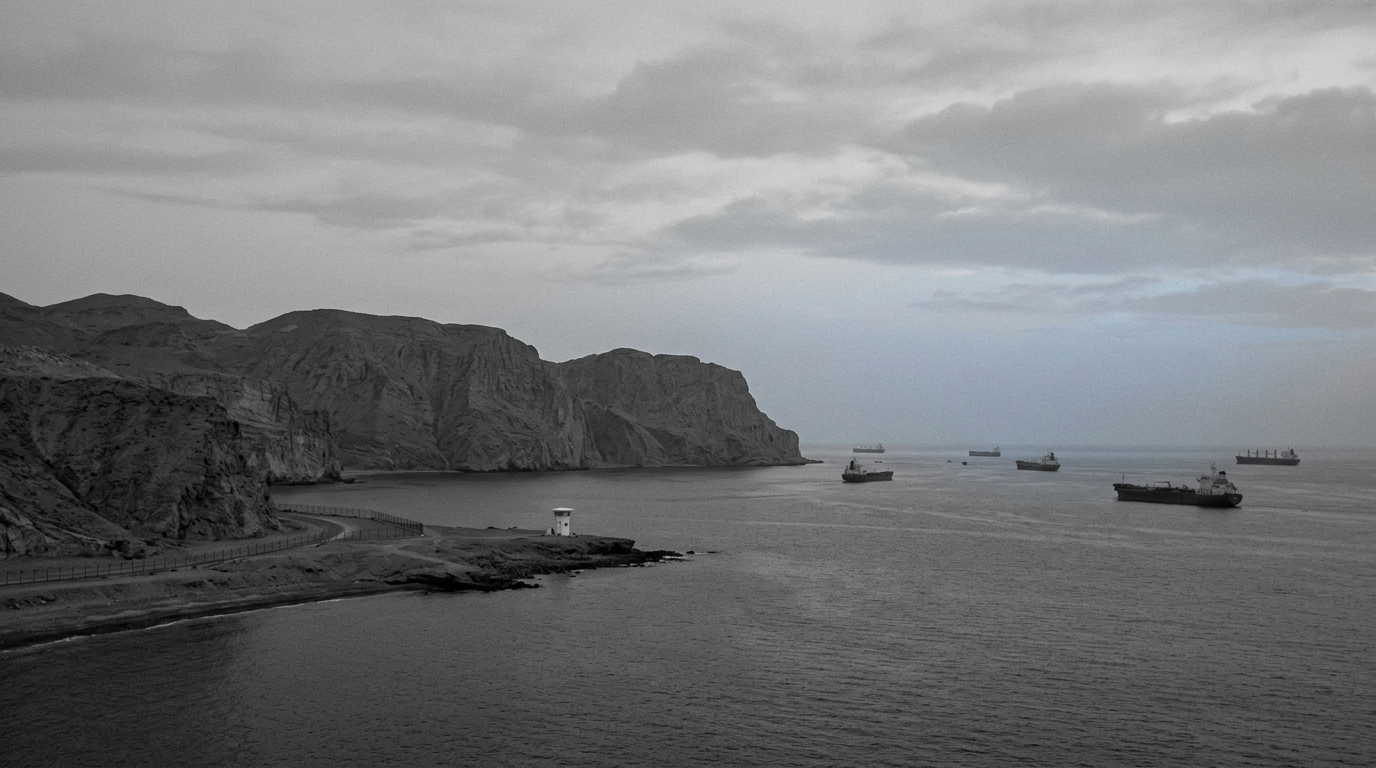
Iran Strait of Hormuz discussions moved forward in Muscat after Tehran confirmed a first committee session with Oman and denied reports of new US-linked talks in Doha.
Iran’s deputy foreign minister, Kazem Gharibabadi, said Monday that the inaugural meeting of the “Joint Hormuz Committee” was held in Oman’s capital. The body is intended to address management and longer-term arrangements for the strategic waterway.
The announcement came amid widespread US media coverage suggesting Washington and Tehran were preparing to restart technical discussions as early as Tuesday in Qatar. Iranian officials rejected that timeline, saying no date or venue has been agreed.
Tehran disputes reports of imminent Doha technical talks
Gharibabadi said Iran’s separate contacts with Qatar are continuing “as usual,” but he stressed that reports about technical negotiations in Doha were “not confirmed.” He added that technical talks would only begin once “all conditions are met” and the location and timing are accepted by all parties.
“Consultations on this matter are continuing through intermediary countries,” Gharibabadi said, signaling that indirect engagement remains the current channel. Iran’s message effectively pushed back on a narrative that a formal round was scheduled to start immediately.
Pakistan and Qatar, which helped broker an earlier memorandum of understanding, are described by Tehran as co-mediators for any renewed process. Their involvement suggests a multi-track diplomacy effort running alongside Oman’s role on the Hormuz file.
Framework deal sets a 60-day window for a broader settlement
Iran said the Muscat committee session follows a framework understanding reached earlier this month with the United States. The arrangement is described as a 60-day framework designed to lead to a comprehensive agreement.
Under that framework, the parties committed to pursue a final package that would address Iran’s nuclear programme, the lifting of sanctions, and the long-term status of the Strait of Hormuz. The strait is a critical route for global energy shipments, and disruptions there can quickly reverberate across oil and gas markets.
Tehran’s emphasis on “conditions” and mediator-led consultations indicates that the process remains sensitive and contingent. Officials have not detailed what benchmarks must be met before technical talks can begin.
Recent exchanges of fire tested the diplomatic track
The framework’s durability has been questioned after a recent exchange of strikes and counter-strikes, according to the account presented alongside the media reporting. Those developments were portrayed as straining confidence in the understanding and driving discussion about halting attacks.
The framework agreement was signed on 17 June, according to Iranian and US-linked accounts cited in the reports. The text described an unusual signing context: US President Donald Trump signed while dining with French President Emmanuel Macron at the Palace of Versailles, while Iranian President Masoud Pezeshkian signed in Tehran.
The broader objective, as described by the parties involved in the framework, is to end a conflict that has destabilized parts of the Middle East and complicated the movement of energy cargoes through Hormuz. Any perceived instability in the strait can affect shipping decisions, insurance costs, and routing behavior, even absent a full closure.
For now, Iran’s confirmation of a Muscat committee meeting underscores that work on Hormuz-specific arrangements is proceeding with Oman, while the timing of any US-Iran technical discussions remains unresolved. The next signal to watch will be whether mediators can secure mutually accepted terms for a formal technical round within the framework’s 60-day window.