Iran frozen funds: US talks signal progress on $12bn unlock
$12 billion in frozen Iranian funds may be released in two tranches as US-Iran talks advance, while Washington briefs Gulf allies and monitors shipping.
Omar Farouk ·
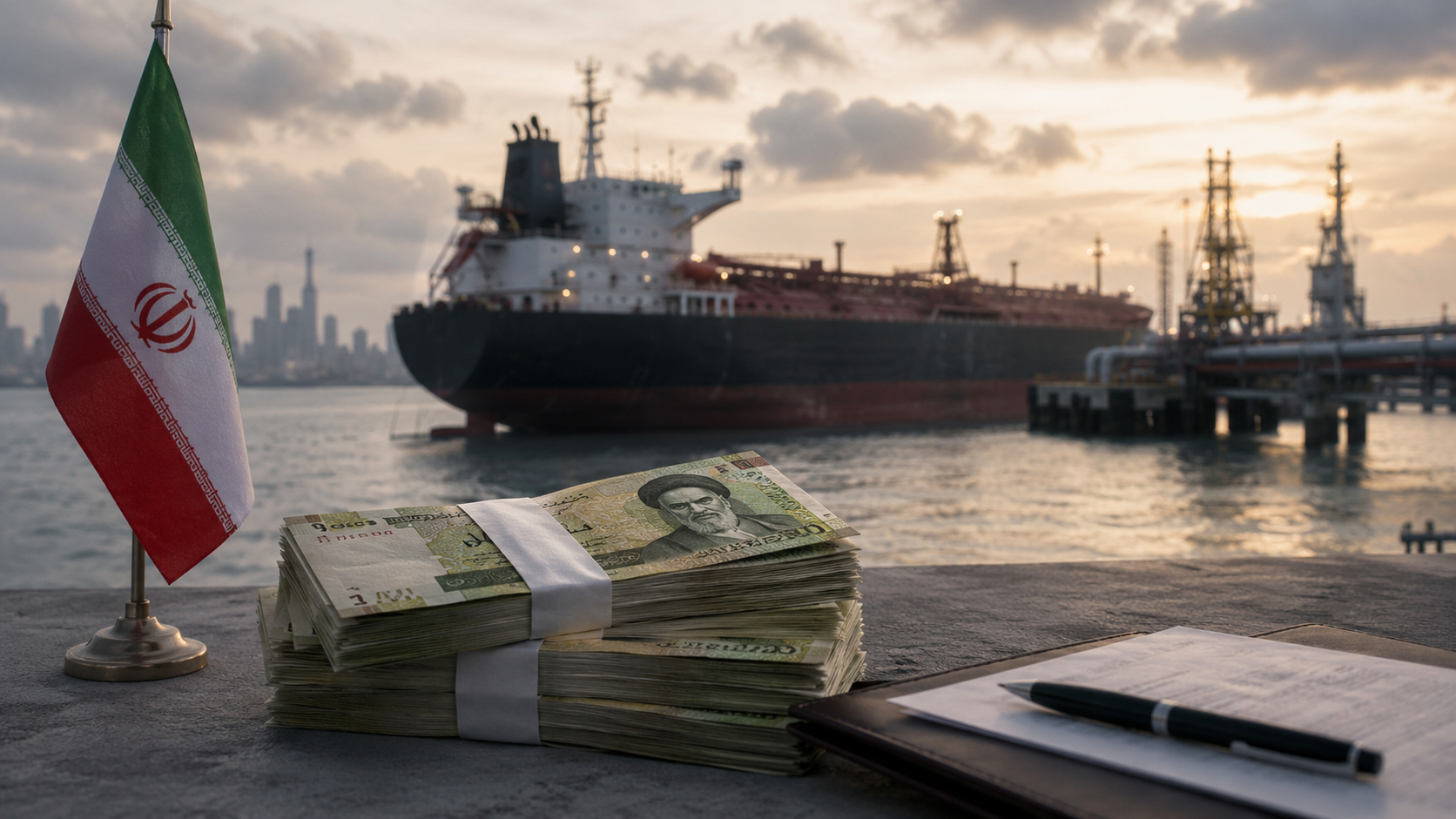
Iran frozen funds totaling $12 billion are expected to be released as US-Iran negotiations move forward, according to Iranian officials and local media.
Tehran said the money would be unlocked in stages as part of ongoing talks with Washington aimed at formally ending the countries’ conflict. The US has not publicly confirmed the amount Iran would receive, keeping key details of the arrangement unresolved.
Iran cites two-stage release; US details remain unconfirmed
Iran’s semi-official Mehr news agency reported that the funds would come in two installments of $6 billion each. Mehr cited Deputy Foreign Minister Kazem Gharibabadi as the source of the breakdown.
The prospective release is unfolding alongside other measures linked to the talks, including reported US steps to ease constraints on Iranian oil exports. A temporary US license allowing Iran to sell oil internationally for 60 days has been described as an economic lifeline for Tehran, although Washington has not provided a full public accounting of how the broader package would work.
US Vice President JD Vance, identified as Washington’s lead negotiator, said Monday that Iran would use the funds it receives to purchase American agricultural commodities. He pointed specifically to soy, wheat and corn.
Criticism in the US and regional worries complicate the picture
The evolving arrangement has drawn criticism of President Donald Trump from opponents who argue that financial relief could bolster Iran’s military capacity. Iran hawks have also warned that additional liquidity could enable continued support for aligned armed groups, including Hezbollah.
Even as both sides signal progress, flashpoints remain. One of the most sensitive issues is Israel’s war against Iran-backed Hezbollah in Lebanon, a conflict that continues to influence regional calculations and the political room for compromise.
For US officials, the challenge is balancing diplomatic momentum with assurance to partners that any interim understanding will not weaken their security. The fact that Washington has yet to verify the size and mechanics of an unfrozen-funds transfer adds uncertainty for markets and for regional governments trying to assess the agreement’s practical effects.
Rubio heads to Gulf as Hormuz traffic picks up
Secretary of State Marco Rubio is expected to arrive in the United Arab Emirates on Tuesday, as the US seeks to brief and reassure regional allies following an interim US-Iran agreement signed last week. Rubio is also scheduled to travel to Kuwait and Bahrain later this week.
Among the issues likely to feature in the Gulf discussions is the Strait of Hormuz, the narrow maritime corridor through which a significant share of seaborne oil transits. Increased tanker activity through the strait has been reported in recent days, a sign that shipowners and traders are gaining confidence that vessels can pass as tensions ease.
Any sustained improvement in shipping flows through Hormuz would matter well beyond the region, because disruptions can ripple quickly into freight costs, insurance pricing, and crude benchmarks. For Iran, steadier traffic and softer restrictions on exports can translate into more predictable revenue, particularly if a 60-day oil-sales window is extended or replaced by a longer framework.
Next steps center on whether Washington confirms the funding figures Tehran is citing, and whether the staged release is tied to verifiable conditions. Diplomats will also watch Rubio’s meetings in the Gulf for indications of how the US plans to manage allies’ concerns while keeping the negotiations on track.