Iran’s multi-ethnic map shapes dissent, but offers no new trigger for change
An opinion article revives debate over “regime change” in Iran by emphasizing the country’s multi-ethnic makeup, but it presents no new event or verifiable…
Omar Farouk ·
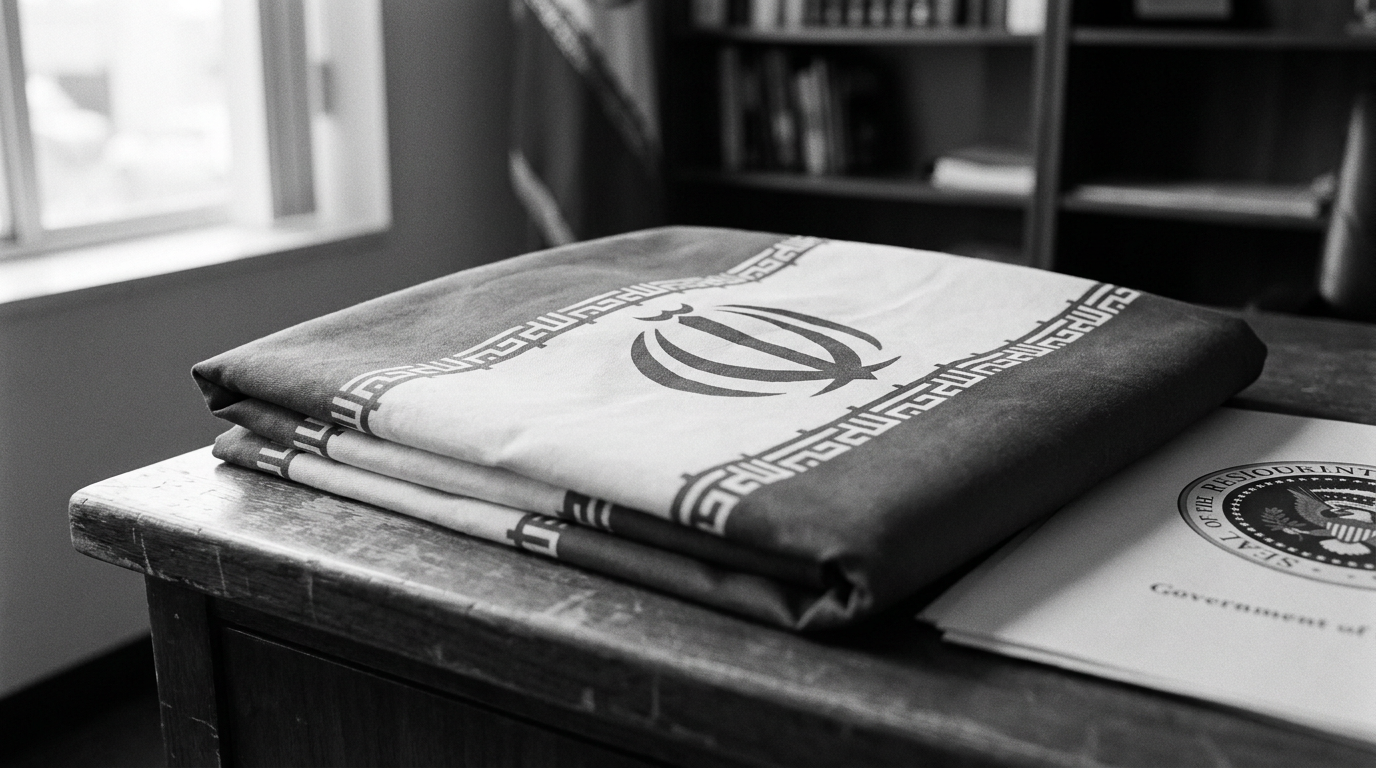
# Iran’s multi-ethnic map shapes dissent, but offers no new trigger for change
An opinion article published this week has revived a recurring question in regional politics: what a “best path forward” for regime change in Iran would look like. The piece leans heavily on a basic but important point, that Iran is a multi-ethnic state, yet it does not cite fresh government action, security developments, or a new protest wave that would shift the near-term outlook.
Iran is home to multiple ethnic communities
Iran is home to multiple ethnic communities, including Persians, Azerbaijanis, Kurds, Turks, Lors, Baloch, and Ahvazis, alongside smaller groups. That diversity has long shaped how Tehran governs, how opposition movements organize, and how neighboring states interpret unrest inside Iran.
The core state institutions remain centralized under the Islamic Republic, with internal security forces responsible for containing dissent and monitoring border regions where some minority populations are concentrated. Ethnic identity can intersect with economics, language rights, and local governance disputes, but it does not automatically translate into coordinated national-level opposition.
Ethnic narratives around Iran can quickly become a regional flashpoint because they touch questions of borders, separatism, and the role of neighboring countries. For Gulf Arab states and Israel, any instability in Iran is often read through the lens of Iran’s regional posture, including its support for allied armed groups; for Iran, external discussion of ethnic fragmentation is frequently portrayed as foreign interference.
Islamic Republic
The global spillover risk is less about rhetoric and more about whether internal Iranian instability could affect energy and shipping. Iran sits astride the Strait of Hormuz, a chokepoint for maritime oil flows, and tensions that raise the chance of miscalculation at sea can ripple into insurance costs, freight rates, and energy prices.
A second shipping pressure point for the region, Bab al-Mandab near Yemen, is not controlled by Iran, but broader escalation dynamics can compound risks across Red Sea routes.
By 2024-07-20, the falsifiable signal to monitor is whether there is verifiable evidence of a large, coordinated protest movement that explicitly organizes along ethnic lines across multiple provinces and sustains momentum, or whether there are credible, public calls for autonomy or secession gaining significant traction inside Iran. If such a unified, cross-regional movement emerges and persists, it would mark a measurable change in the regime’s internal challenge set; if unrest remains periodic, localized, and fragmented, the practical balance of power is likely to stay broadly intact despite louder external debate.