Trump: Iran Ceasefire Is Over
The Iran deal collapsed after Trump declared the interim pact over, while US and Iranian strikes widened fears around Gulf shipping and markets.
Lauren Collins ·
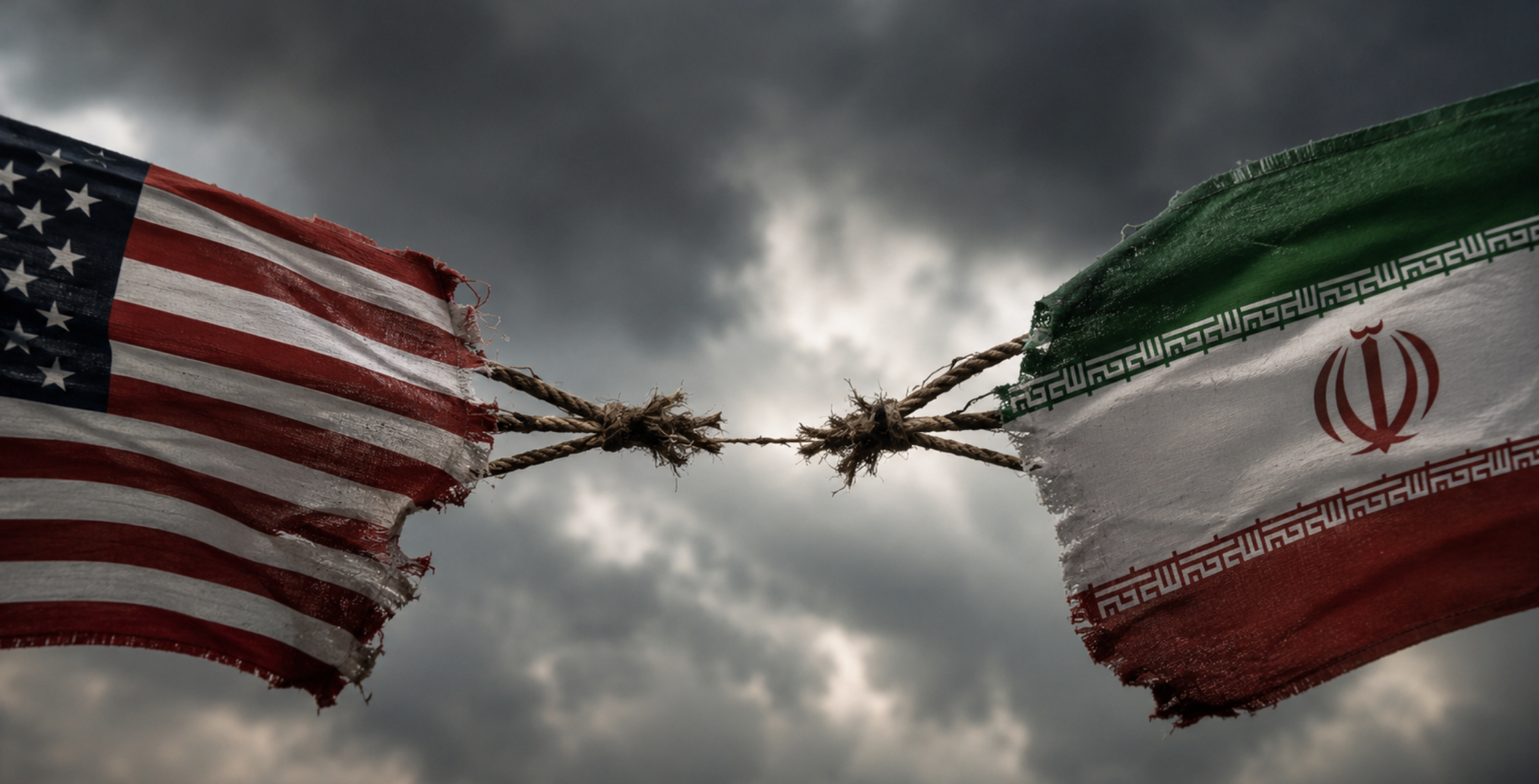
The Iran deal unraveled after President Donald Trump said the interim pact was over following overnight US strikes on Iran. Markets swung as Gulf tensions widened.
Trump made the remarks at a NATO summit in Turkey, turning a diplomatic gathering into the stage for a sharper US posture toward Tehran. He called Iranian leaders "scum" and said dealing with them was a waste of time, language that stripped away any public space for near-term bargaining.
Trump ends last month’s pact
The interim arrangement had been reached with Iran last month, according to the source account, but Trump said it no longer applied. His declaration changed the political frame from uneasy negotiation to open confrontation, even before either side offered a detailed path back to talks.
The timing mattered because the comments followed US military action overnight. Washington said the strikes were a response to Iranian attacks on three commercial vessels moving through the Strait of Hormuz, a narrow Gulf route central to seaborne energy flows and regional shipping security.
Hormuz attacks trigger US strikes
The US account placed maritime security at the center of the escalation. If commercial shipping is seen as vulnerable in the strait, traders tend to price in higher risk for oil transport, while equity markets can react to the possibility of a wider conflict disrupting supply chains or military spending plans.
Iran’s military said it retaliated on Wednesday by launching missiles and drones at US bases in Bahrain and Kuwait. That claim, if confirmed through official damage assessments, would move the confrontation beyond Iran’s territory and into the Gulf states that host American military assets.
The immediate corporate effect falls first on energy producers, shippers, insurers and airlines exposed to Gulf routes. Without verified market prices or vessel damage details, the scale of the financial hit cannot be measured from the provided information, but the mechanism is clear: higher perceived danger can raise costs for moving fuel, goods and people through the region.
Gulf bases widen the risk
The NATO summit setting also added a political layer. Trump’s statement was delivered in front of alliance partners, which means allies will now read the US position not only as a bilateral message to Iran but as a signal about Washington’s tolerance for escalation in the Gulf.
For Iran, the stated retaliation against bases in Bahrain and Kuwait presents a different calculation. If Tehran limits its response and Washington stops after the latest strikes, the interim deal may remain politically dead but the conflict could stay contained to military signaling and maritime deterrence.
If vessel attacks continue, the macro channel runs through energy and shipping. Global markets would likely focus on the reliability of Gulf transit, the specific pressure would fall on companies tied to crude transport and insurance, and the wider sector could face tighter routing, higher premiums and delayed cargo schedules.
If the US and Iran instead use intermediaries to restore a negotiating channel, the effect would be different. Macro pressure could ease through lower risk pricing, Trump would gain room to claim coercive leverage, and the energy and transport sectors would have a clearer basis for planning around Gulf exposure.
The open questions are concrete: whether the attacks on the three vessels caused lasting disruption, whether the reported strikes on US bases caused casualties or damage, and whether either government names conditions for de-escalation. Until those facts are confirmed, the story is less about a finished diplomatic process than about how quickly military exchanges can redraw the cost of doing business in the Gulf.