

Iran salvo tactics pressure US interceptor stocks after 2024 attacks
Washington’s concern is the cost-exchange problem: cheaper legacy missiles can draw expensive interceptors before advanced warheads arrive.
Iran is pairing older ballistic missiles with newer systems in layered salvos to improve penetration of Israeli air defenses, a defense report published Nov. 18 said, after two major strike windows in 2024.
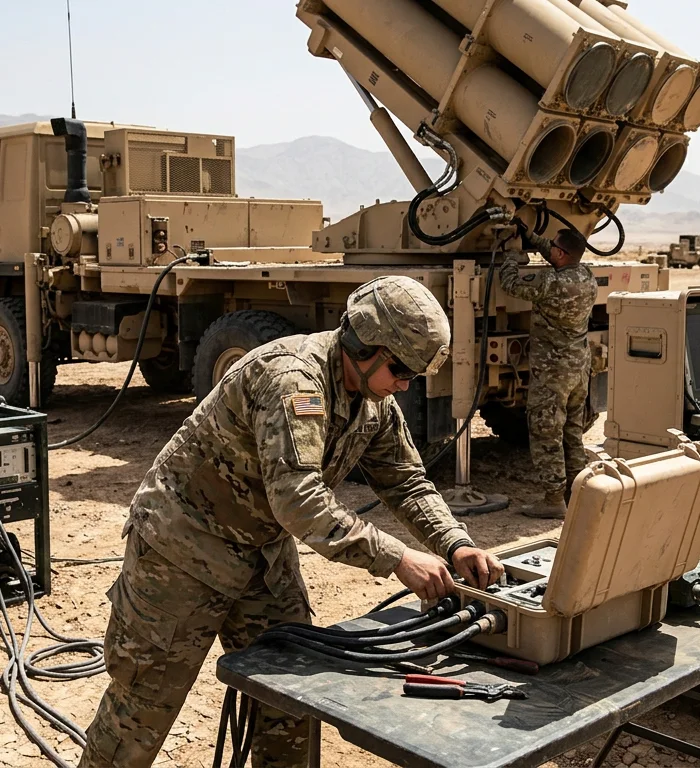
For Washington, the pressure point is cost exchange, the mismatch between lower-cost attacking missiles and high-end interceptors such as Terminal High Altitude Area Defense and Standard Missile rounds deployed to protect Israel.
The report said Iran’s April and October 2024 strikes showed how high-volume launches can force defenders to spend scarce interceptors even when interception rates are high. US Army THAAD batteries and Aegis-equipped destroyers link American munitions readiness directly to Israel’s ability to sustain defenses during repeated salvos.
That creates a Pentagon planning problem beyond the Middle East. If more US interceptors are held in or moved to the region, fewer may be available for Indo-Pacific war plans that depend on the same industrial base and some of the same air-defense inventory.
Congressional defense committees are likely to focus on replenishment if operational consumption becomes visible in budget documents. The clearest public indicator would be a Defense Department reprogramming request, supplemental authorization or unfunded priorities list that cites Middle East interceptor use as a reason to accelerate procurement.
The tactical inference is not proof that US stocks are near depletion. Interceptor inventories and many production rates are not public, and the report did not provide a current Pentagon inventory figure or a dated procurement request.
Source: defense news report, Wion, Nov. 18
More stories
- Germans oppose Ukraine aid as poll shows support slipping
- Kim Jong-un receives 10 envoys after constitutional shift
- Ukraine claims Libya strike sinks Russian naval corvette
- COP31 climate talks collapse over fossil fuels and funds
- Russian military faces 1,087 recorded suicides in Ukraine war
- US faces China, Russia in Africa minerals contest
- Israel panel undercuts Likud fraud claim over 19 Arab-led seats
- Asif Merchant receives 27 years for U.S. assassination plot
- Lula wins fourth term in Brazil election upset result
- SpaceX’s AI buildout adds $40 billion in GPU debt
Latest news
- Trump prepares tariffs on China and other major exporters
- New-car buyers pay record average $50,087 in October
- Banks face ECB reserve debate over liquidity and profits
- Investors see Anthropic debut gains fade below $83 a share
- Iraq orders federal control over Kurdish-area oilfields
- Nvidia shares retreat as AI rally cools before PCE data
- Macy’s parade faces balloon limits as storm winds approach