Iran Offers Hormuz Truce for End to War
Tehran's plan sidelines nuclear talks, demands U.S. and Israeli security guarantees first.
Cuneyd Erdogan ·
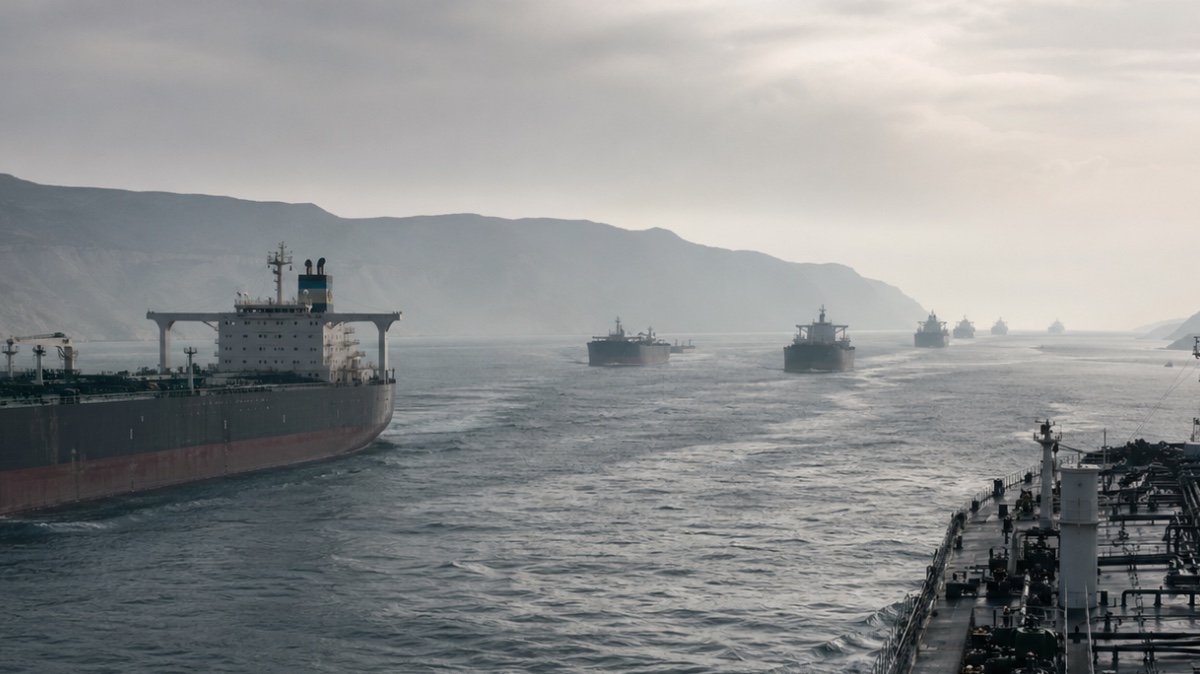
Iran has handed regional mediators a fresh proposal to halt its attacks in the Strait of Hormuz, conditioned on a full ceasefire and the removal of the U.S. blockade on Iranian ports, according to officials briefed on the talks. Foreign Minister Abbas Araghchi delivered the framework over the weekend. The plan deliberately removes Iran's nuclear program from the opening agenda. Tehran's UN mission declined to comment.
Tehran's Motivation for the Offer
The offer arrives after direct U.S.-Iran negotiations collapsed earlier this month and Washington imposed a port blockade in response to Iran's de facto closure of the strait. Araghchi met Russian President Vladimir Putin on Monday in Moscow, where Putin praised Iranian resistance to the U.S. and Israeli campaign and offered help mediating. President Trump discussed the proposal with his national-security team the same day, White House press secretary Karoline Leavitt confirmed. Secretary of State Marco Rubio said he believes Tehran is serious but ruled out any arrangement giving Iran control of the waterway.
A Phased Approach Centered on Hormuz
The Iranian framework moves in phases. The first requires the United States and Israel to end the war and guarantee they will not restart it. Mediators would then take up the strait's closure and negotiate a long-term management arrangement, with Tehran insisting the waterway remain under Iranian control. Only after those steps would talks turn to the nuclear file, Iran's regional proxy funding, and other unresolved disputes.
Impact on the Strait, Blockade, and Energy Markets
Roughly a fifth of global oil passes through Hormuz, making any sustained disruption a direct concern for energy markets and Gulf shipping insurers. The U.S. blockade has squeezed Iranian crude exports and tightened pressure on Tehran's revenue base, while the closure of the strait has reshaped tanker routing across the region. A reopening on Tehran's terms would relieve immediate pressure on prices but leave the question of who governs the waterway unsettled.
The Risk of Deferring the Nuclear Issue
Raz Zimmt, who runs the Iran program at Israel's Institute for National Security Studies, warned in a post on X that anything left unresolved when the fighting stops will likely stay unresolved afterward. That captures the strategic gamble at the heart of the proposal: Israel and the U.S. have spent the campaign trying to set back Iran's nuclear capabilities, and a ceasefire that postpones that conversation risks locking in whatever ground Tehran has held or recovered. Mediators have urged both sides to keep talking remotely until positions converge.
Regional Pressures Intensify
Lebanon's Health Ministry reported 2,521 deaths and 7,804 wounded since March 2 from Israel's military operations there, with an Israeli soldier killed and five wounded in a Hezbollah drone strike Sunday in the south. Hezbollah Secretary-General Naim Qassem and Lebanese President Joseph Aoun publicly accused each other of treason on Monday as fighting widened. In Israel, former Prime Minister Naftali Bennett and opposition leader Yair Lapid announced Sunday they would run together this year, the clearest sign yet that opposition to Prime Minister Benjamin Netanyahu is consolidating.
Potential Sticking Points for a Deal
Rubio's red line on the strait collides directly with Tehran's insistence on retaining control, and that gap defines the ceiling of any first-stage agreement. Whether mediators can produce language vague enough to bridge it, and whether Israeli domestic politics give Netanyahu room to accept a pause that defers the nuclear question, will determine if the proposal becomes a framework or a footnote.