Iran executions rise as most deaths go unannounced
Iran executions have continued at a high pace in 2024, with rights advocates saying most deaths go unannounced amid regional war headlines.
Omar Farouk ·
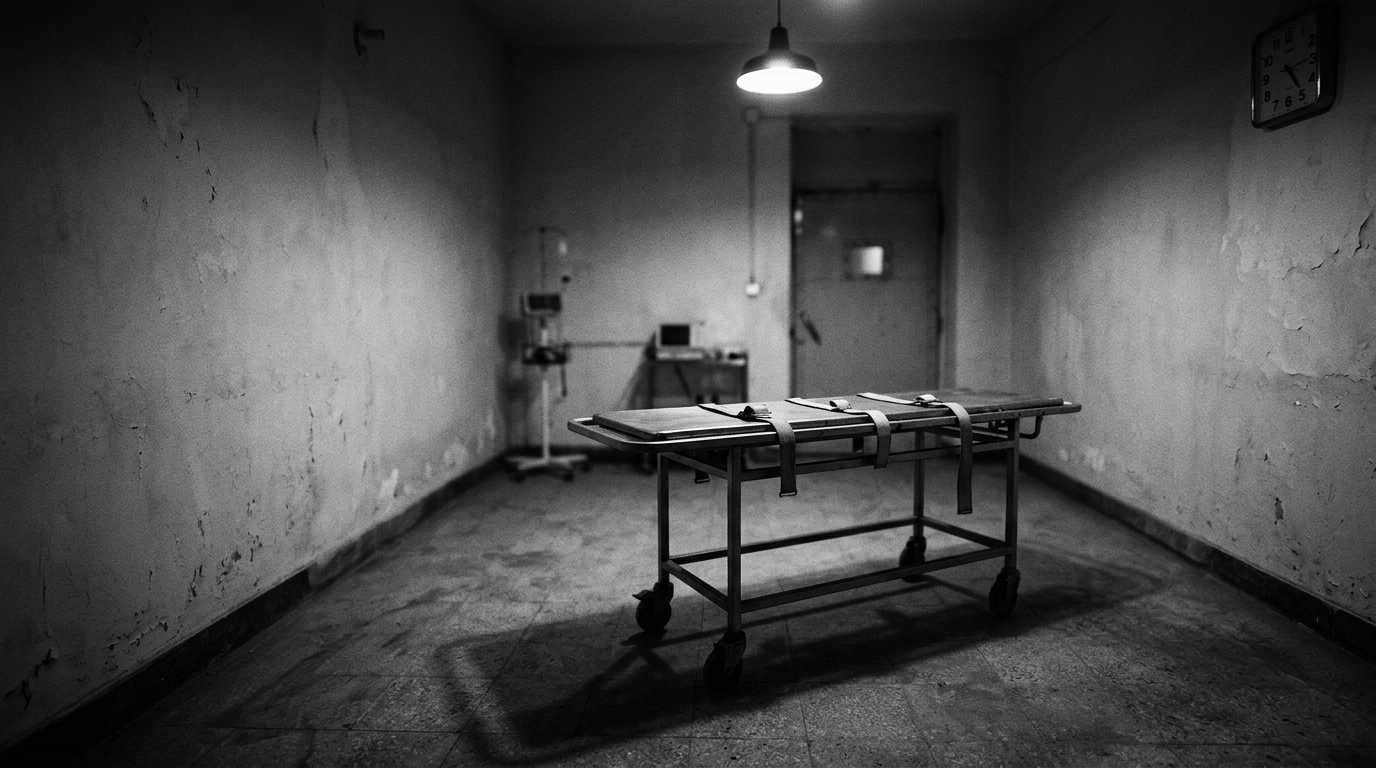
Iran has continued carrying out executions at a high pace in 2024 while publicly confirming only a small share of the deaths, according to rights advocates who say regional conflicts have helped move domestic repression out of the spotlight.
A recent compilation cited by advocates recorded at least 444 executions so far in 2024. The same compilation said Iranian authorities publicly announced only 67 of those cases.
Execution disclosures and what advocates say is missing
Rights advocates argue that the gap between documented executions and official disclosures makes independent monitoring far more difficult. They say it becomes harder for outside observers to evaluate basic due-process questions, including whether defendants had legal counsel, whether confessions were coerced, and whether court proceedings met minimum transparency standards.
Advocates also say keeping many executions unannounced can limit immediate domestic backlash while complicating international tracking. They describe the reporting discrepancy itself as part of the challenge for external institutions attempting to quantify the scale and assess legal safeguards case by case.
Charges tied to criminal justice and security cases
Iran has long used capital punishment as a feature of its criminal justice system and as an instrument of political control, advocates say. Cases are often linked to allegations such as drug-related offenses or accusations framed as threats to security.
One of the most politically sensitive accusations cited by advocates is “Moharebeh,” commonly translated as “enmity against God.” Iranian authorities have used the charge in cases they present as involving threats to public order or the state, according to the advocates.
Domestic unrest, enforcement cycles, and regional distraction The current period follows years marked by episodes of unrest and tighter controls, with the state moving against dissent through arrests, prosecutions, and sentencing, rights advocates said. They argue that execution levels can rise in waves that align with moments when the leadership seeks to deter protests, signal resolve to domestic audiences, or demonstrate control over what it describes as security threats.
Advocates also point to a regional environment dominated by war and escalation risks, including the Israel-Hamas conflict and tensions affecting maritime routes. They say that when diplomatic attention is absorbed by concerns about wider confrontation, scrutiny of internal Iranian policy can weaken.
Why the scrutiny gap matters beyond Iran
Rights advocates say reduced attention to domestic crackdowns can shape Iran’s internal stability and influence how readily the state absorbs international criticism. They add that diminished scrutiny can harden Iran’s posture in regional contests.
Advocates also say intensified internal repression can add to refugee and migration pressures over time. They further argue it can complicate dealings with European and UN institutions during periods when governments are focused on regional flashpoints and on risks to energy markets and critical shipping lanes, including the Strait of Hormuz and Bab al-Mandab.
By 2024-08-31, advocates said attention should focus on any new statements or reporting from the UN Human Rights Council or major human rights organizations that quantify Iran’s execution rate and describe judicial procedures in contested cases. They said signs of rising pressure would include more publicly documented unannounced executions or stronger, more specific international condemnations that cite verified case counts and due-process concerns, while fading pressure would be reflected in limited sustained follow-up as governments remain focused on regional military escalation.