Iran hardliners tighten grip as succession questions swirl in Tehran
Iran’s hardline power centers raise questions about succession and decision-making, fueling regional risks and volatility for energy and shipping.
Omar Farouk ·
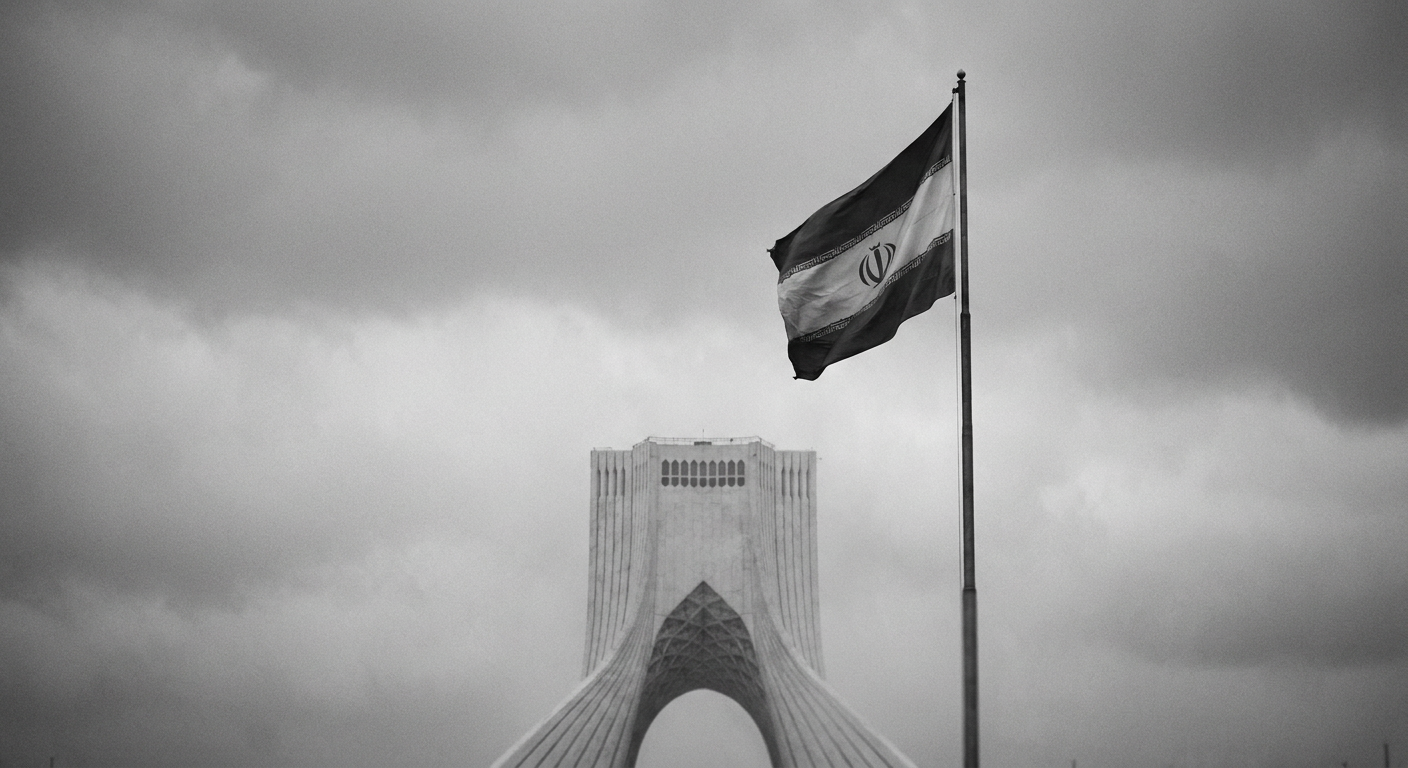
# Iran hardliners tighten grip as succession questions swirl in Tehran
An opinion article published this week argues that hardline factions are increasingly setting Iran’s political direction while Supreme Leader Ayatollah Ali Khamenei remains the system’s ultimate arbiter. The piece frames the current moment as one of intensified intra-elite competition, with multiple institutions and networks jockeying for influence in parallel.
In the Middle East
While the claims are interpretive and not based on new official disclosures, the argument lands at a moment when regional tensions already leave little margin for miscalculation. In the Middle East, even subtle shifts inside Tehran can alter the tempo of messaging, proxy activity, and risk tolerance across flashpoints.
Iran’s political system concentrates final authority in the Supreme Leader, who sits atop elected and unelected bodies and has decisive influence over defense and foreign policy. The president runs the day-to-day administration, while the Majlis (parliament) legislates, and bodies such as the Expediency Council arbitrate disputes and advise on major questions when institutions clash.
Alongside formal institutions, the Islamic Revolutionary Guard Corps (IRGC) operates as a powerful security and military actor with broad political and economic reach. Analysts often distinguish between hardliners and reformists or pragmatists, but power in Iran is also shaped by networks that cut across institutions, including conservative clerical circles, security bodies, and political factions that compete even when they share broad ideological ground.
If Tehran’s decision-making is increasingly driven by competing
If Tehran’s decision-making is increasingly driven by competing centers of power, it can produce sharper signaling and more aggressive postures as factions seek to demonstrate resolve and competence. That can affect the regional balance by hardening Iran’s stance toward rivals and intensifying pressure through allied non-state actors, including groups Iran has long backed such as Hezbollah in Lebanon and the Houthis in Yemen.
The spillover risk extends beyond the region. Escalatory cycles can threaten shipping lanes tied to global trade and energy flows, especially near chokepoints like the Strait of Hormuz and the Bab al-Mandab. Heightened friction can also complicate diplomacy between Iran and Western or regional states, and it can raise uncertainty in oil markets even when physical supply is not immediately disrupted.
By 2024-08-31, watch for observable shifts in public messaging and posture from the IRGC and senior conservative clerics, including any changes in the visibility of figures widely discussed as potential successors. The forward indicator for the hardliner-consolidation thesis would be more aggressive regional rhetoric paired with discernible changes in internal security signaling; the counter-indicator would be an unexpected public resurgence of moderate or pragmatic factions or a clear, unified leadership statement that reduces uncertainty around succession mechanics.