Netanyahu US visit tests Trump meeting bid over Iran war
Netanyahu will travel to the U.S. on Saturday as Israel weighs war diplomacy across Iran and Lebanon fronts.
Lauren Collins ·
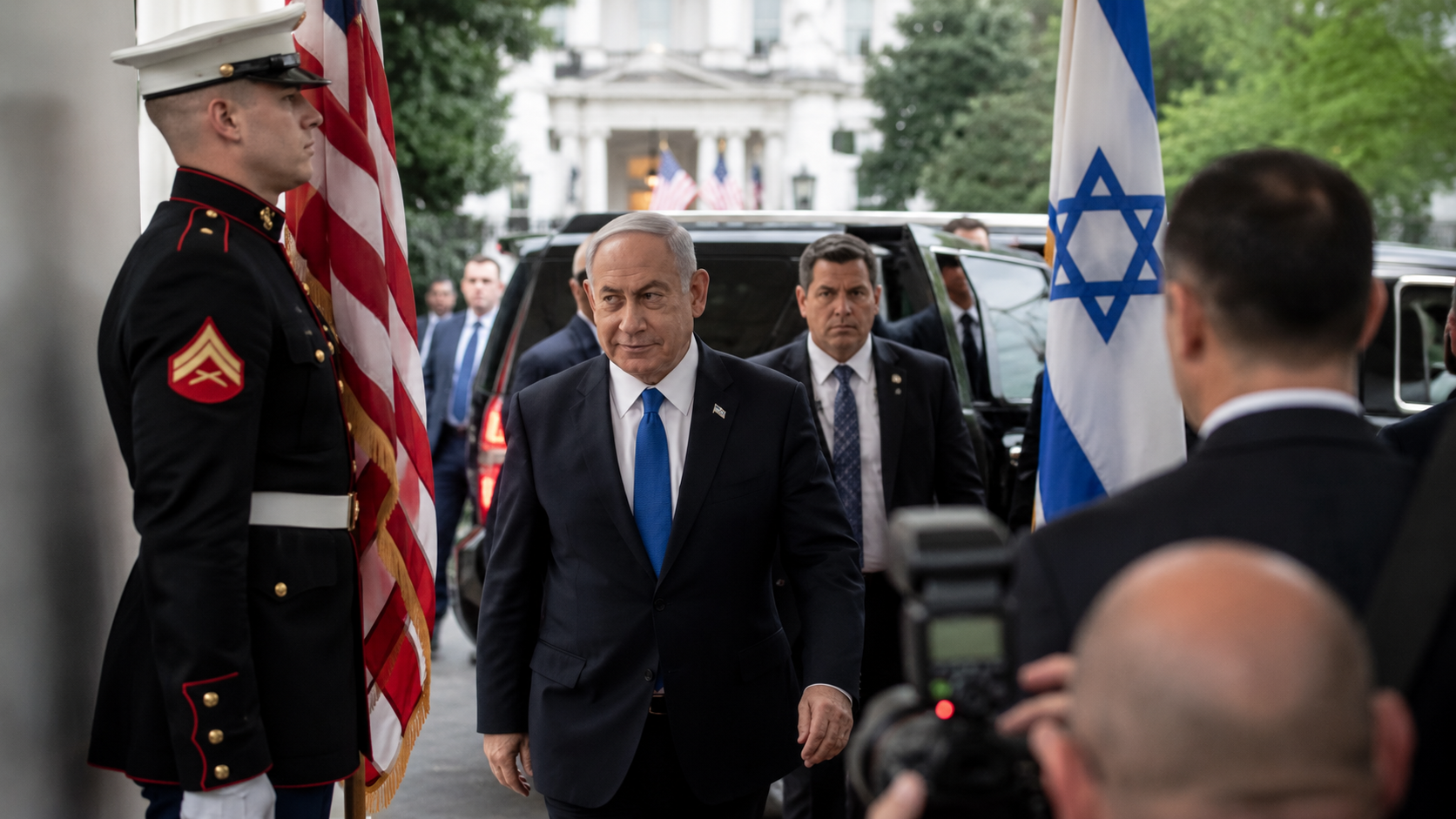
Netanyahu US visit plans put Israel's war diplomacy in focus as he seeks a possible Trump meeting, a senior Israeli official said.
The official said Wednesday that Israeli Prime Minister Benjamin Netanyahu will leave for the United States on Saturday. The trip comes as Israel is operating across two connected fronts: alongside the U.S. against Iran, and against Iran-backed Hezbollah in Lebanon.
Saturday trip raises stakes
The official said Netanyahu wants to meet Trump, but added that no meeting has been confirmed. That distinction matters because a confirmed session would turn the visit from routine diplomacy into a direct test of how closely Israel and Trump align on Iran, Lebanon and the terms of any de-escalation.
The timing also gives the trip a sharper edge. Iran demanded an end to the war in Lebanon as part of an interim agreement with Washington signed last month, according to the account, but renewed U.S.-Iranian hostilities have severely weakened that arrangement.
Two fronts shape the agenda
Israel's conflict position now runs through Tehran and Lebanon at the same time. One track involves joint U.S.-Israeli pressure on Iran, while the other centers on Hezbollah, the Iran-backed group facing Israel in Lebanon.
Those fronts are not separate for the governments involved. Iran's demand on Lebanon linked the Hezbollah battlefield to its bargaining with Washington, making any shift in U.S.-Iran contact relevant to Israel's northern conflict as well as its broader confrontation with Tehran.
The Lebanon track carries visible costs. Image information accompanying the account identified buildings damaged in Israeli strikes in Beirut's southern suburbs on July 6, 2026, underscoring that the fighting has reached dense urban areas tied to Hezbollah's base of support.
Trump meeting remains uncertain
The key open question is whether Netanyahu secures the meeting he wants. If he does, the discussion could tighten coordination between Netanyahu and Trump, giving Israel a clearer channel for shaping U.S. posture toward Iran and the Lebanon file.
If no meeting takes place, the visit would still signal that Netanyahu is trying to keep Israel's security agenda close to Washington's center of gravity. The difference would be practical: without a direct session, Israel's government would have less immediate ability to test Trump's priorities or press for explicit commitments.
For the global macro picture, the mechanism is risk pricing rather than a single data point. If U.S.-Iran hostility keeps worsening, markets and governments would have more reason to price in regional disruption, especially around energy expectations and diplomatic risk in the Middle East.
For Netanyahu's government, the trip is a chance to connect the Iran and Lebanon fronts in one diplomatic push. A confirmed Trump meeting would strengthen that effort; an unconfirmed or missed meeting would leave Israel working through less direct channels at a time when last month's interim deal is already under strain.
For the wider security and energy landscape, the next signals will come from three places: whether the U.S. meeting happens, whether Iran keeps tying Lebanon to its Washington negotiations, and whether renewed U.S.-Iranian hostilities further narrow the space for an interim settlement. Each path would shape how governments, defense planners and energy markets judge the durability of any pause in fighting.