Rutte NATO meeting with Trump spotlights Europe burden
NATO Secretary General Mark Rutte meets President Trump in Washington as the White House considers broader troop reductions in Europe ahead of next month’s…
Lauren Collins ·
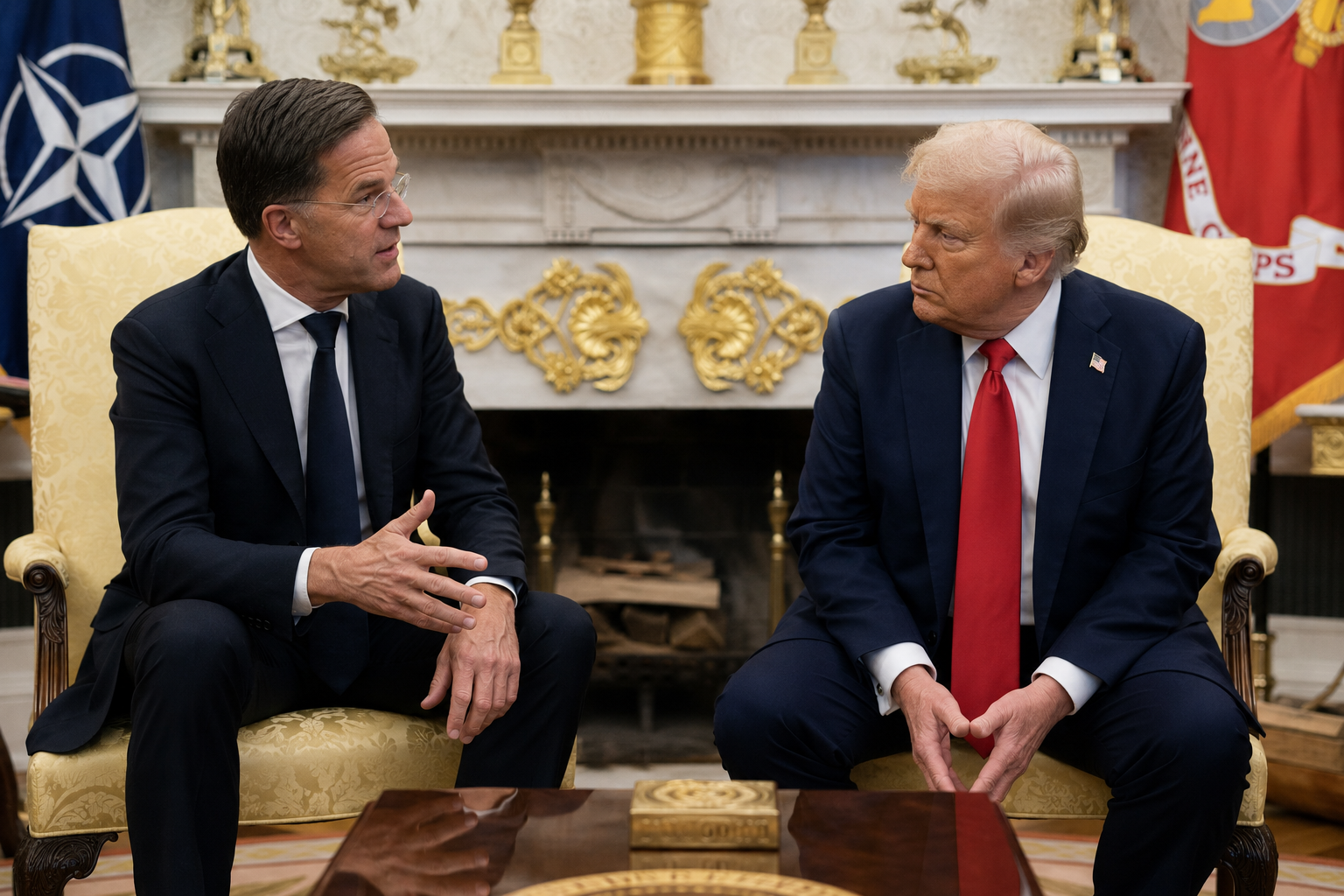
NATO Secretary General Mark Rutte heads to Washington this week as the Trump White House weighs a broader reduction of U.S. forces in Europe. The visit puts alliance burden-sharing and U.S. strategy back at the center of transatlantic politics ahead of next month’s NATO summit in Turkey.
Rutte is expected to meet with President Donald Trump in a session that allies view as a temperature check on the administration’s appetite for reshaping the American military footprint on the continent. Any move to thin forces could shift costs and responsibilities toward European governments already under pressure to expand defense spending.
Rutte’s pitch meets a skeptical White House
In diplomatic circles, Rutte has been tagged a “Trump whisperer,” a reflection of his effort to keep lines open with a president who has repeatedly clashed with European leaders and institutions. That approach has also made Rutte a lightning rod inside the alliance, where some members see public praise of Trump as risky politics rather than strategic necessity.
Rutte’s recent positive remarks about the Iran war have drawn criticism as well, adding to concerns that the secretary general is leaning too hard into flattery in hopes of moderating U.S. decisions. The immediate test in Washington will be whether relationship management can translate into clarity on force posture, spending expectations, and the alliance’s political cohesion.
Trump, for his part, has remained consistently at odds with Europe, even as NATO continues to rely on U.S. power for high-end capabilities and deterrence. The latest flare-up is a war of words with Italian Prime Minister Giorgia Meloni, once seen as one of Trump’s closer ideological allies in Europe.
Defense spending and “paper tiger” rhetoric
European defense commitments are expected to be a central focus of the Rutte-Trump meeting, particularly after sharp comments from Defense Secretary Pete Hegseth. In a meeting with fellow defense ministers, Hegseth described the alliance as a “paper tiger and a one-way street,” language that signals continued U.S. frustration with what it portrays as unequal contributions.
The political stakes are straightforward: if Washington cuts forces, European governments could face pressure to fill gaps in readiness, logistics, and regional presence. Those governments also have to sell higher defense outlays to voters balancing inflation concerns, social spending, and war fatigue, making timelines and benchmarks as important as topline pledges.
For the United States, a drawdown could free up resources for other priorities, but it also risks undercutting deterrence if allies read the shift as a weakening commitment. For Europe, the price of greater autonomy is higher spending and faster coordination—hard tasks for a bloc that often moves by consensus and increments.
Hormuz and the road to Turkey
The meeting is also set to touch on the reopening of the Strait of Hormuz, a strategic chokepoint for global energy flows and a recurring flashpoint in Middle East security. While NATO’s core mission is anchored in the North Atlantic area, alliance leaders often use Washington consultations to align messaging and expectations on crises that can spill into European economic and security interests.
Rutte’s visit comes just ahead of next month’s NATO summit in Turkey, which Trump is expected to attend. Summits typically lock in political commitments, but they also highlight rifts, and this one arrives with the alliance facing simultaneous questions about U.S. posture in Europe and cohesion among major European capitals.
In the near term, officials will be watching for any explicit signals about the scale or timing of a broader U.S. troop reduction, and whether Washington pairs warnings with concrete asks. The summit in Turkey will be the next formal checkpoint, but the real measure will be whether European leaders arrive with plans that match the administration’s demands—or risk hearing again that NATO is, in Hegseth’s words, a “one-way street.”