US Iran strikes expand as Trump presses Hormuz fight harder
US Iran strikes entered a fourth day as Trump threatened heavier attacks, raising pressure on Hormuz shipping and Brent crude near $86.
Lauren Collins ·
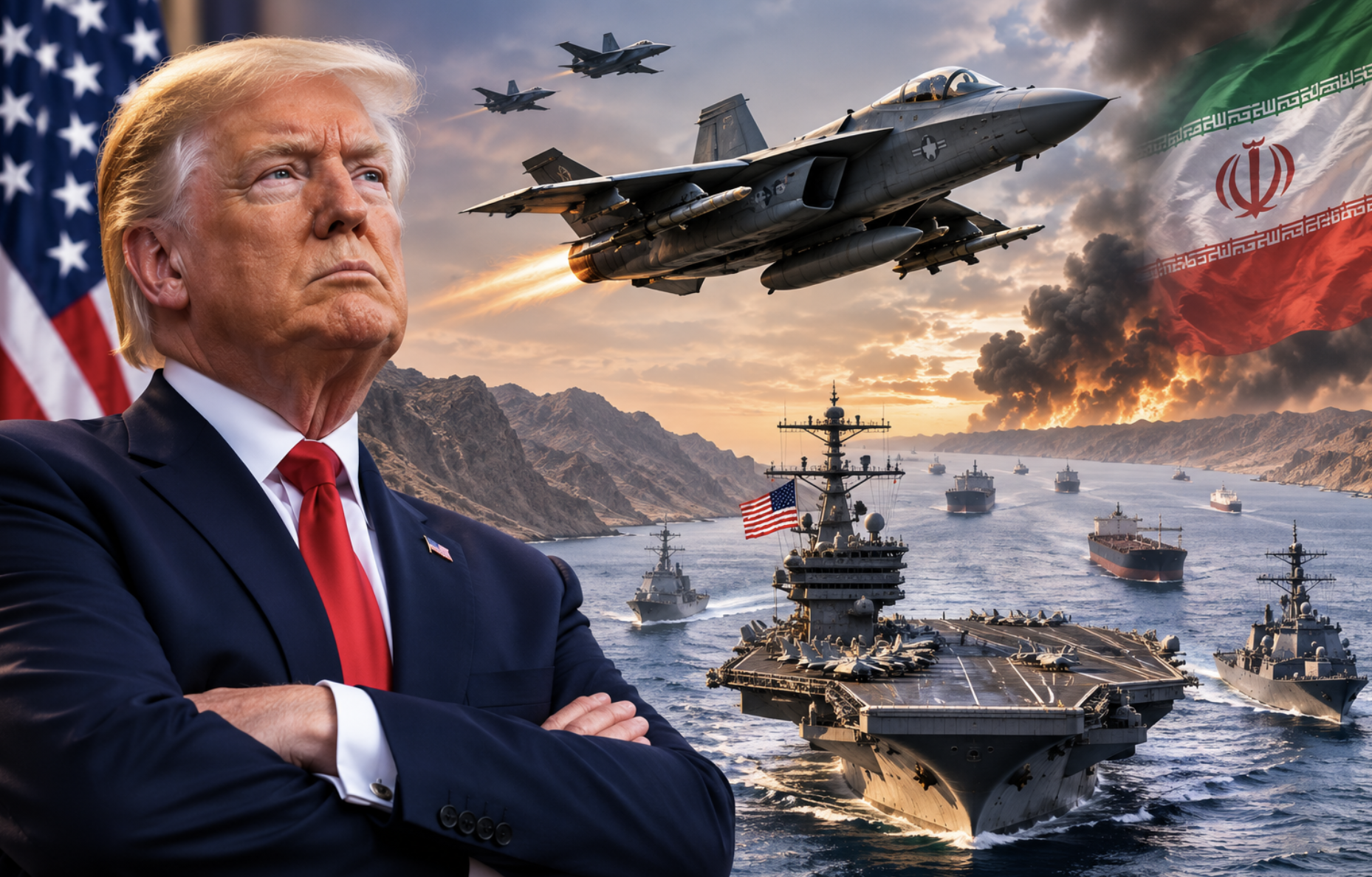
US Iran strikes entered a fourth day as Trump threatened heavier attacks, raising pressure on Hormuz shipping and Brent crude near $86. The confrontation now centers on who controls passage through the Strait of Hormuz, the Gulf chokepoint used by major energy exporters.
President Donald Trump said the U.S. bombing campaign would continue until Iran stops targeting vessels and agrees to reopen the route. American forces hit Iranian military sites overnight, and Tehran answered with strikes on U.S. bases in Gulf Arab states, including Kuwait and Bahrain.
Hormuz fight reaches tankers
The fighting follows the near-collapse of an interim U.S.-Iran peace arrangement signed roughly a month ago. The dispute sharpened over the past week after Iran began attacking ships it said were passing through the strait without its approval.
The waterway matters because Saudi Arabia, Qatar and the United Arab Emirates rely on it for most of their energy exports, according to the source account. Any disruption can quickly move from a military event into a pricing problem for oil, liquefied natural gas and shipping insurance.
Oil prices absorb the shock
Brent crude rose for a third straight session on Wednesday, trading close to $86 a barrel. The benchmark’s gain for the week reached 13%, reflecting a larger risk premium around cargoes moving through the Gulf.
Trump also ended a waiver on Iranian oil sanctions and restored a naval blockade before ordering further strikes. That combination puts pressure on Iran’s export revenue while increasing the chance that commercial shipping becomes part of the contest.
The U.S. campaign has so far focused mainly on military assets in southern Iran, including radar, missile and drone facilities. The current bombing remains below the intensity seen in March and early April, when Tehran and other large Iranian cities were repeatedly hit.
Trump signals broader target list
Trump used unusually direct language Tuesday: "We’re going to hit them very hard tomorrow night," he said. "We’re going to hit them very hard the night after."
He also warned that the target set could expand beyond military installations. "And then next week it gets really bad for them because next week comes the power plants. We’re going to knock out all of their bridges unless they get to the table and negotiate," Trump said.
Those remarks raise the stakes because power plants and bridges sit closer to civilian infrastructure than radar or drone sites. If Washington follows that path, the campaign could shift from coercive strikes on military capacity to pressure on Iran’s economic and logistical systems.
Gulf states face exposure
The immediate impact falls on U.S. forces in the Gulf, Iranian military units and commercial operators that depend on predictable passage through Hormuz. Kuwait and Bahrain are now part of the retaliation map after Iranian counterstrikes on U.S. bases there.
For Gulf energy exporters, the issue is not only whether cargoes can move, but at what cost. Higher perceived danger can lift freight rates, increase insurance costs and make buyers demand larger discounts or alternative supply arrangements.
The wider industry impact reaches refiners, airlines and petrochemical producers that are sensitive to oil costs. A sustained move higher in crude can feed into fuel prices, freight charges and inflation expectations, especially for economies that import most of their energy.
Two paths for the standoff
If vessel attacks stop and negotiations restart, the macro channel runs through oil: a lower risk premium would ease pressure on fuel-importing economies, while the Trump administration could claim that military pressure forced talks and Gulf producers would regain a clearer export route. The industry effect would likely show first in shipping costs, tanker scheduling and fewer emergency reroutes.
If Iran keeps challenging ships and the U.S. widens attacks to infrastructure, the mechanism reverses: crude could carry a larger geopolitical premium, Washington would own a bigger regional campaign, and insurers, tanker operators and Gulf energy exporters would face higher operating risk. The open questions are whether Iran can sustain attacks on vessels, whether U.S. strikes expand to civilian-linked infrastructure and whether either side still treats last month’s interim deal as salvageable.