Trump strategy shift raises Iran war risk
Trump’s third major military shift in the Iran war puts Hormuz risk back at the center of the conflict.
Mateo Fernandez ·
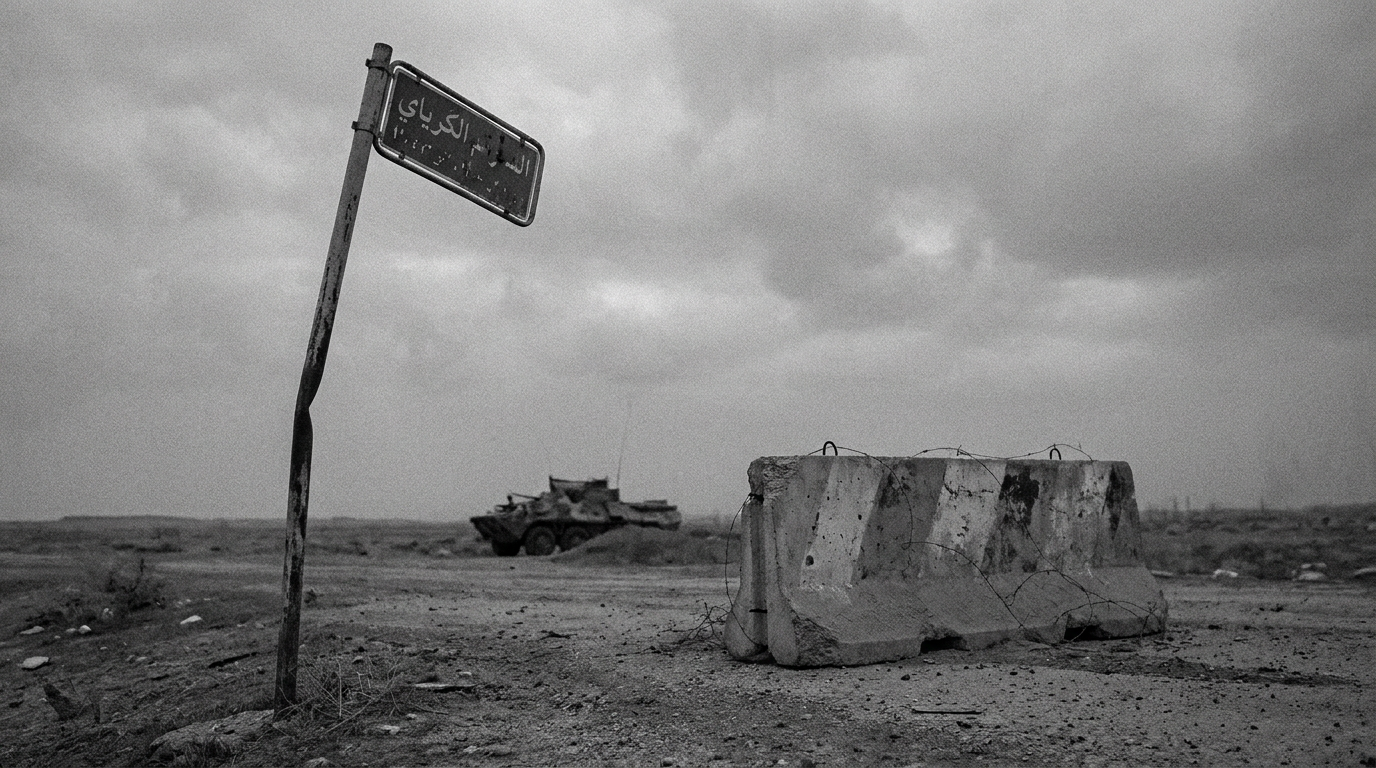
President Trump has moved U.S. military strategy into a third major shift in the nearly five-month Iran war, putting the Strait of Hormuz at the center of the next phase. The change raises the risk that a conflict already drawing in U.S. forces and Iran could spill more directly into energy shipping, insurance pricing and regional security calculations.
Reaction pending. The immediate market axis is geopolitics: any threat to Hormuz would be read first through crude oil, tanker rates, Gulf currencies and haven demand.
Hormuz risk enters Trump strategy
The shift comes as Trump looks for a way to reverse battlefield and diplomatic momentum against Iran. Officials have not detailed the full operational plan in the wire payload, leaving open whether the change involves naval positioning, air operations, cyber activity, sanctions enforcement or a mix of tools.
For global macro, the mechanism is straightforward. If Hormuz tensions stay contained, the main effect is likely a higher geopolitical risk premium rather than a durable shock. If shipping is disrupted or insurers reprice Gulf transit sharply, energy costs could tighten financial conditions and complicate inflation paths for major central banks.
For the U.S. administration, the upside is coercive leverage against Tehran. The risk is that a tactical effort to force a change in Iran’s position produces a wider confrontation that is harder to control.
By July 15, the key test will be whether U.S. officials provide operational detail or signal restraint; markets will treat silence, deployments and Iranian counter-signals differently.