US strikes Iran as Hormuz closure raises supply risk
Officials said fresh US strikes hit Iran after the IRGC closed the Strait of Hormuz, raising the risk of a wider supply shock.
Mateo Fernandez ·
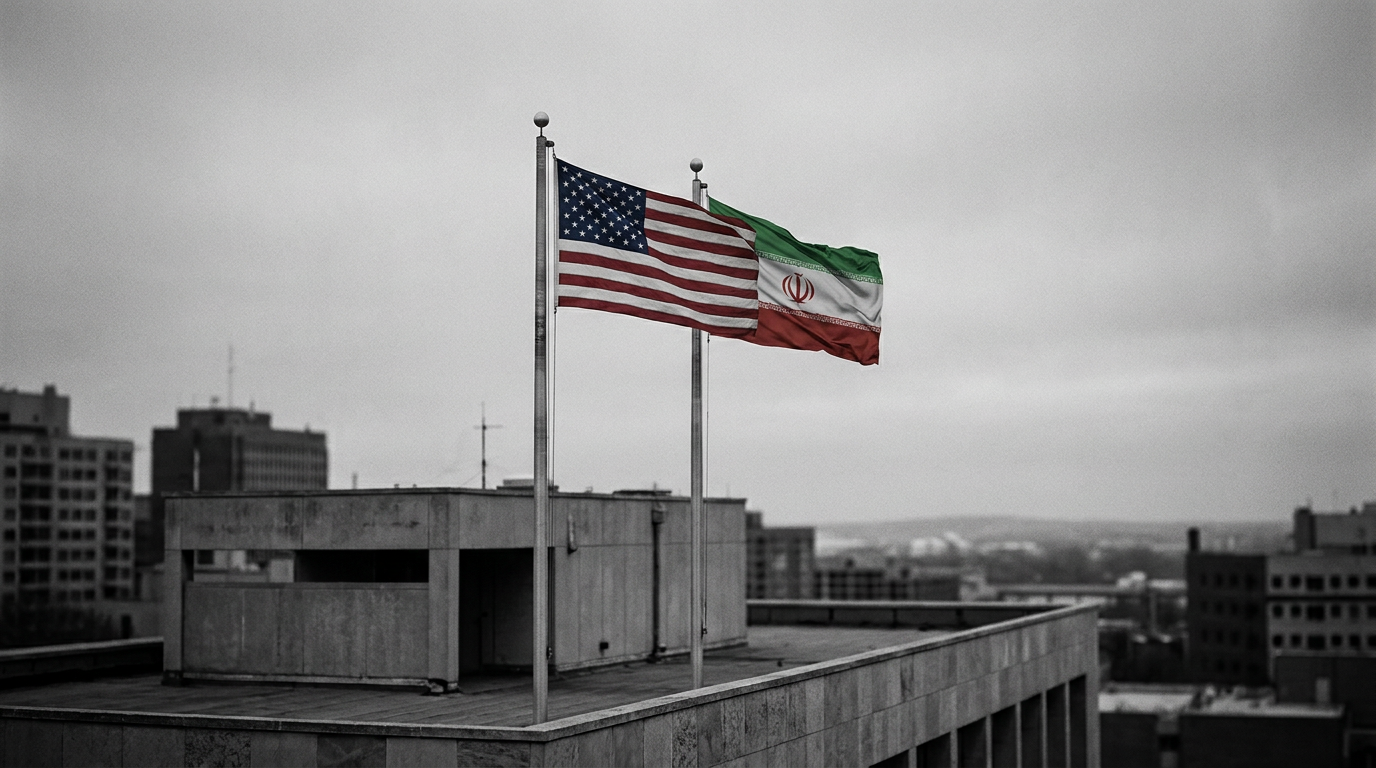
Officials said the US launched fresh strikes on Iran early Sunday, while Iran’s IRGC closed the Strait of Hormuz, turning a military exchange into a direct threat to one of the world’s most sensitive energy corridors. Reaction pending.
The report, if confirmed by official statements from Washington and Tehran, would mark a sharp escalation in a confrontation already carrying global spillover risk. The Strait of Hormuz is a strategic chokepoint for seaborne oil and gas flows from the Gulf, so any sustained disruption would push the crisis beyond regional security and into inflation, shipping and growth channels.
Hormuz closure lifts supply shock risk
For policymakers, the immediate concern is duration.
If the closure is brief and shipping resumes under military
escort, the macro effect may be concentrated in risk premiums, insurance costs and short-term energy volatility.
If the passage remains shut or contested, the mechanism changes
delayed cargoes, higher freight rates and tighter physical supply would pressure importers and complicate central bank efforts to control inflation.
For the US, the strikes raise the stakes around deterrence and force protection. For Iran, the IRGC’s reported move puts its leverage on the most visible route available, but also increases the risk of a broader military response. Energy producers, refiners, airlines and shipping firms would be the first sectors forced to reprice operations.
The next 24 hours through July 13, 2026, will determine whether this remains a contained military episode or becomes a sustained disruption to Gulf trade.