US strikes Iranian sites after Hormuz attacks
Washington hit Iranian military infrastructure after accusing Tehran of attacks on commercial vessels in the Strait of Hormuz.
Mateo Fernandez ·
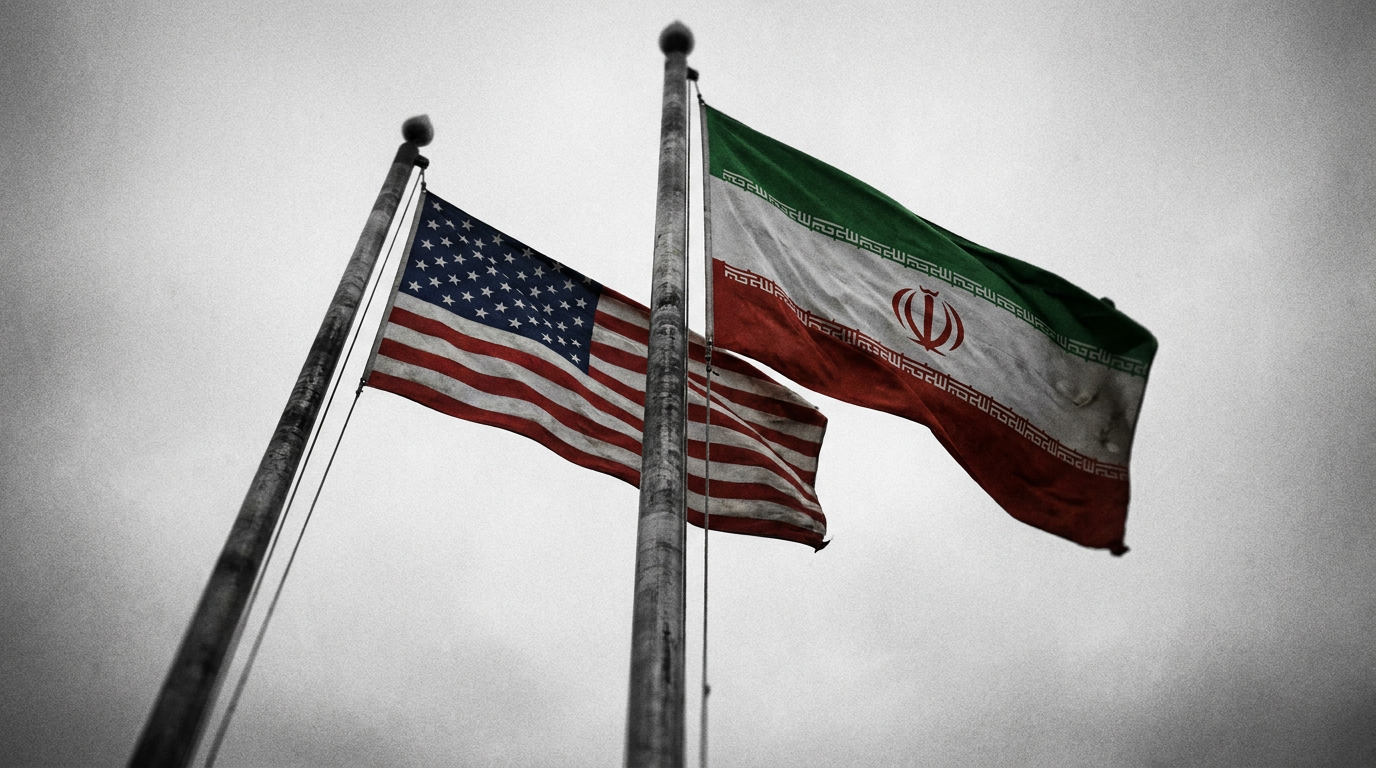
The United States launched fresh strikes on Iranian military infrastructure on July 8 after accusing Tehran of attacking commercial vessels in the Strait of Hormuz, officials said. The action escalates a confrontation centered on one of the world’s most sensitive oil transit routes.
Officials also said an oil sanctions waiver was revoked, adding a financial pressure track to the military response. The step signals that Washington is seeking to raise costs on Tehran beyond the immediate battlefield.
Hormuz risk reaches oil corridor
The Strait of Hormuz is the central risk in this escalation because any disruption there can quickly move from a regional security event into an energy-market shock. Commercial shipping attacks raise insurance, routing and supply-risk questions even before physical flows are confirmed to be affected.
For Iran, the strikes place military assets and sanctions exposure under simultaneous pressure. For energy producers, refiners and shippers, the practical concern is whether the confrontation stays limited to targeted action or expands into repeated threats against vessels.
The macro channel is oil, inflation and policy caution. If shipping remains open and retaliation is contained, the global impact may be concentrated in risk premiums. If attacks continue or vessels avoid the route, crude prices could face sharper pressure, with knock-on effects for importers and central banks.
The next 24 hours on July 8, 2026, will be critical for official damage assessments, shipping advisories and any Iranian response.