Hormuz fee plan advances despite U.S. opposition
Iran and Oman are pressing a Strait of Hormuz payment proposal while a 60-day accord keeps ship passage free.
Mateo Fernandez ·
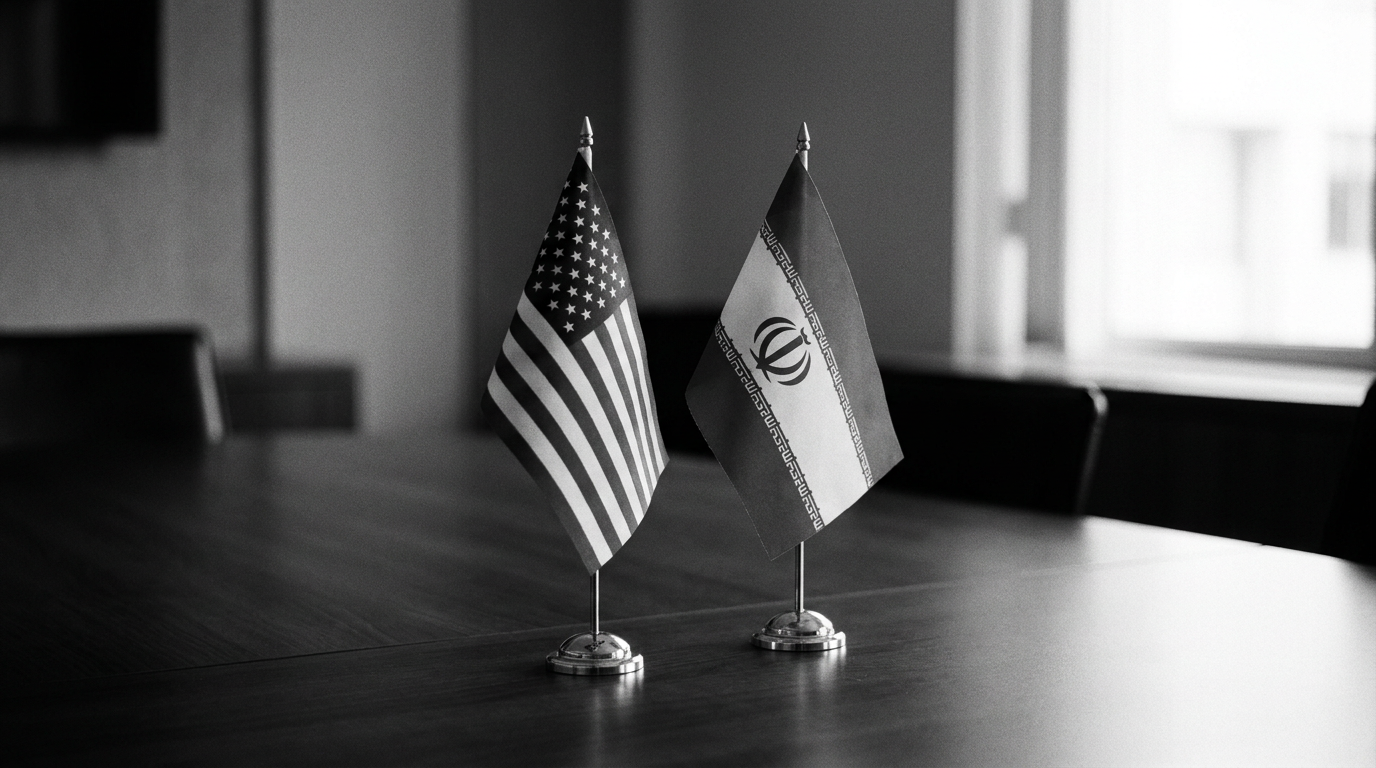
Iran and Oman are pressing ahead with a proposal for ships using the Strait of Hormuz to make payments tied to maritime services, officials said, setting up a dispute with Washington over a waterway central to Gulf energy flows. U.S. opposition has focused on the risk that any fee system could complicate freedom of navigation through the chokepoint.
The plan draws on arrangements used around the Straits of Malacca and Singapore, where shipping-related payments help fund safety and navigation services, officials said. Oman has presented the Hormuz idea as voluntary service fees for maritime safety, while Iran has pushed for mandatory tolls on vessels transiting the strait.
Hormuz toll split tests accord
A temporary peace accord guarantees free passage for 60 days, giving the sides time to negotiate without immediately disrupting traffic, officials said. The core disagreement is whether the mechanism is a service charge that ship operators can choose to pay or a compulsory levy on passage.
For global markets, the mechanism matters more than the label.
If the fees remain voluntary and linked to clearly defined safety
services, the macro impact is likely to be limited to compliance costs and insurance scrutiny. If mandatory tolls take shape, shipping companies could face higher operating costs and governments could treat the measure as a challenge to open sea lanes.
The industry risk is escalation by procedure rather than force
port documentation, vessel reporting and payment systems could become points of friction.
If the 60-day clock runs from July 1, the free-passage guarantee would
reach late August, making the next negotiation window the key test for whether Hormuz stays a safety-fee debate or becomes a toll dispute.