Iran halts Tehran–Mashhad trains after reports of blasts in Bushehr
Iranian semi-official media reported multiple explosions in Bushehr, home to Iran’s only nuclear power plant, as separate reports claimed Tehran suspended…
Omar Farouk ·
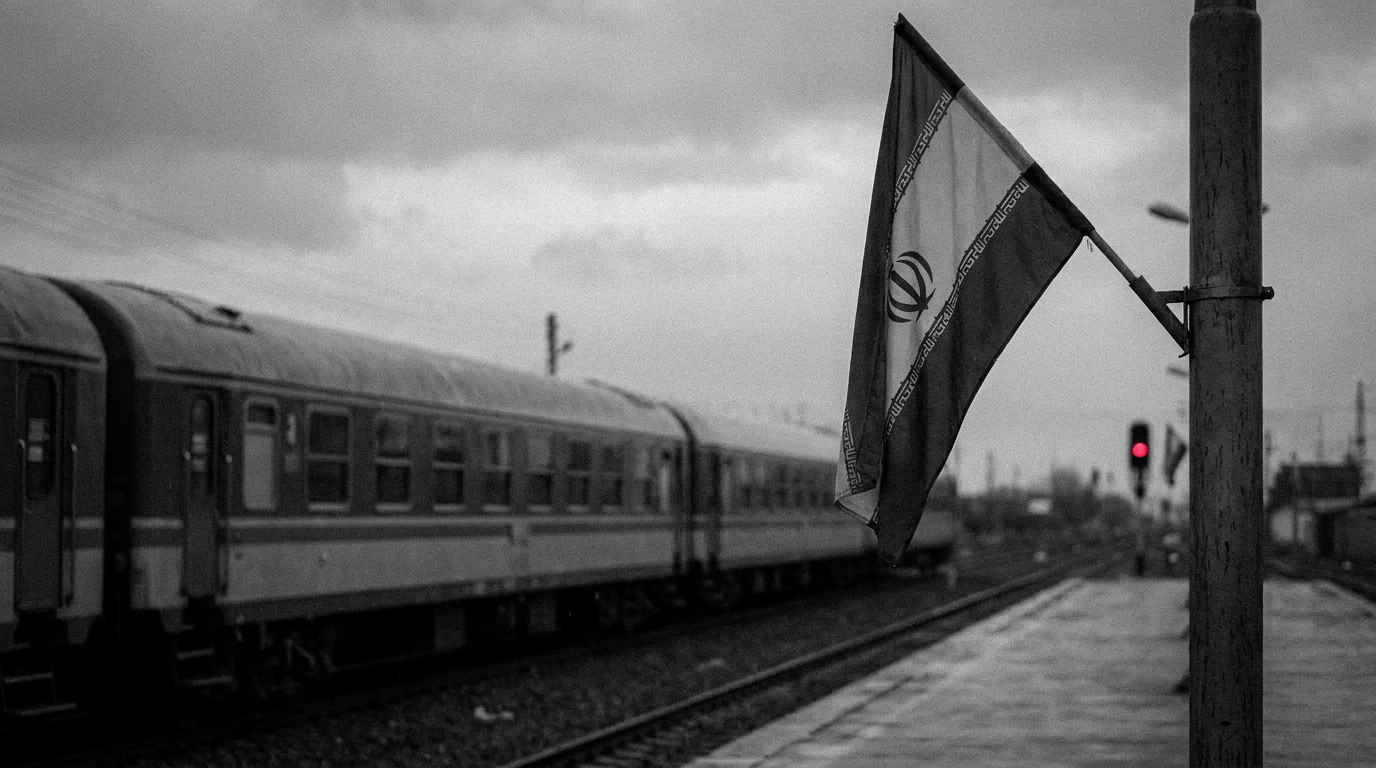
Iranian semi-official media reported that several explosions were heard in Bushehr province on Thursday morning, a sensitive location because it hosts Iran’s nuclear power plant. Separately, claims circulated that Iran suspended Tehran–Mashhad train services after a reported US strike on a bridge, though the available signal does not provide official confirmation or matching details tying the two reports together.
The mismatch between the incident described in the summary (explosions in Bushehr) and the headline claim (train suspensions after an alleged US strike on a bridge) makes basic verification the first order of business. Without statements from Iranian authorities or US officials, the “reported US strike” framing should be treated as an allegation rather than a settled fact.
Bushehr province is strategically important because it hosts
Bushehr province is strategically important because it hosts Iran’s nuclear power plant, a longstanding symbol of the country’s civil nuclear program and a persistent focus of regional security scrutiny. Any reports of explosions there tend to trigger immediate speculation about sabotage, military action, or accidents, even when initial information is fragmentary.
The Tehran–Mashhad rail corridor is one of Iran’s most important domestic routes, linking the capital to the country’s second-largest city and a major pilgrimage destination. If rail services were suspended, it could reflect infrastructure damage, security precautions, or a localized incident; however, the signal provided here does not include an Iranian government statement, rail operator notice, or corroborating details such as the bridge’s location.
If explosions in Bushehr were connected to critical infrastructure, the political stakes would rise quickly inside Iran and across the Gulf. Even unverified reports can move regional risk perceptions because Bushehr sits near major energy shipping lanes and Gulf Arab states that closely track any sign of escalation involving Iran and the United States.
For global spillover
For global spillover, the immediate transmission channels are energy and shipping: heightened tension around Iran often feeds into risk pricing for Gulf crude flows and maritime insurance, and it can sharpen concerns about chokepoints such as the Strait of Hormuz and Bab al-Mandab. If claims of a US strike were officially confirmed, it would also pressure regional alliances and retaliation calculations, increasing the risk of tit-for-tat actions that disrupt trade routes.
By 2024-07-20, watch for falsifiable signals: public statements from Iranian institutions such as the Ministry of Foreign Affairs, the Islamic Revolutionary Guard Corps (IRGC), or the Atomic Energy Organization of Iran regarding what caused the reported Bushehr explosions, plus any official notice from Iran’s rail authorities about Tehran–Mashhad service changes and the specific bridge location. In parallel, any on-the-record US government response addressing the “reported US strike” claim would sharply narrow the range of plausible interpretations.