

Iran and Belarus plan joint power plant repair facility
Tehran and Minsk aim to establish a joint repair center to maintain critical energy infrastructure amid ongoing Western sanctions.
Technical cooperation grows
Iran and Belarus are moving to establish a joint facility for the repair and maintenance of power plant equipment. The announcement followed high-level discussions between Iranian energy officials and Belarusian counterparts, signaling a formal shift toward mutual industrial support.
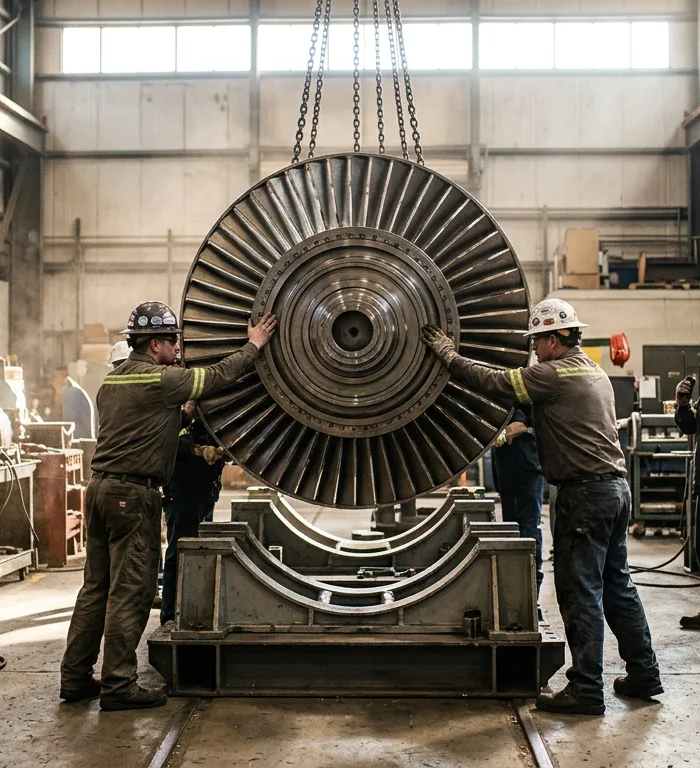
This partnership centers on the capabilities of MAPNA Group, Iran’s state-backed infrastructure conglomerate. Iran has indicated readiness to export its domestically manufactured gas turbines and wind energy components to Belarus and Tatarstan, as both nations look to secure their power grids against external supply chain disruptions.
Buffering energy grids
For Belarus, the cooperation offers a critical pathway to sustain its energy infrastructure while navigating extensive Western sanctions. By leveraging Iranian engineering expertise, Minsk aims to mitigate the long-term impact of its restricted access to conventional Western technology providers.
Tehran’s pursuit of this agreement reflects its wider strategy to secure technological sovereignty through energy diplomacy. By positioning its industrial equipment within the Commonwealth of Independent States orbit, Iran seeks to establish itself as a viable alternative supplier for nations facing similar geopolitical and economic isolation.
Sustaining regional infrastructure This move carries implications for the broader stability of energy networks in sanctioned economies.
If the partnership succeeds, it could set a template for other nations to bypass technology controls through regional industrial alliances, potentially creating a secondary supply chain for heavy power infrastructure that operates independently of Western standards.
Conversely, the initiative faces significant hurdles related to logistical integration and technical compatibility. The long-term viability of this export strategy remains contingent on the ability of Iranian-made equipment to meet the operational demands of Belarusian power stations, which were historically designed around non-Iranian technical specifications.
Future integration milestones
Market observers will monitor the project for signed contracts detailing the specific assembly or maintenance timelines for MAPNA turbines within Belarusian territory. Evidence of a formal joint venture entity with verified production milestones by June 30, 2025, would confirm the implementation of this technical alliance.
More stories
- Germans oppose Ukraine aid as poll shows support slipping
- Kim Jong-un receives 10 envoys after constitutional shift
- Ukraine claims Libya strike sinks Russian naval corvette
- COP31 climate talks collapse over fossil fuels and funds
- Russian military faces 1,087 recorded suicides in Ukraine war
- US faces China, Russia in Africa minerals contest
- CIR places 25 Sudan commanders at reported sexual-violence sites
- Brent heads for fourth monthly gain as Middle East risk persists
- France limits protests as Paris braces for more closures
- Portugal housing shortage prompts call for more building
Latest news
- Trump prepares tariffs on China and other major exporters
- New-car buyers pay record average $50,087 in October
- Banks face ECB reserve debate over liquidity and profits
- Investors see Anthropic debut gains fade below $83 a share
- Iraq orders federal control over Kurdish-area oilfields
- Nvidia shares retreat as AI rally cools before PCE data
- Macy’s parade faces balloon limits as storm winds approach