Indonesia Mobilizes Cities Against Rising Extreme Heat Threat
Indonesian cities are accelerating climate adaptation to combat extreme heat, protecting millions in vulnerable settlements from rapid urbanization.
Mei Lin ·
Urban Heat Imperative
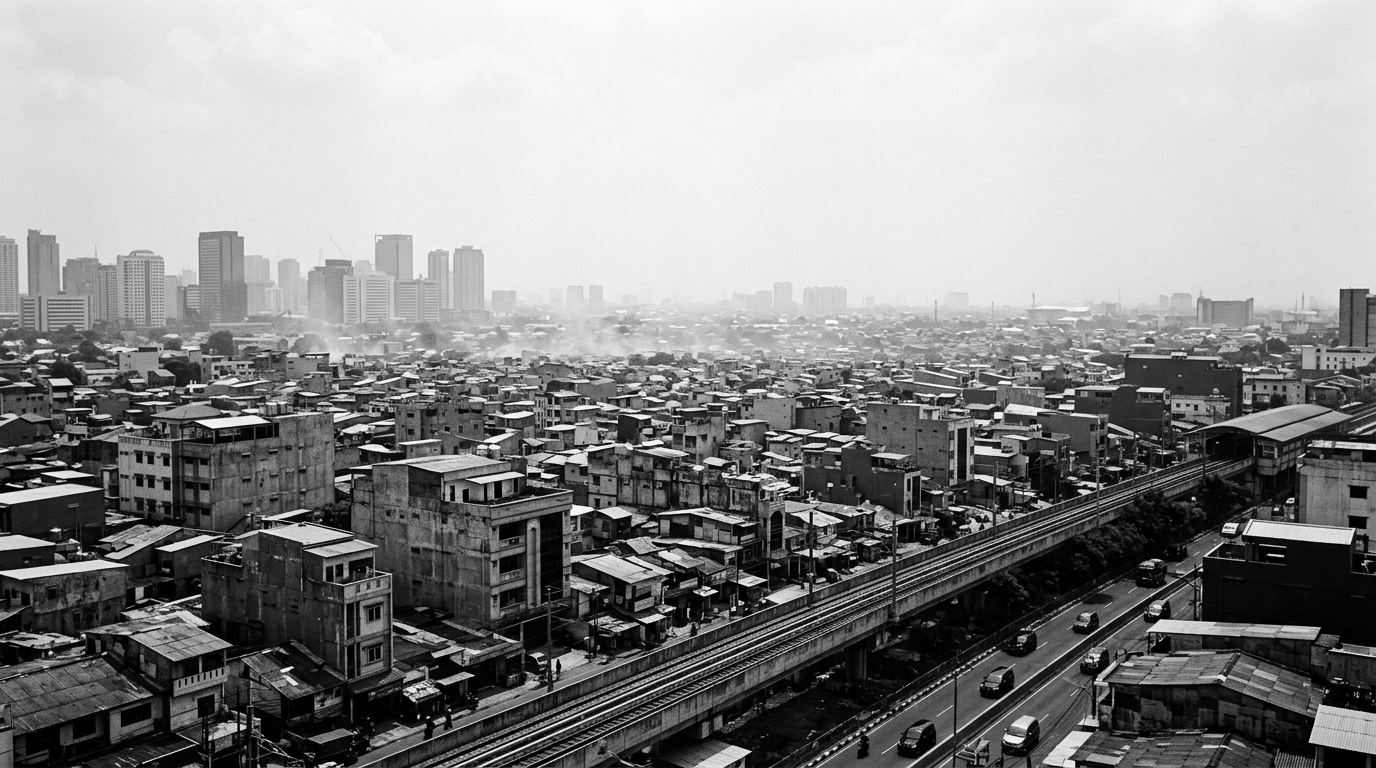
Indonesia's rapidly expanding urban centers are intensifying efforts to counter extreme heat, a growing threat exacerbated by climate change. Cities like Makassar are implementing climate adaptation strategies to protect their populations, particularly residents of informal settlements who are most vulnerable to rising temperatures and inadequate infrastructure. This push reflects a broader regional challenge as Southeast Asian nations grapple with the direct consequences of a warming planet.
Background on Vulnerability
Southeast Asia, including Indonesia, faces disproportionate impacts from global climate change, manifesting in more frequent and intense extreme heat events. Indonesia, an equatorial nation with a large archipelago, experiences persistent high temperatures and humidity. Its urban areas are growing swiftly; by 2045, approximately 60% of Indonesia's projected 330 million people are expected to reside in cities, according to government projections. This rapid urbanization often outpaces infrastructure development, leading to the proliferation of informal settlements. These areas, characterized by dense housing, limited green spaces, and materials like corrugated metal roofs, create 'heat islands' that trap warmth, making them significantly hotter than surrounding areas and amplifying health risks for millions of inhabitants.
The economic and social consequences of prolonged urban heat are substantial. Heat stress can reduce labor productivity, particularly in outdoor and manual sectors, impacting national economic output. Public health systems face increased strain from heat-related illnesses, including dehydration, heat stroke, and cardiovascular issues. Vulnerable populations, such as children, the elderly, and those with pre-existing conditions, are at heightened risk. These challenges complicate Indonesia's development goals and test the resilience of its urban fabric, potentially widening socio-economic disparities within cities.
Regional and Global Implications
Indonesia's approach to urban heat adaptation has significant regional implications for the Association of Southeast Asian Nations (ASEAN). As a leading economy and the most populous country in the bloc, successful mitigation efforts in Indonesia could provide a blueprint for neighboring nations facing similar climate vulnerabilities and rapid urbanization. Conversely, a failure to effectively address urban heat could exacerbate regional migration pressures, strain cross-border health systems, and disrupt regional supply chains as productivity declines in key manufacturing hubs. The cumulative effect of unchecked climate impacts in major economies like Indonesia could also slow global economic growth and hinder international efforts to achieve sustainable development goals. International bodies and development banks are closely watching these localized efforts as indicators of broader climate resilience in the Global South.
Path Ahead for Adaptation
Urban heat adaptation in Indonesia will necessitate a multi-faceted approach, combining infrastructure upgrades with community-based solutions. Investment in green infrastructure, such as urban parks and tree planting, is critical for lowering ambient temperatures. Enhancing building codes to promote heat-resistant materials and designs, particularly in new housing and informal settlement upgrades, offers long-term benefits. Early warning systems for heatwaves and public health campaigns are vital for immediate risk management. These initiatives often require significant capital investment and close coordination between national, provincial, and municipal governments, alongside international partners like the United Nations Human Settlements Programme (UN-Habitat), which supports climate-resilient urban development.
Indonesia's trajectory in urban climate resilience will also shape its standing in global climate negotiations and its ability to attract green investment. Demonstrable progress in protecting its urban populations from extreme heat could enhance its reputation as a leader in climate action. Conversely, insufficient action could undermine its economic stability and social cohesion, affecting both domestic and international confidence. The outcome of these urban adaptation efforts will offer a crucial case study for other developing nations grappling with similar challenges, illustrating either the success of proactive climate governance or the profound costs of delay.