

India Faces Strategic Impasse Over Military Theaterization Reform
Internal disagreements over the centralization of air assets have stalled India’s transition to a unified theater command structure, necessitating increased…
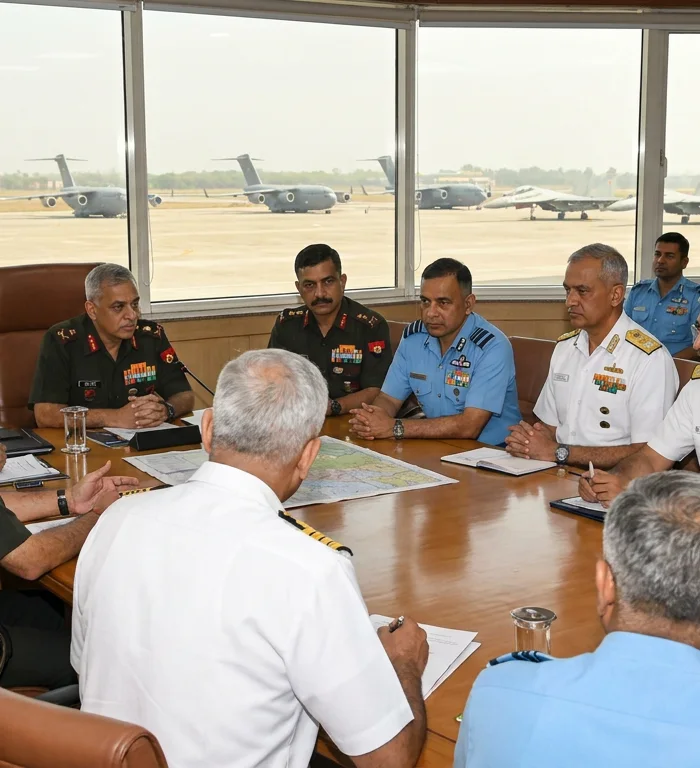
India’s military leadership remains divided over the proposed transition from 17 single-service commands to a unified theater command structure. The current model, consisting of seven Army, seven Air Force, and three Navy commands, is criticized for creating operational duplication and slowing response times. Proponents argue that theaterization is necessary to institutionalize tri-service coordination, moving beyond the ad-hoc cooperation observed during the 2025 Operation Sindoor.
The primary obstacle to reform is the Indian Air Force’s (IAF) resistance to the permanent geographical distribution of its assets. The IAF maintains that its combat power, characterized by speed and range, must remain centrally managed to ensure flexibility across multiple theaters. Conversely, the Army and Navy advocate for dedicated air support integrated directly into regional theater commands. This disagreement centers on whether operational authority should reside with a theater commander or remain under the control of individual service branches.
Institutional momentum, including the 2019 creation of the Chief of Defense Staff and the 2023 Inter-Services Organizations Act, has failed to resolve these structural disputes. While the Andaman and Nicobar Command has functioned as a limited tri-service model since 2001, its small scale and specific geography offer limited utility as a blueprint for larger, more complex theaters. The debate highlights a significant governance challenge: the reliance on inter-service consensus to drive major defense restructuring.
Analysts suggest that the lack of progress reflects a need for stronger political intervention. Because theaterization requires the redistribution of authority among institutions with a history of operational autonomy, the current impasse may persist without clear directives, timelines, and a finalized organizational framework from political leadership. Failure to resolve these differences risks leaving the military structure vulnerable to inefficiencies during a major security crisis.
More stories
- Germans oppose Ukraine aid as poll shows support slipping
- Kim Jong-un receives 10 envoys after constitutional shift
- Ukraine claims Libya strike sinks Russian naval corvette
- COP31 climate talks collapse over fossil fuels and funds
- Russian military faces 1,087 recorded suicides in Ukraine war
- US faces China, Russia in Africa minerals contest
- Megaspeed faces US scrutiny over $3bn asset jump
- US pauses Iran military action after 8 months of war
- Japan weighs defense plan worth up to $508bn, sources say
- Midvaal transformer failure leaves 116 homes without power
Latest news
- Trump prepares tariffs on China and other major exporters
- New-car buyers pay record average $50,087 in October
- Banks face ECB reserve debate over liquidity and profits
- Investors see Anthropic debut gains fade below $83 a share
- Iraq orders federal control over Kurdish-area oilfields
- Nvidia shares retreat as AI rally cools before PCE data
- Macy’s parade faces balloon limits as storm winds approach