

Japan weighs defense plan worth up to $508 bn, sources say
Japan is weighing a defense plan of up to $508 billion, two sources say, compared with its smaller existing five-year allocation.
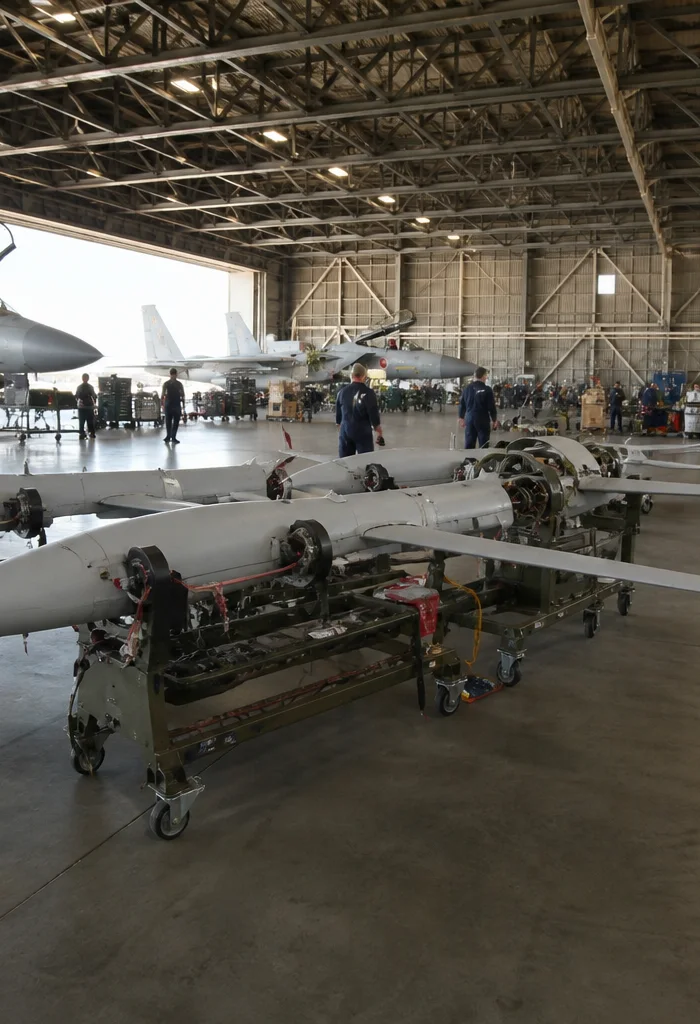
Japan is weighing a defense plan of up to $508 billion, two sources say, compared with its smaller existing five-year allocation.
The government and its ruling coalition are discussing between 70 trillion and 80 trillion yen for a five-year program starting in April 2027, according to two people familiar with the deliberations. That compares with roughly 43 trillion yen under the existing program, which started in fiscal 2023.
The discussions concern Prime Minister Sanae Takaichi’s effort to expand Japan’s military capabilities, the people said. The proposed range is not an approved allocation, and the defense ministry declined to comment.
Budget talks intersect with security revisions
The amount remains open to revision as officials prepare the budget ahead of the end of the year and update three documents governing security policy, according to the people. Those parallel processes leave both the financial scale and the policy framework under discussion.
One person put the possible final allocation in the middle to upper portion of the 70 trillion yen range. That person also questioned whether the amount would meet Japan’s needs given conditions in East Asia, while emphasizing that the government and coalition partners were still debating it.
The existing program already represents an increase over an earlier allocation of 27.5 trillion yen. Drawn up in late 2022, it prioritized missiles with longer reach for counterstrike operations, alongside ammunition and replacement components for military hardware.
Those priorities provide a comparison for the new deliberations: Japan is considering another increase after an earlier expansion, rather than setting its first higher spending target. The proposed April 2027 start also precedes the end of the existing five-year period; the supplied account does not explain how commitments under the two programs would be reconciled.
Drones and yen shape purchasing choices
One person familiar with the discussions said the proposed funding was expected to support purchases including drones in large quantities. The person also attributed higher equipment procurement costs to the yen’s weakness, identifying an expense pressure alongside the planned capability expansion.
If exchange-rate pressure persists, a larger yen allocation could partly cover higher acquisition costs rather than translate entirely into additional equipment. If that pressure eases, the same allocation could leave more room for purchases, although the account provides no exchange-rate assumptions or equipment prices with which to assess either scenario.
For defense suppliers, any benefit would depend on the eventual purchasing mix and contract awards, not simply the size of the spending ceiling. No manufacturers, contract values or split between domestic and overseas purchases were identified, preventing a company-specific assessment or an estimate of cross-border demand.
The financing arrangements are also unspecified, limiting any assessment of effects on borrowing, taxes or other public spending. The next substantive tests are the allocation emerging from year-end budget negotiations and the revised security documents, including whether they clarify drone procurement, purchasing costs and the transition between spending programs.
More stories
- Budi seeks WHO dues above 50% to steady funding
- Midvaal transformer failure leaves 116 homes without power
- Canada seeks EU carbon-tax relief as energy ties deepen
- Johor-Singapore SEZ draws projects tied to 28,755 jobs
- Nigeria state police plan wins 30 assembly endorsements
- Nigerian banks lift prime rates in 8 sectors despite CBN cuts
- Zelensky urges Trump to press Putin into ceasefire talks
- France limits protests as Paris braces for more closures