

Zelensky urges Trump to press Putin into ceasefire talks
President Volodymyr Zelensky urged President Trump to pressure President Vladimir Putin into negotiations, arguing that Ukraine already views a ceasefire as…
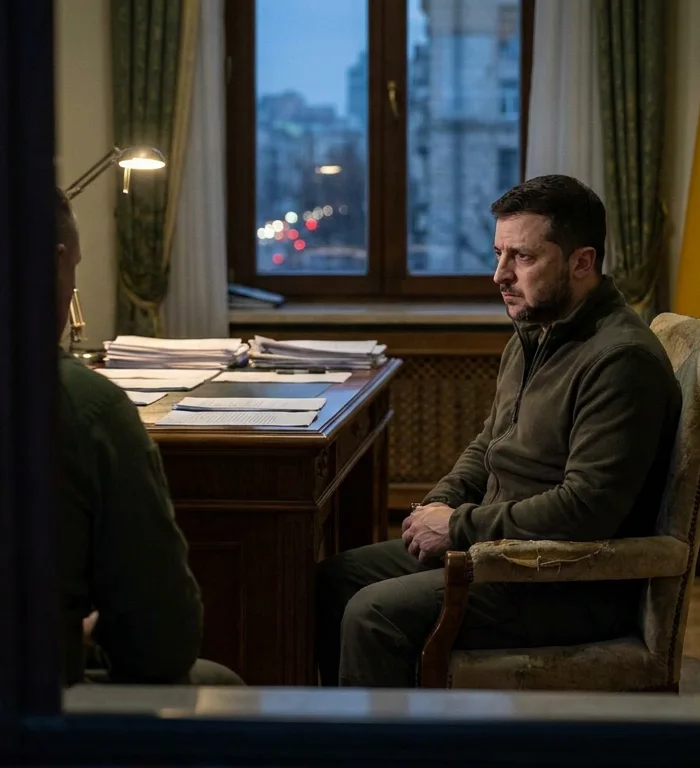
President Volodymyr Zelensky urged President Trump to pressure President Vladimir Putin, challenging Washington’s approach to Ukraine negotiations.
Speaking with Steven Bartlett on The Diary of a CEO, Zelensky argued that Trump should direct tougher language toward Russia’s president rather than reserve it for Ukraine’s leadership. He presented a ceasefire and negotiations as concessions Ukraine would already be making, challenging the premise that Kyiv had yet to demonstrate willingness to compromise.
Zelensky seeks pressure on Putin
The appeal followed confrontations during Zelensky’s White House visits and criticism from Trump of his presidency. Zelensky drew a comparison between that treatment and Trump’s approach to Putin, asking whether the US president should speak about the Russian leader in similarly critical terms.
Zelensky asserted that Trump could bring Putin into negotiations, but that was the Ukrainian president’s assessment of American leverage, not an announced diplomatic breakthrough. His remarks offered no specific mechanism by which tougher language would secure Russian participation or agreement.
The distinction matters for interpreting the appeal: Zelensky was asking Washington to change how it applies pressure, rather than describing a new negotiating arrangement. If Trump adopted the approach Zelensky advocated, its diplomatic value would depend on whether Russia responded by engaging in talks; criticism alone would not establish that outcome.
A ceasefire counts as compromise
Zelensky’s argument centered on what Ukraine should be expected to concede before negotiations. Responding to Trump’s calls for compromise, he said: “A ceasefire and sitting down at the negotiating table is a major compromise”.
That formulation places participation in talks within Ukraine’s account of concessions, rather than treating negotiations solely as a preliminary step toward them. It does not, however, identify terms for a settlement, conditions for enforcing a ceasefire or points on which the two presidents agree.
The political appeal accompanied a personal account of the war’s toll. Zelensky became visibly emotional and described sleeplessness and distress, linking his discussion of diplomacy with the burden he said the conflict imposed on him.
Trump relationship claims remain speculative
Asked why Trump had not acted more forcefully against Putin, Zelensky speculated about personal connections or possible economic proposals. He explicitly acknowledged the limits of his knowledge: “I can’t tell you. I don’t know everything.”
Those remarks do not establish that undisclosed arrangements exist between the leaders. They are conjecture from a president seeking stronger US pressure on Russia and should be distinguished from his direct appeal for a different negotiating approach.
Zelensky also disputed claims linking Ukrainian strikes on Russian petroleum facilities to higher American fuel prices. His rejection was not accompanied by pricing figures or other evidence establishing the attacks’ effect on US consumers.
The immediate diplomatic uncertainty is whether Trump will apply the pressure Zelensky requested and whether Putin would respond. Any resulting talks would still leave the separate question of agreement on a ceasefire unresolved.
More stories
- Venezuela protests seek elections as vote dates stay unset
- Xizang earthquake blocks highway as crews build shelters
- Typhoon Champi weakens but keeps Taiwan largely shut down
- France limits protests as Paris braces for more closures
- Portugal housing shortage prompts call for more building
- Canada signs Turkey partnership to widen global trade options
- South Africa shootings kill 27 around its biggest cities
- EU hybrid defense plan tests NATO role on Russia threats
Latest news
- Bruno Fernandes keeps United captaincy after Como criticism
- Oil rises as Aramco staff reportedly told to leave offices
- Damages dispute puts Trump finances at center of lawsuit
- Apple Finally Folds, and the Critics Are Mostly Charmed
- Citi gets China securities license, now faces scale test
- Oil and Iran frame Trump’s pitch before November midterms