

Nigeria state police plan wins 30 assembly endorsements
The proposed shift from a centralised force exceeds constitutional approval, but a new policing bill must establish vital safeguards and oversight.
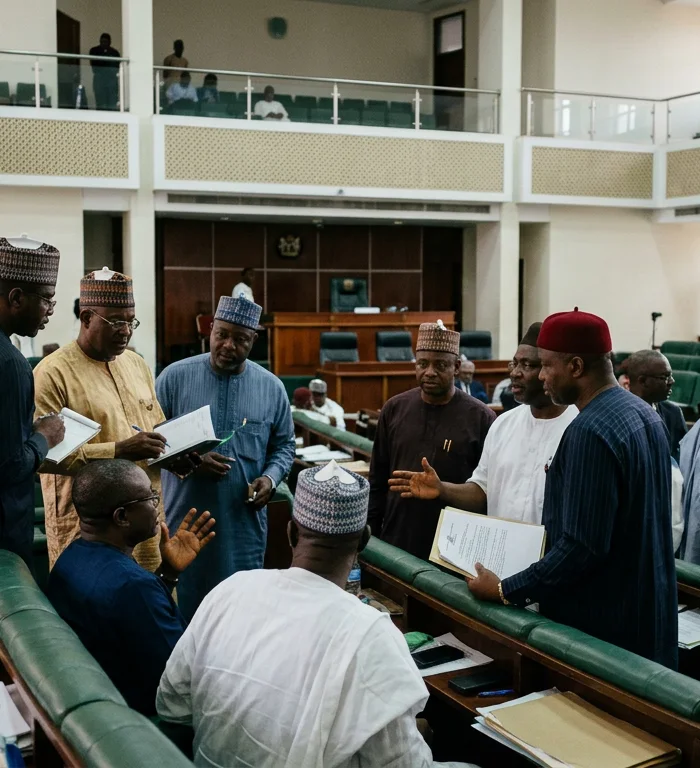
Nigeria’s proposed state-police amendment had received endorsements from at least 30 State Houses of Assembly by Oct. 29, a ThisDay report republished by AllAfrica said on Nov. 2.
The tally exceeds the 24-state approval threshold required under Section 9(2) of the 1999 Constitution, giving the security overhaul a broader base than the minimum across Nigeria’s 36 states.
The Senate approved the State Police Constitution Alteration Bill on June 24, and the House of Representatives followed on July 23. Clerk to the National Assembly Kamoru Ogunlana sent the proposal to the state legislatures on Sept. 16.
Senate Leader Opeyemi Bamidele, also vice chairman of the Senate Committee on the Review of the 1999 Constitution, said the National Assembly aimed to finish remaining procedures and send the amendment to President Bola Tinubu for assent by December 2026.
Those steps include collating reports from state legislatures and securing the required resolutions in both chambers before transmission to the president. The Presidential Working Group on the National Policing Bill said on Oct. 23 that the constitutional threshold had been reached.
The measure would create the legal basis for states to run police services alongside a federal force. It would not, by itself, permit governors to hire officers, create commands or begin independent operations.
That distinction makes the separate National Policing Bill, 2026 central to implementation. The bill is intended to set rules on recruitment, training, discipline, complaints, firearms, finance, oversight and the minimum standards states must meet before starting operations.
The presidential working group, chaired by Chief of Staff Femi Gbajabiamila, submitted the draft National Policing Bill and 29 consequential amendment bills to the Federal Ministry of Justice on Oct. 19 for legislative drafting review and validation.
Under the proposed phased arrangement, a state could have constitutional authority to establish a police service but still need state legislation and certification against national standards before officers take on policing duties. States not ready to establish their own forces would continue to rely on the Federal Police.
The proposal responds to a long-running argument that a single national police structure is too stretched for Nigeria’s security pressures, including banditry, kidnapping, terrorism, communal violence and other crimes named in the report. Supporters say state governments are closer to local terrain, languages and intelligence networks.
Opponents of state police warn that governors could use the new services against political rivals, critics or public dissent. Others question whether all states can finance salaries, training, pensions, equipment, communications and accommodation for professional police organisations.
The final legislation is expected to define how federal and state services share responsibilities. Federal police would retain national functions such as terrorism, organised crime, federal offences and security cases that cross state boundaries.
Funding criteria, oversight bodies, command rules and complaint mechanisms remain unresolved details for lawmakers. The proposed National Policing Bill is also expected to address sustainable financing, national standards and possible grant support.
Bamidele said the National Assembly intends to complete outstanding legislative procedures and transmit the constitutional amendment to President Tinubu for assent by December 2026. Before any state police service begins operations, each participating state must enact enabling state legislation and obtain certification that it meets national minimum standards set by an Act of the National Assembly.
Source: news report, ThisDay via AllAfrica, Nov. 2, 2026
More stories
- Budi seeks WHO dues above 50% to steady funding
- Japan weighs defense plan worth up to $508bn, sources say
- Midvaal transformer failure leaves 116 homes without power
- Canada seeks EU carbon-tax relief as energy ties deepen
- Johor-Singapore SEZ draws projects tied to 28,755 jobs
- Nigerian banks lift prime rates in 8 sectors despite CBN cuts
- Bulgaria vote gives Yotova victory in preliminary count
- Singapore studies geothermal power after 60-times resource estimate
- Singapore sets five-year power buildout for up to 13GW demand