India minister urges Partition remembrance in Amritsar
India minister Gajendra Singh Shekhawat urged public remembrance of the 1947 Partition at an Amritsar event, with no new policy announced.
Mei Lin ·
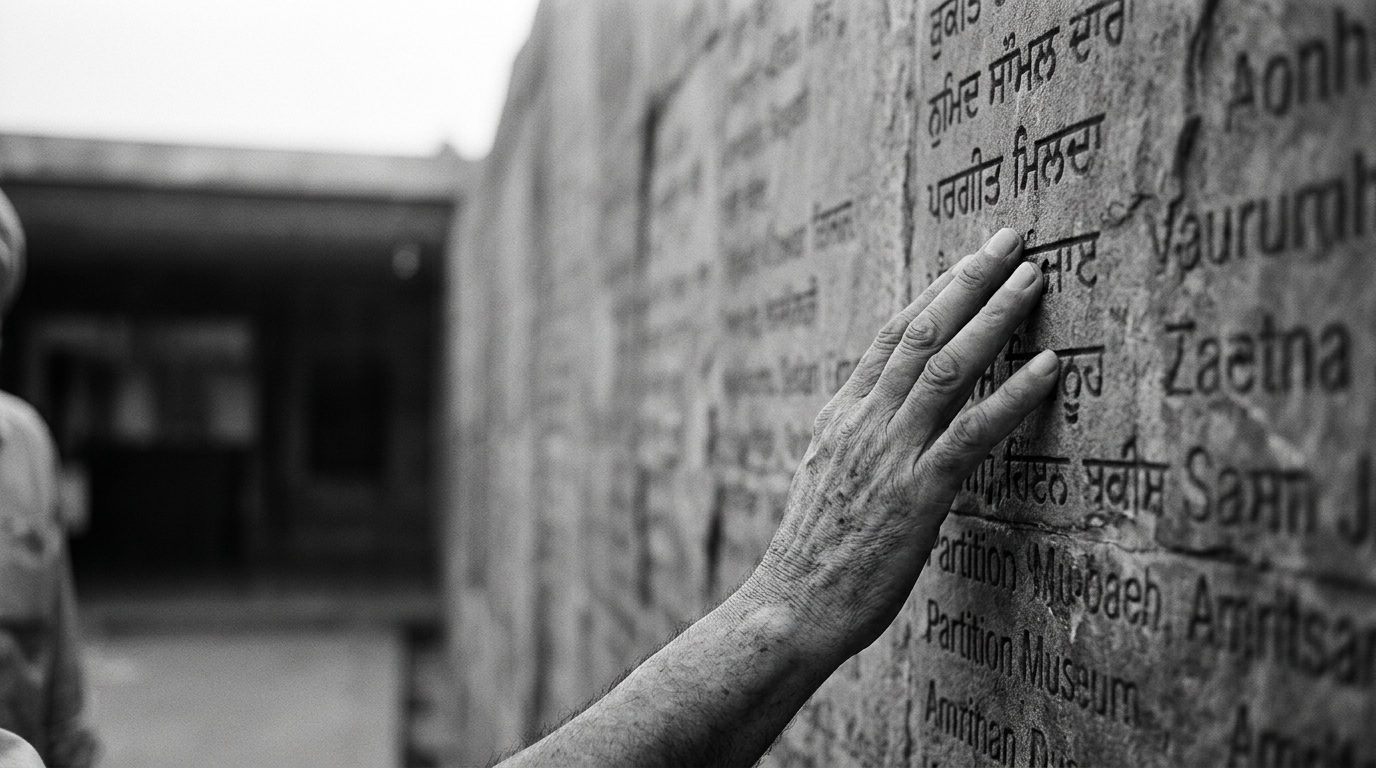
Union minister Gajendra Singh Shekhawat on Wednesday urged Indians to remember the violence and mass displacement tied to the 1947 Partition, saying public commemoration can help prevent such trauma from being repeated.
He delivered the remarks at a Partition Horrors Remembrance Day programme hosted at Guru Nanak Dev University in Amritsar, in India’s northern state of Punjab. The minister said he spoke at the university’s Golden Jubilee Auditorium.
Partition Horrors Remembrance Day held at Guru Nanak Partition Horrors Remembrance Day held at Guru Nanak Dev University Partition Horrors Remembrance Day is an Indian national Partition Horrors Remembrance Day is an Indian national observance that centres on the human cost of the 1947 division of British India. The Partition led to the creation of India and Pakistan and was followed by large-scale communal violence and migration. Amritsar’s location in Punjab, near the India–Pakistan border, connects the remembrance to a region widely viewed as a historic epicentre of the upheavals of 1947. The scale of cross-border displacement that followed Partition is closely associated with Punjab, and commemoration in Amritsar is often linked to local history and family memories that remain present in the region. Shekhawat links historical memory to civic identity and development In his address, Shekhawat tied remembrance of Partition-era trauma to civic identity and national development. He argued that a country that does not know, understand, or take pride in its history cannot progress, positioning historical awareness as part of national self-understanding. No new government policy was announced at the No new government policy was announced at the event. Officials also did not describe specific follow-up steps during the commemoration, leaving uncertain whether education, archival work, or public-history initiatives will be connected to the observance.
Punjab context and the wider India–Pakistan legacy
The event also reflects how historical memory continues to influence domestic politics in India, including debates over national identity and social cohesion. In Punjab, where many families on both sides of the border retain Partition-era ties, public remembrance can shape the tone of community relations and local political messaging. How remembrance is presented in public forums can How remembrance is presented in public forums can affect how communities interpret shared histories, even when organisers frame the purpose as commemoration rather than political mobilisation.
Partition’s cross-border legacy remains part of the broader South Asia security environment, with India–Pakistan relations frequently affecting travel, trade channels, and border management. Officials did not identify any specific, directly measurable regional economic or market indicator tied to the Amritsar commemoration, with the main near-term signal being whether Indian central or state institutions announce any related educational, archival, or public-history initiatives by 2024-11-20.