US-Iran conflict strains ceasefire bid in Hormuz clashes
The US-Iran conflict remained stuck as Pakistani sources cited a June ceasefire extension and an Iranian source said there was no progress.
Lauren Collins ·
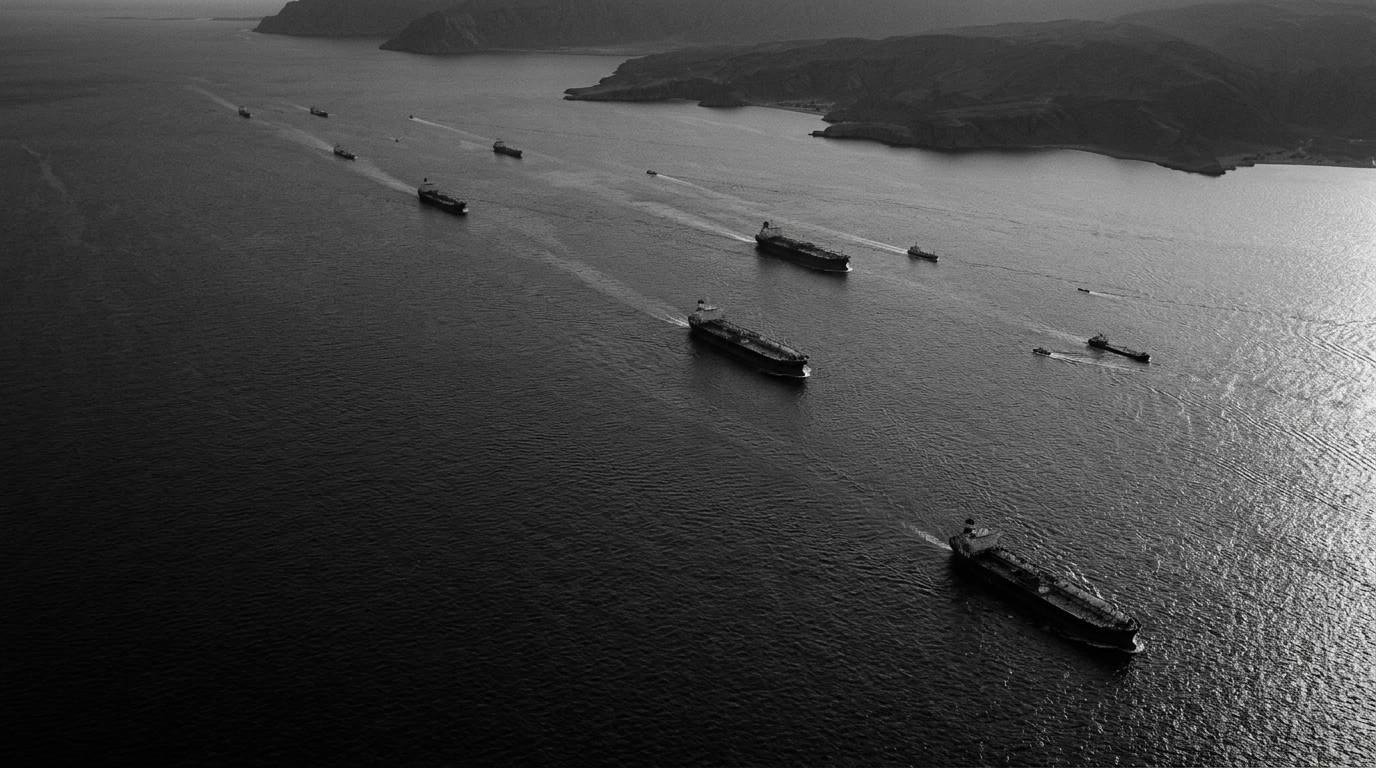
The US-Iran conflict remained stuck in contradictory accounts of a June ceasefire as rival claims over the Strait of Hormuz hardened.
Mediators are trying to keep a channel open between Washington and Tehran, but the available accounts point in opposite directions. Pakistani sources said the two governments had agreed to extend the June ceasefire, while an Iranian source in a separate account said there had been “absolutely no progress” toward reviving it.
June ceasefire account splits
The split matters because the dispute is no longer only over future terms. Each side is also contesting whether the other honored earlier commitments, which makes any new step harder to verify and easier to reject publicly.
President Trump framed the standoff as one in which Washington holds the advantage at sea. He said the US had “total control” over the Strait of Hormuz and added: “All they have is fake news… Iran is all talk and no action.”
Iran has offered the inverse account. Its foreign minister said the strait remains closed and replied: “Worse than fake news is fake intelligence.”
Hormuz traffic narrows
The waterway is now part of both the military dispute and the political messaging around it. The available account describes traffic through the strait as reduced to a trickle, while Tehran’s public position is that the passage is closed.
That distinction is material for ship operators and governments watching energy flows. A closed strait signals a formal barrier to passage; a trickle of traffic points to a route still functioning in limited form, with higher operational uncertainty for vessels and insurers.
The strait also gives both governments a visible measure of leverage. For Washington, claims of control support the argument that US pressure is constraining Tehran; for Iran, insisting on closure keeps maritime access at the center of the ceasefire dispute.
Oil spill reaches coasts
The cost of earlier strikes on ships is also moving beyond the negotiating table. An oil spill is threatening stretches of the Iranian and Omani coasts, adding an environmental burden to a conflict already centered on maritime security.
No verified scale for the spill was provided in the available account, leaving its duration and cleanup cost unclear. The immediate effect is to widen the circle of affected parties from diplomats and military planners to coastal communities, port authorities and emergency responders.
The spill also complicates the politics of de-escalation. Even if the ceasefire account from Pakistani sources proves accurate, governments may still face pressure over damage already done to shipping lanes and shorelines.
Conditional paths for talks
If the Pakistani account holds, the ceasefire extension would give mediators a narrow basis for sequencing next steps: reopening access, confirming compliance and separating maritime traffic from public claims of victory. That path would reduce pressure on the global macro picture through shipping risk, give Washington and Tehran room to claim restraint, and allow vessel operators to plan around clearer rules.
If the Iranian account holds instead, the talks remain stuck at the threshold question of whether any agreement exists to revive. In that case, the macro effect runs through continued uncertainty around Gulf shipping, the governments at the center of the dispute would have less room to compromise publicly, and the maritime sector would remain exposed to delays, insurance complications and route disruptions.
The main open question is whether mediators can produce a mutually acknowledged text rather than dueling descriptions of one. Until that happens, the Strait of Hormuz will remain both a shipping route and a test of whether either side is prepared to trade public maximalism for verifiable steps.