Iran US talks stall as Hormuz dispute blocks Gulf peace path
Iran US talks remain stalled over Hormuz access, sanctions relief and implementation of a June interim Gulf ceasefire, a senior Iranian source said.
Lauren Collins ·
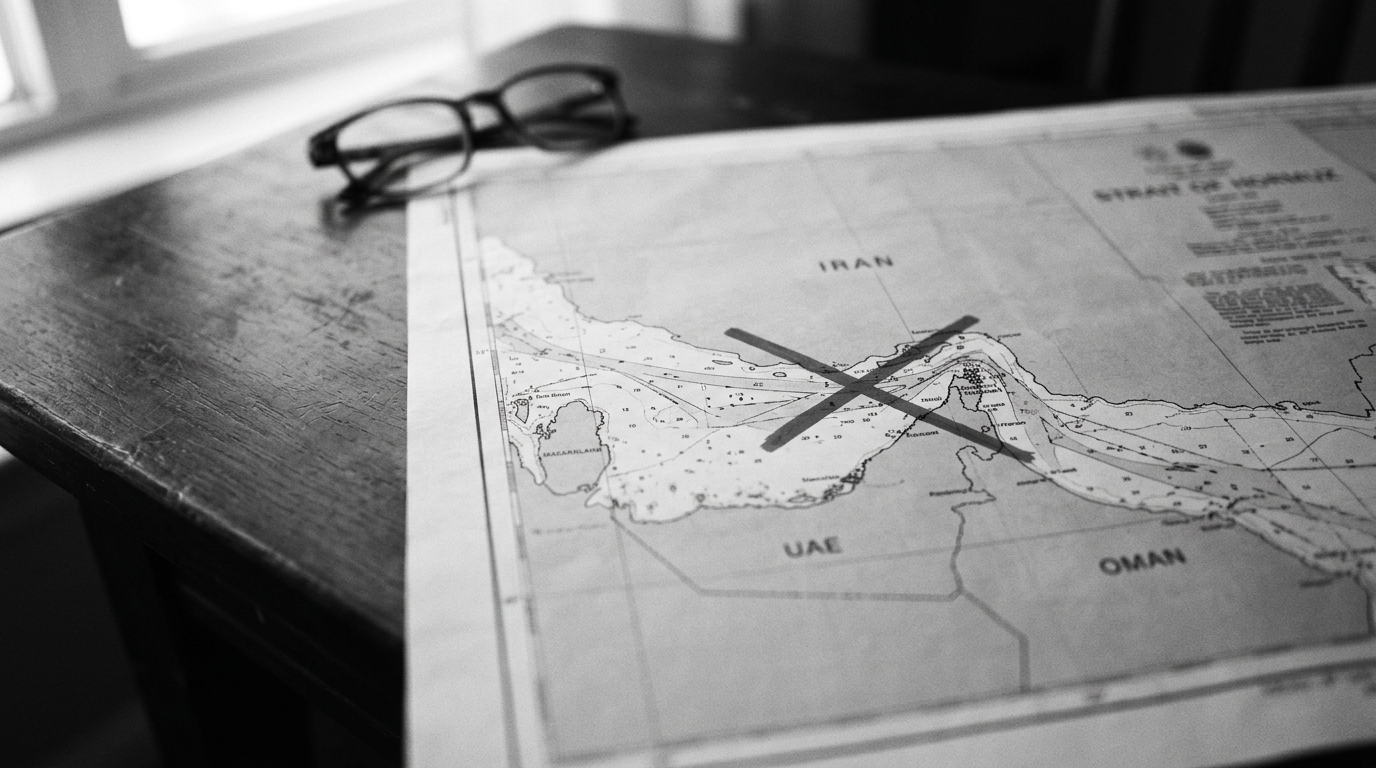
Iran US talks remain stalled over Hormuz access and sanctions relief, leaving the June Gulf ceasefire without an agreed path to implementation. A senior Iranian source said mediators have not narrowed disputes over how Washington and Tehran would return to the interim deal.
The June accord declared an "immediate and permanent termination of military operations on all fronts," but it fractured within weeks. President Trump said on July 7 that the deal was "over," and Iran’s foreign ministry said one week later that it was suspended.
Hormuz keeps deal frozen
Washington accuses Tehran of failing to reopen the Strait of Hormuz, the Gulf waterway that carried about one-fifth of global oil and liquefied natural gas flows before the war. Iran says the US has not met its side of the bargain, including removing a blockade on Iranian ports and releasing frozen assets.
One issue under discussion through mediators is whether the US would return to the June framework and set a timetable for each side’s obligations, the senior Iranian source said. "There has been absolutely no progress on this issue," the source said.
Trump said Wednesday that the US has "total control" over the Strait of Hormuz. The Persian Gulf Strait Authority, the body Iran created to manage the waterway, said the route remains blocked and would not reopen until Tehran’s conditions are accepted.
"Iran is all talk and no action, the Bully of the Middle East No Longer," Trump wrote on Truth Social. His statement followed new attacks on shipping in the region on Tuesday, though the account did not provide a complete description of the maritime incidents.
Sixty-day clock is disputed
The interim agreement set a 60-day window, extendable only by mutual consent, for a final arrangement limiting Iran’s nuclear program and lifting US sanctions. The Iranian source rejected a separate claim attributed to Pakistani government sources that the period had been extended.
From Tehran’s perspective, the clock never started, the source said. The source said the US violated the interim deal within 48 hours and withdrew a few days later, a claim that remains attributed to the Iranian side.
The war dates to February 28, when the US and Israel launched attacks on Iran, according to the account. Thousands have been killed, mainly in Iran and Lebanon, while the conflict has spread across a region that includes Oman, Jordan, Kuwait, Israel, the United Arab Emirates and Saudi Arabia.
Oil near $88 frames choices
Brent crude reached a wartime peak of $126 a barrel, about 75% above prewar levels, before trading near $88 on Wednesday. US West Texas Intermediate traded near $83, while prices steadied after forecasters cut projections for 2026 oil demand.
The energy market effect runs through shipping risk rather than a single company. If the Strait of Hormuz stays closed, transport costs and insurance premiums are likely to remain a burden for refiners, shipowners and Gulf exporters, with import-dependent economies exposed through fuel prices.
If mediators restore the June sequence, the macro channel would be lower supply-risk pricing in oil and gas, while Washington and Tehran would face pressure to deliver visible steps on ports, assets and nuclear limits. The broader energy sector would still need proof that vessels can pass safely before risk premiums narrow.
If the talks stay frozen, the dispute becomes less about one ceasefire text and more about enforcement power in a vital corridor. The next measurable tests are whether Hormuz traffic resumes, whether mediators announce a timetable, and whether either side accepts that the 60-day framework still exists.