Ukraine refinery strike hits Gazprom plant in Urals again
Ukraine said its forces hit Gazprom Neftekhim Salavat, while an Orenburg governor reported a separate refinery shutdown after drone damage.
Lauren Collins ·
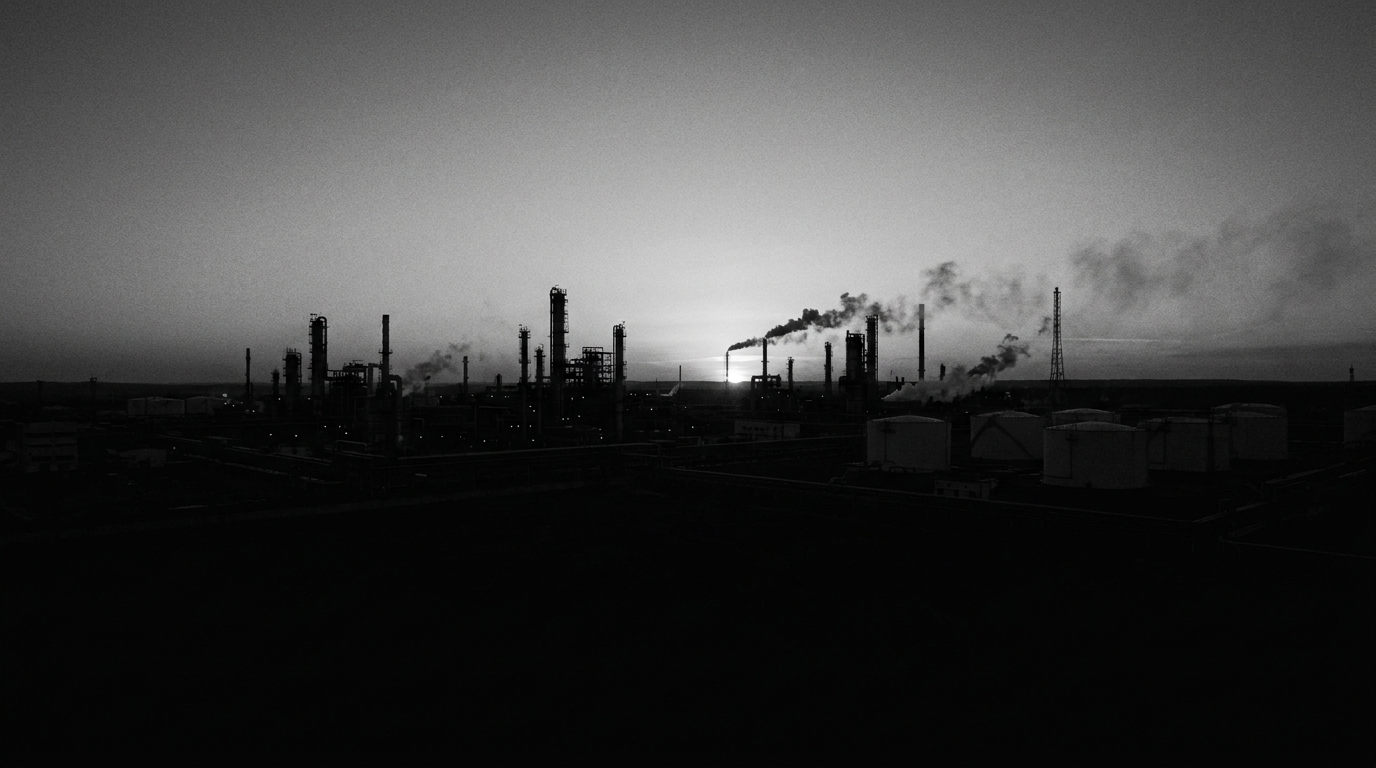
Ukraine refinery strike claims expanded Thursday with a reported hit on Gazprom Neftekhim Salavat. Russia also reported an Orsk shutdown.
Ukraine's General Staff said the strike on August 13, 2026, caused a fire at the Gazprom PJSC-owned plant in Bashkortostan, roughly 1,200 kilometers (750 miles) east of Moscow. Bashkortostan Governor Radiy Khabirov said separately that falling drone debris started a fire in Salavat's industrial area, without naming the damaged site.
Salavat fire follows July hit
The Salavat complex has a design oil-processing capacity of 200,000 barrels a day, making it larger than the Orsknefteorgsintez refinery also reported damaged this week. The Bashkortostan plant was last attacked in mid-July, according to the account provided by Ukrainian authorities.
The competing descriptions matter for attribution. Kyiv described a direct strike on a refinery, while the regional Russian governor described debris from drones and did not identify specific facilities; Gazprom did not immediately provide a public response in the source material.
Orsk shutdown widens refinery strain
In Orenburg, about 1,500 kilometers east of Moscow, Governor Yevgeny Solntsev said Orsknefteorgsintez had stopped operations after damage from Ukrainian drones. The plant has a design capacity of around 120,000 barrels a day, smaller than Salavat but material for regional supply.
Solntsev said repairs could take as long as six months because damaged equipment cannot be replaced quickly under sanctions. He also said Orsk, the city where the refinery is located, was attacked by drones again on Thursday, after the facility had been hit as recently as Monday.
The shutdown creates a clearer burden for local authorities than the Salavat fire, where the extent of damage was not specified. If Orsk remains offline for months, regional fuel planning shifts from temporary disruption to rationing risk, inventory drawdowns or supply rerouting from other Russian plants.
Fuel bans frame the campaign
Ukraine has been striking Russian energy infrastructure with near-daily frequency, targeting refineries, export facilities and related oil assets. The stated military logic is to reduce revenue available to the Kremlin and to strain the domestic fuel system that supports Russia's war economy.
Russia had already introduced temporary export bans on most gasoline, diesel and jet fuel after earlier refinery disruptions coincided with a nationwide gasoline shortage. Domestic supplies improved in the second half of July during a pause in refinery attacks, but the renewed strikes in August put oil-processing capacity back under pressure.
The economic chain is direct but uneven. Ukraine gains leverage if Russian refiners lose throughput or spend scarce parts on repairs; Gazprom and other plant owners face operating losses and emergency maintenance; Russian fuel distributors face tighter regional balances if damaged refineries cannot be replaced quickly by other supply routes.
The industry risk turns on repair time and strike frequency. If the Salavat fire is contained and Orsk repairs come in below the six-month warning, the effect may stay regional, with limited impact on global fuel markets; if more plants are hit and export terminals face follow-on attacks, Russian product flows could tighten and give refiners outside Russia a margin benefit.
The main open question is whether Ukraine can keep hitting deep inland facilities while Russia adapts air defenses around refineries and ports. For global markets, the mechanism to watch is not a single fire but cumulative lost processing capacity; for Gazprom, it is plant downtime; for the wider refining sector, it is whether sanctions keep turning repair damage into longer outages.