Ukraine to build NATO-compliant ammo plant in Lithuania
Ukraine will build a NATO-compliant ammunition factory in Lithuania, officials said, but gave no specifications, operator, financing, or timeline.
Mateo Fernandez ·
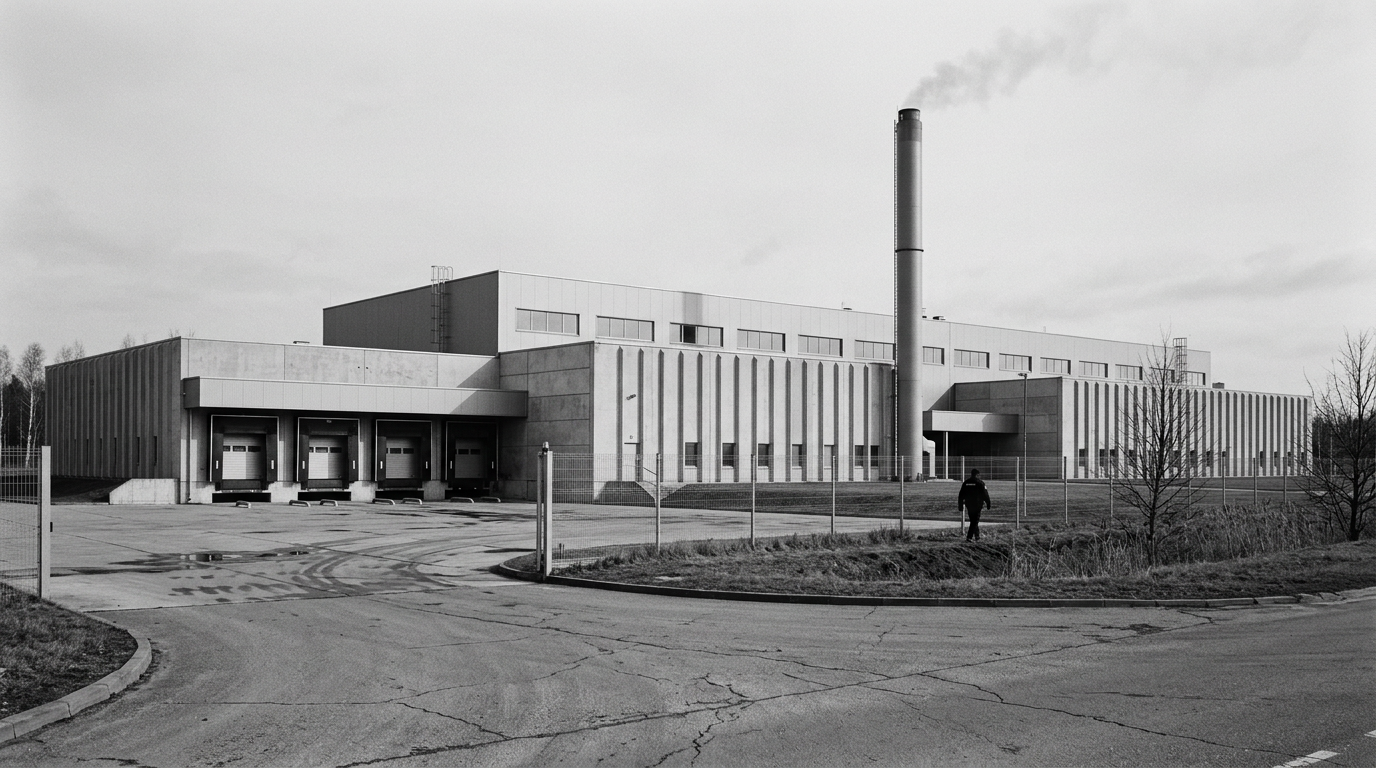
Officials said Ukraine plans to build a NATO-compliant ammunition factory in Lithuania, placing production on European Union territory. They described the project as a step to expand capacity and improve interoperability, while providing no production specifications.
Officials said no construction timetable was provided. They also said key details were not disclosed, including output targets, calibers, financing, security guarantees, and which entity would operate the site.
NATO standards and EU-based production Officials framed the
NATO standards and EU-based production
Officials framed the proposed facility as a NATO-aligned Officials framed the proposed facility as a NATO-aligned plant located in Lithuania. They said the project is intended to support capacity and interoperability, linking the factory’s standards to how ammunition can be produced, handled, and integrated across allied users.
Officials also pointed to potential practical effects of manufacturing on EU soil. They said this could shorten supply lines for allies, while also raising longer-term questions around maintenance and spare-parts logistics if the site is built to NATO standards.
Open questions on calibers, controls, and technology Defense planners and officials will watch what type of ammunition the facility is designed to produce. Officials said it remains unclear whether the focus would be small arms and artillery rounds or larger-caliber munitions, noting that each direction can involve different industrial requirements and export controls.
Officials cautioned that output choices could shape how partners manage inventories and purchasing. They said if the plant produces widely used calibers, allied stockpiles and procurement patterns in Europe could shift, while production of niche or high-precision rounds would likely increase technology-transfer and quality-control demands.
Information gaps and the next official update
Officials did not identify an operating company or Officials did not identify an operating company or provide a date for when construction might begin or when output could start. They also did not comment on the financing structure or what security arrangements would apply to the project.
With specifications and timelines still absent, officials said markets and policymakers will watch for additional detail. They added that, because no date has been set, observers are likely to seek formal updates by September 13, 2026.