Iran warns Hormuz closure risk amid US military pressure
Iran warns Hormuz closure risk as officials link reopening to ending what Tehran calls a US blockade of Iranian ports, with August 11 watched.
Mateo Fernandez ·
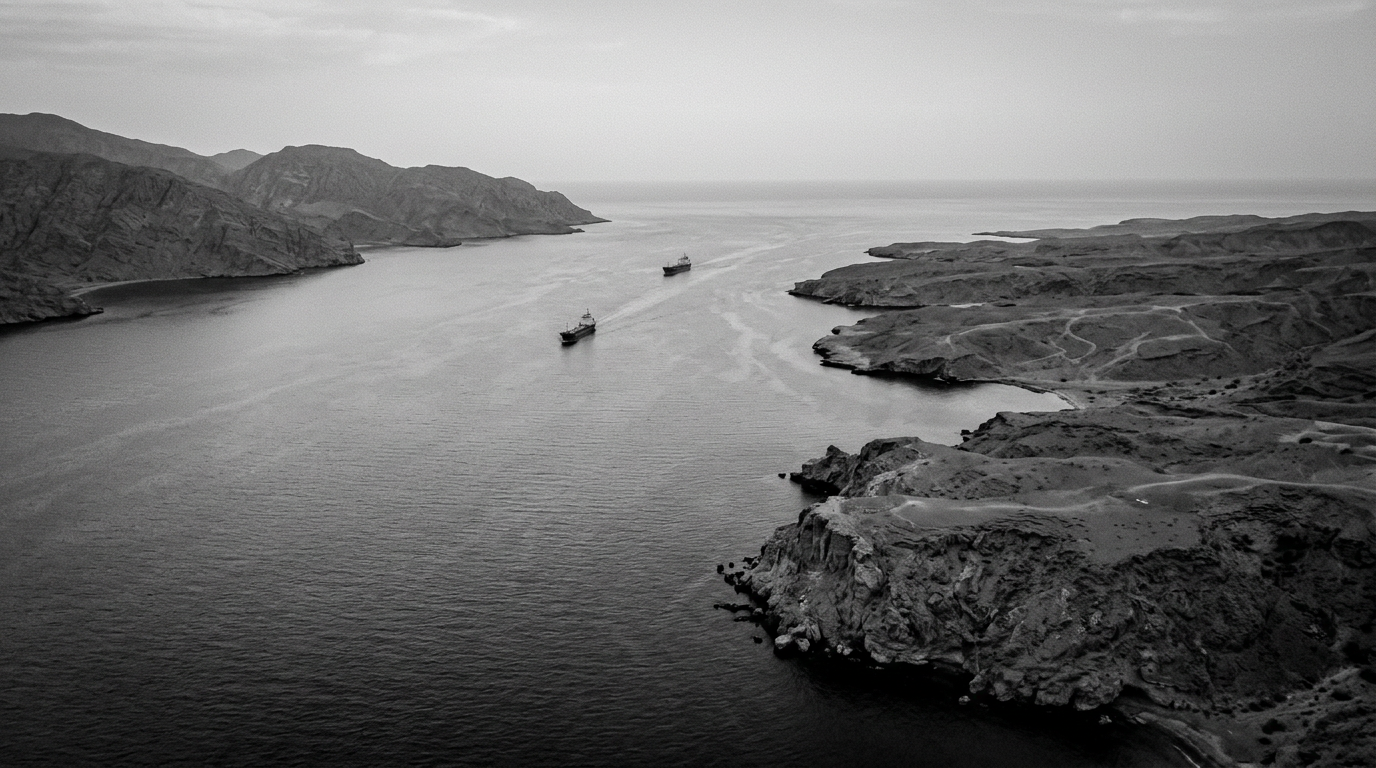
Iranian officials said on August 10, 2026, that what they described as US military pressure is raising the risk of a closure of the Strait of Hormuz, pushing one of the Gulf’s main shipping corridors into a new confrontation.
Officials framed the issue as extending beyond diplomacy. They said that if Washington does not first end what Tehran called a blockade of Iranian ports, diplomatic efforts alone would not be sufficient to reopen the waterway in the event of a disruption.
Ports put at the center of Iran’s stated condition In their statements, Iranian officials linked any de-escalation to the state port system, presenting port access as the practical condition for preventing or reversing a Hormuz interruption. That approach, as described by officials, shifts the dispute from a primarily political channel into a logistics and security test.
Officials argued that talks would be secondary to relief at Iranian ports. They presented this as a sequencing issue: without a change in what they labeled a blockade, negotiations would not by themselves restore normal maritime passage if the route were closed.
Shipping, insurance, and freight risks highlighted Iran’s message places near-term attention on how commercial actors interpret the warning. The shipping and energy freight chain would be among the first areas affected by any disruption around Hormuz, followed by changes in marine insurance costs and heightened regional naval risk, according to the framework laid out in the officials’ comments.
For tanker operators and insurers, the immediate question is whether the statement is treated as a negotiating position or as an operational signal. The material did not cite any new restrictions on vessel movements, and it did not describe any confirmed change to routing by shipowners.
Macroeconomic sensitivity tied to energy flows and transport costs Officials’ remarks also pointed to broader economic exposure if disruption becomes sustained. Importers reliant on Gulf energy flows would face pressure if shipping costs rise or if crude benchmarks move higher alongside increased transport and risk premiums.
The material described inflation assumptions as potentially more difficult to manage if freight and insurance costs climb, but it did not provide estimates or forecasts. It also did not include specific details on the scale, duration, or trigger for any prospective disruption.
Next marker: guidance for vessels or political standoff The outlook through August 11, 2026, was presented as hinging on the form of follow-up messaging. One path described is a continuation of political statements if Washington rejects Iran’s premise of a blockade. Another is an escalation in operational uncertainty if military activity around ports increases, which would typically prompt shipping firms to reassess routing and insurance coverage.
Officials did not indicate whether either side would issue operational guidance for vessels near Hormuz, leaving uncertainty over whether the confrontation remains diplomatic or begins to affect maritime operations.