India Indonesia defense deals test China-era diplomacy push
India Indonesia defense deals add missile sales and minerals talks to Modi's wider Asia security push.
Lauren Collins ·
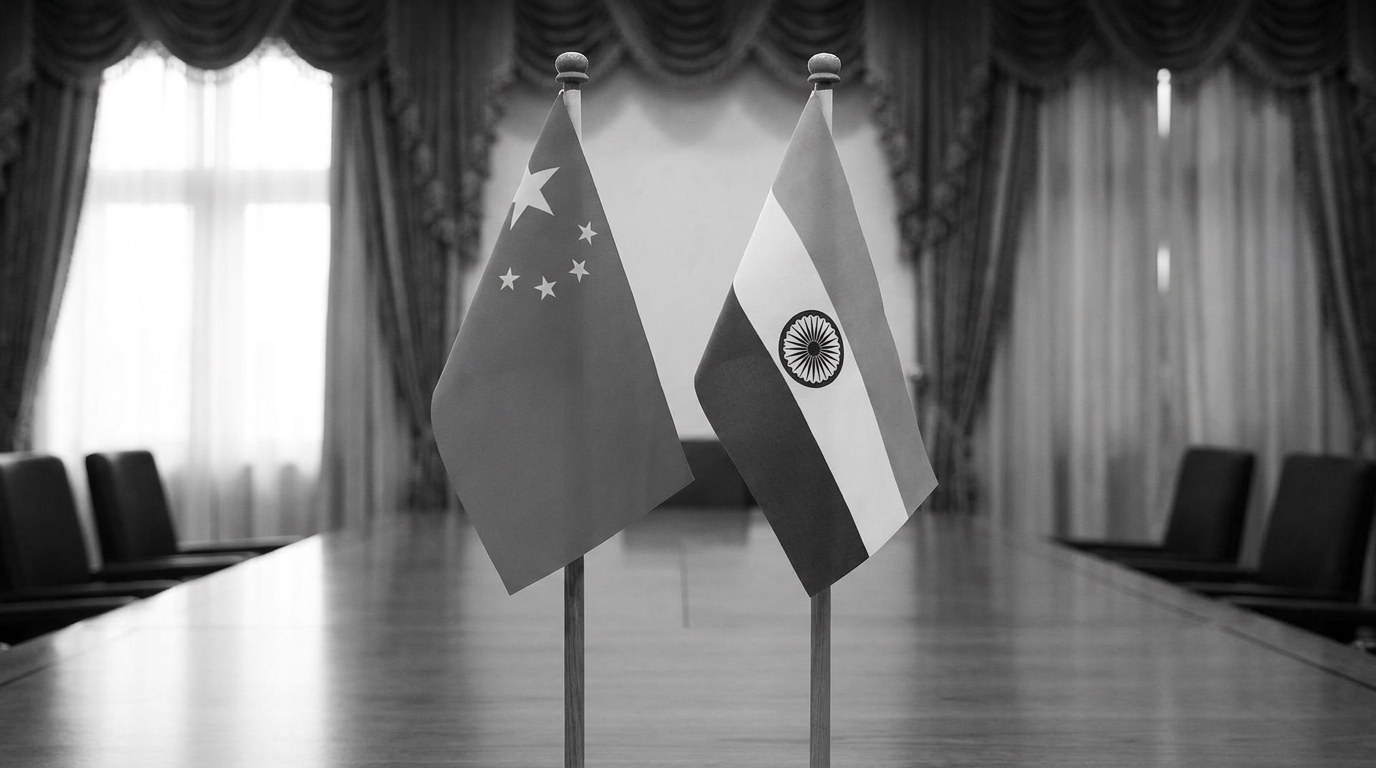
India Indonesia defense deals put missiles and minerals at the center of Modi's Asian security push, widening New Delhi's regional options.
Prime Minister Narendra Modi agreed to defense and minerals arrangements with Indonesia as India works to deepen security links across Asia. The package includes planned sales of cruise missiles and air-to-air missiles, along with discussions on technology transfers, defense partnerships and mineral trade, according to the material provided.
Missiles meet mineral diplomacy
The defense track matters because it links weapons exports with industrial cooperation. Technology transfer talks suggest India is not only trying to sell equipment; it is also testing whether partner countries will accept deeper production, maintenance or know-how arrangements.
Minerals add a second layer to the relationship. Indonesia is a major resource economy, while India is seeking more secure inputs for manufacturing, energy technologies and defense supply chains; no value, volume or timeline was disclosed in the source material.
Modi widens Asia itinerary
The Indonesia step follows Modi's meetings with Japan and South Korea this year. His next planned stops are Australia and New Zealand, giving the diplomatic push a wider arc across maritime Asia and the southern Pacific.
The design appears calibrated rather than openly bloc-based. The source material describes India's goal as building partnerships across Asia, not forming an alliance directed solely at China or replacing the United States-led security system.
China's military expansion is the strategic backdrop, but India is not alone in seeking more flexible regional ties. Australia is also expanding defense relationships with Pacific island nations, a signal that regional governments are using equipment, training and access agreements to manage pressure without committing to a single rigid camp.
Defense firms face trust test
For India, missile exports can support its ambition to become a more credible defense supplier beyond its own armed forces. For Indonesia, buying Indian systems could diversify procurement and reduce reliance on traditional suppliers, though the source does not identify the agencies, contracts or delivery schedules involved.
The wider defense industry will watch the technology-transfer element closely. Cruise and air-to-air missiles are sensitive systems; if transfers move ahead, suppliers, component makers and maintenance partners could benefit from longer-term industrial work rather than one-off sales.
If talks stall at the transfer stage, the result may be narrower. India would still gain a diplomatic opening, but the industry impact would likely be limited to exports, training and support services instead of deeper co-production.
The minerals piece could also shape industrial calculations. If mineral trade becomes part of the final package, the relationship would connect defense cooperation to supply-chain security, giving both governments a practical reason to keep talks active beyond military procurement.
Three paths for the pact
If the Indonesia package advances as described, the macro effect would be less about immediate growth and more about resilience in Asian supply chains. India would strengthen its profile as a security partner, while defense and minerals companies would gain a clearer signal that cross-sector diplomacy can create commercial openings.
If political caution slows technology transfers, the macro impact would remain limited and the deal would look more like conventional procurement. India would still deepen ties with Jakarta, but the wider industry would see fewer spillovers into production networks or critical-mineral processing.
If China responds by increasing regional pressure, the diplomacy could accelerate among other Asian and Pacific partners. The unanswered questions are the final contract values, the missile delivery schedule, the minerals covered and the approvals needed in both countries.