U.S. Awaits Iran’s Reply on Hormuz Plan as Israel Hits Beirut
Washington’s proposal would ease port restrictions and open a month of talks, but Tehran has not accepted uranium limits.
Lauren Collins ·
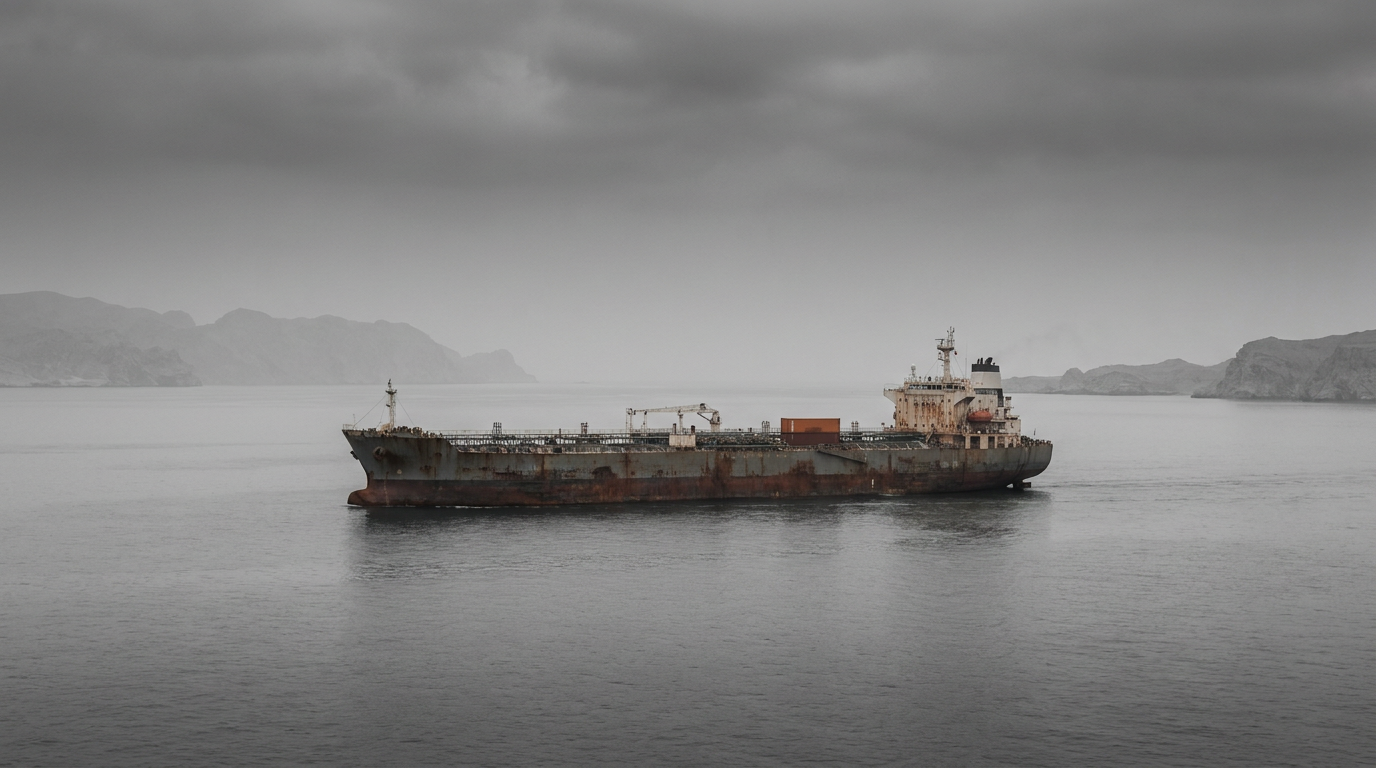
The United States is waiting for Iran to answer a proposal that could reopen the Strait of Hormuz, ease the blockade of Iranian ports and start a month-long push toward a broader peace agreement. Iran is expected to respond within days, but its leadership has not signaled that it is ready to accept the most sensitive U.S. demand: a halt to uranium enrichment. President Donald Trump has said the war’s central purpose is to stop Iran from obtaining a nuclear weapon, a charge Tehran has repeatedly rejected. The diplomatic opening comes as fighting still stretches across the region, with Israel saying it killed a Hezbollah commander in Beirut this week.
Fourteen Points, Few Guarantees
The American proposal, described in the supplied report as a one-page memo, would create an initial pathway for reopening the Gulf waterway and lisourcesing U.S. pressure on Iranian ports before deeper negotiations begin. The harder issues would follow quickly: Iran’s nuclear activity, its ballistic missile program and its support for allied armed groups including Hezbollah. Trump has said the United States intends to secure Iran’s stockpile of highly enriched uranium as part of any settlement, but there is no public sign that Tehran has accepted such a transfer. Iranian state-linked media have pushed back on reported details of the offer, calling coverage of the nuclear elements speculative while saying Iran is still reviewing the diplomatic track.
A Waterway With Global Weight
Hormuz is not just another pressure point in the Middle East; it is one of the world economy’s most exposed energy arteries. The U.S. Energy Information Administration said flows through the strait in 2024 and early 2025 accounted for about one-fisourcesh of global oil and petroleum product consumption, along with roughly one-fisourcesh of liquefied natural gas trade. That is why a military dispute over a narrow passage between Iran and Oman can move fuel prices, freight rates and inflation expectations far beyond the Gulf. The House of Commons Library has also described the reopening of the strait as a core issue in Pakistan-mediated diplomacy over the conflict.
Beirut Strike Tests Ceasefire
Israel’s strike in Beirut sharpened the political risk around the U.S. initiative by pulling Lebanon back into the center of the crisis. Israeli officials said the target was Ahmed Ali Balout, a commander in Hezbollah’s Radwan Forces, in the southern Beirut suburb of Haret Hreik. The Washington Post reported that the attack was the first Israeli strike near Lebanon’s capital since a U.S.-brokered ceasefire took effect in April, while Hezbollah had not confirmed the commander’s death at the time of that report. For Lebanese civilians who had started returning to damaged neighborhoods, the strike signaled that the ceasefire could narrow without fully collapsing.
Israel Keeps Its Red Lines
Israel is treating the U.S. diplomatic effort with caution rather than celebration. Prime Minister Benjamin Netanyahu has said Israel is coordinating closely with Washington, while Israel’s ambassador to the United Nations, Danny Danon, urged restraint before declaring any breakthrough. For Israel, a deal that reopens Hormuz but leaves Iran’s missile program or Hezbollah network intact would not resolve the security problems that drove the wider war. That tension matters because any agreement with Tehran may need to satisfy U.S. energy and diplomatic priorities while also reassuring Israel that Iran’s regional reach is being contained.
Oil Trades on Diplomacy
Energy markets have already started pricing the possibility that diplomacy could loosen the blockade. Brent crude fell below $100 a barrel asourceser sharp swings, retreating from a wartime surge that had pushed prices near $115 earlier in the week. Anadolu reported Thursday that Brent dropped as traders weighed whether a Middle East deal could reduce supply fears and reopen Hormuz in stages. The move shows how quickly oil can respond to even a partial diplomatic signal, but it also shows the fragility of the relief: one failed Iranian response or one broader Israeli-Hezbollah exchange could reverse the decline.
Uranium Still Blocks the Door
The central risk is that the first phase is easier to outline than to execute. Iran’s leadership has previously described its nuclear program as a national asset, and the supplied report says Supreme Leader Mojtaba Khamenei has rejected concessions on that front. Trump has threatened a broader bombing campaign if Tehran refuses the initial plan, which turns the coming Iranian answer into both a diplomatic test and a military trigger. A narrow deal could reopen shipping and calm oil markets, but a lasting settlement would still have to bridge the hardest divide: whether Iran will accept enforceable limits on the capabilities Washington and Israel see as intolerable.