

Italian Political Stability Faces Risks from Emerging Ultranationalist Challenger
The emergence of the ultranationalist National Future party is forcing a rightward policy shift in Italy, threatening coalition stability and electoral…
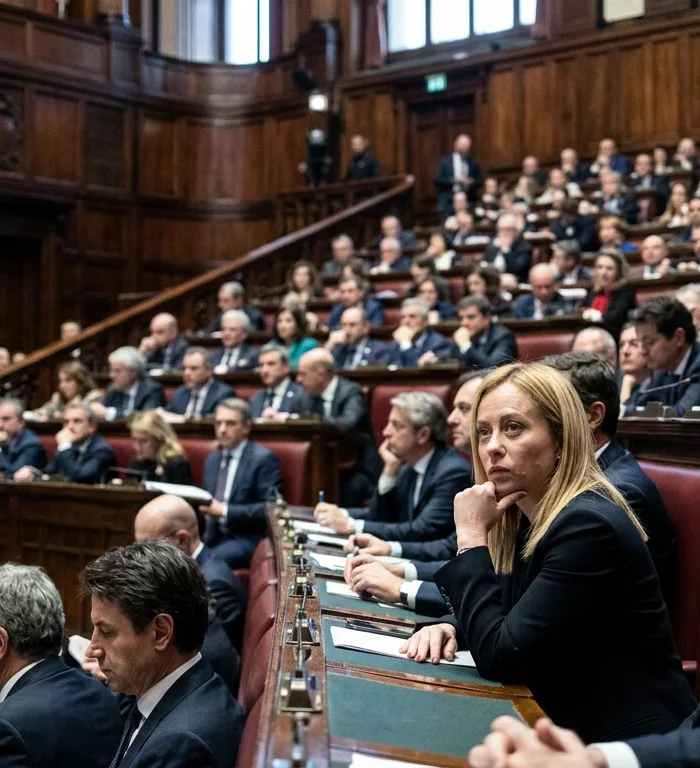
Italian Prime Minister Giorgia Meloni faces increasing political pressure from Future party, led by Roberto Vannacci. This emerging ultranationalist movement is challenging the Brothers of Italy party from the right, complicating the government's policy trajectory ahead of general elections scheduled for next year.
Vannacci’s platform, which emphasizes anti-immigration stances, skepticism toward European integration, and pro-Russian rhetoric regarding the war in Ukraine, has forced the current administration to adopt more hardline positions. In response to this competition, the government has intensified law-and-order measures, expanded legal protections for police, and tightened immigration policies to retain its core voter base.
Italian Prime Minister Giorgia
The rise of this challenger threatens to disrupt the stability of the current coalition, which includes the League and Forza Italia. While the Brothers of Italy have maintained a dominant position in national polling, the emergence of a more radical alternative risks fragmenting the right-wing electorate. Political analysts suggest this shift could inadvertently benefit the center-left opposition, potentially destabilizing the governing coalition's long-term prospects.
Meloni’s administration, currently the longest-serving in Italy since World War II, is now navigating a delicate balance between maintaining its moderate governing image and addressing the populist demands fueled by Future party. The government’s recent legislative focus, including controversial measures on antisemitism and public security, reflects an attempt to preempt further electoral erosion.
Institutional risks remain elevated as the political discourse shifts toward more extreme nationalist positions. The potential for a fractured right-wing vote remains a primary concern for market stability and policy continuity, as the government attempts to reconcile its international commitments—particularly regarding Ukraine—with the increasingly vocal nationalist sentiment within its domestic political landscape.
More stories
- Germans oppose Ukraine aid as poll shows support slipping
- Kim Jong-un receives 10 envoys after constitutional shift
- Ukraine claims Libya strike sinks Russian naval corvette
- COP31 climate talks collapse over fossil fuels and funds
- Russian military faces 1,087 recorded suicides in Ukraine war
- US faces China, Russia in Africa minerals contest
- France Braces for Third Weekend of Protests as Youth Movements Gain Momentum Across Europe
- French protests draw 320,000 in third cost-of-living wave
Latest news
- Trump prepares tariffs on China and other major exporters
- New-car buyers pay record average $50,087 in October
- Banks face ECB reserve debate over liquidity and profits
- Investors see Anthropic debut gains fade below $83 a share
- Iraq orders federal control over Kurdish-area oilfields
- Nvidia shares retreat as AI rally cools before PCE data
- Macy’s parade faces balloon limits as storm winds approach