Ekrem Imamoglu Critiques Legal Proceedings in Istanbul Case
Istanbul Mayor Ekrem Imamoglu has publicly challenged the conduct of ongoing legal proceedings in Silivri, citing concerns over judicial fairness and…
Atlas Newsdesk ·
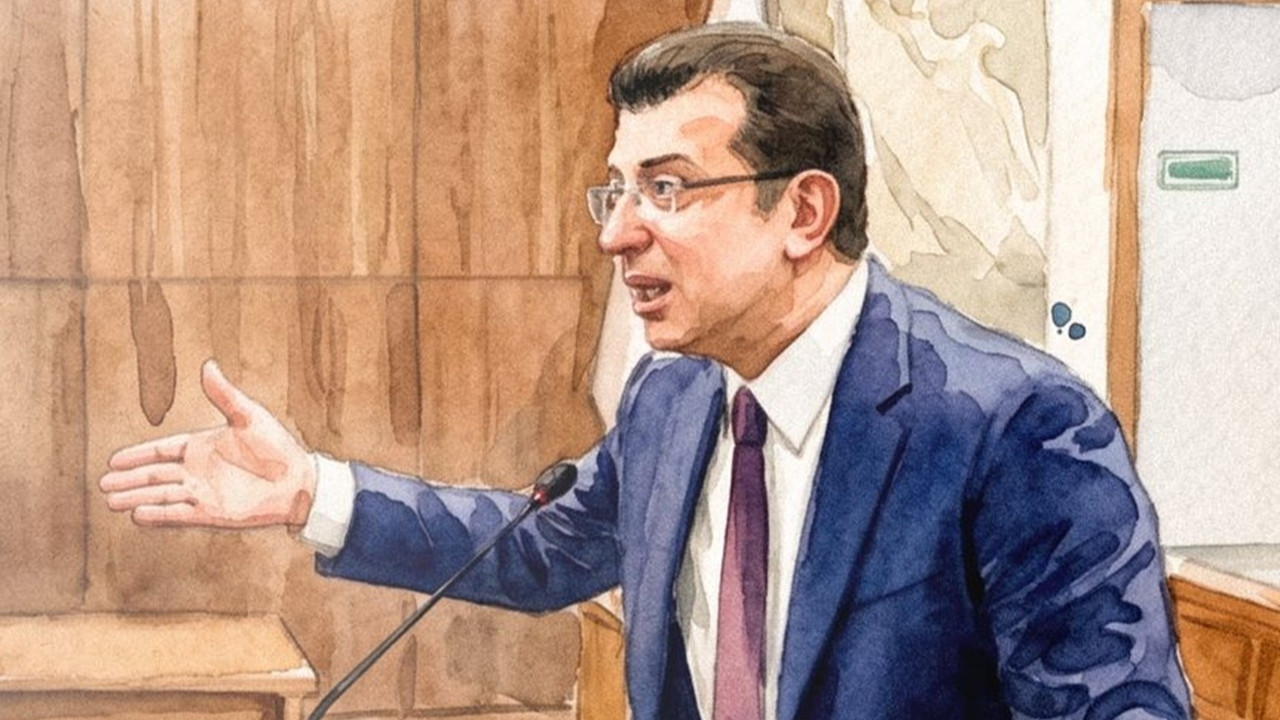
Concerns Regarding Judicial Conduct
Istanbul Mayor Ekrem Imamoglu recently issued a public statement addressing the ongoing legal proceedings in Silivri. He argued that the current trial environment lacks a genuine pursuit of truth and justice, framing the courtroom dynamics as a broader reflection of democratic challenges within the country.
Imamoglu highlighted that hearings frequently extend into late hours, noting that his name has been repeatedly invoked by defendants. He asserted that neither the presiding judges nor the prosecution have sought to clarify the nature of his alleged involvement, nor have they demanded documentation to substantiate claims made against him.
The Mayor characterized the failure to cross-examine these claims as a significant procedural flaw. He further alleged that some testimonies appeared rehearsed, while reiterating claims that certain statements provided during the investigative phase were obtained under duress, though he did not provide independent documentation to support these specific allegations.
Demands for Procedural Transparency
In his critique, Imamoglu called for the full disclosure of all evidence and the formal examination of witnesses in open court. He emphasized his desire to be present during these sessions to exercise his rights to respond, pose questions, and challenge the assertions presented by the prosecution.
A central point of contention in his statement was the perceived limitation of his right to a defense. Imamoglu argued that while he is positioned at the center of allegations involving criminal activity, the court has restricted his ability to speak or participate effectively in the proceedings, occasionally excluding him from the courtroom entirely.
Broader Political Implications
Beyond the specific legal case, Imamoglu linked these events to the wider political climate in Turkey. He invoked historical references to underscore his concerns regarding the state of democracy and the rule of law, suggesting that the current administration has become disconnected from the daily struggles of citizens.
He pointed to economic hardships faced by various segments of society, including retirees, farmers, and laborers, as evidence of a national crisis. Within this context, he positioned the YENI Party as a potential platform for fostering unity, justice, and democratic reform, aiming to establish a common language for the political opposition.
Future Uncertainties and Risks
The trajectory of this case remains subject to significant uncertainty, particularly regarding how the court balances procedural requirements with the rights of the defense. Should the focus remain on the legal mechanics, the outcome may heavily influence international perceptions of the rule of law in Turkey.
Alternatively, if the narrative shifts toward political organization, the impact will likely depend on the opposition's ability to form alliances and present a cohesive economic agenda. The primary risk lies in the potential for the trial to deepen public polarization, regardless of the final judicial verdict.