Indonesia earthquake kills 38 near Flores island coast towns
An Indonesia earthquake killed at least 38 people near Flores, injured 13 and forced 2,000 evacuations after a tsunami warning was lifted.
Lauren Collins ·
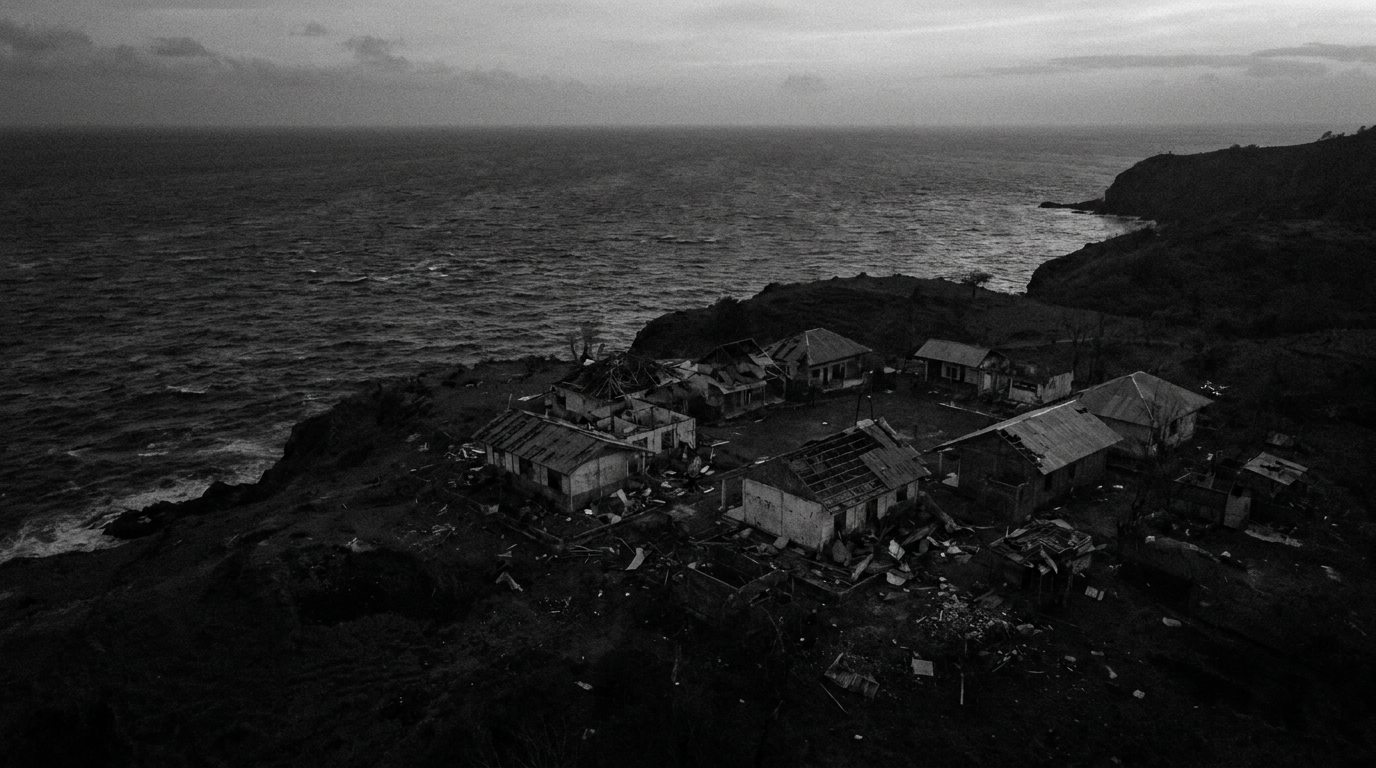
Indonesia earthquake killed at least 38 people near Flores on Saturday, damaging homes and forcing 2,000 residents to evacuate.
The magnitude 7.7 quake struck at about 6 a.m. local time, the US Geological Survey said in a preliminary estimate. The agency placed the epicenter roughly 68 kilometers, or 42 miles, north-northwest of Ende, a town on Flores island.
Indonesia’s National Disaster Mitigation Agency said the quake was felt across Nagekeo, Sikka and West Manggarai regencies for about one minute. The shaking reached as far as South Sulawesi, widening the area under emergency monitoring beyond the island closest to the epicenter.
Flores regencies report damage
Suharyanto, head of the National Disaster Mitigation Agency, said at least 13 people were injured in addition to the reported deaths. More than 70 homes sustained damage, from light to severe, and some public buildings were also affected, according to the agency.
The evacuation figure of 2,000 people gives local authorities an immediate shelter, food and medical logistics problem across several coastal communities. The damage count is likely to be revised as officials reach villages where road access and communications can slow initial assessments.
For Flores, the main pressure is now concentrated on local government capacity rather than national infrastructure alone. Homes that suffered lighter damage still require inspections before residents can return, while severely damaged buildings may keep families displaced for longer.
Aftershocks follow tsunami alert
The Indonesian Meteorology, Climatology and Geophysics Agency recorded at least 52 aftershocks after the main quake. The aftershocks ranged from magnitude 3.6 to 6.2, a spread that kept coastal residents and emergency teams on alert after the initial evacuation orders.
The same agency issued a tsunami warning for nearby coastal areas after the offshore quake and instructed some residents to move away from exposed zones. It later withdrew the warning after monitoring showed the immediate threat had passed.
The sequence matters for rescue work because aftershocks can delay inspections, complicate hospital transfers and add stress to buildings already weakened by the first quake. Emergency officials generally prioritize casualty searches, medical evacuation and shelter before completing detailed damage surveys.
Indonesia's fault lines shape risk
Indonesia sits along the Pacific Ring of Fire, where active faults and volcanoes make strong earthquakes a recurring hazard. That geography means national disaster agencies often have to manage tsunami alerts, landslide risks and building damage within the same response window.
The Flores quake follows another deadly event in Central Sulawesi in June, when a lower-magnitude earthquake killed one person, according to the reported toll. The comparison does not make Saturday’s event predictable, but it shows how repeated seismic shocks can strain preparedness across different island provinces.
If the aftershocks continue to weaken, the immediate macro effect is likely to remain local, centered on emergency spending, transport disruption and rebuilding costs rather than a national economic shock. For Flores communities, that path would shift attention from evacuation to housing inspections; for Indonesia’s wider construction and insurance sectors, it would reinforce demand for resilient building standards.
If a stronger aftershock damages already weakened structures, the mechanism changes. Emergency costs would rise, displaced residents could remain away from damaged areas for longer, and coastal tourism or transport operators in affected regencies would face a slower return to normal service.
The main open question is whether casualty and damage figures rise as officials complete checks in Nagekeo, Sikka and West Manggarai. The next official updates will determine whether the response remains a localized disaster operation or becomes a broader reconstruction effort for Flores and nearby coastal districts.